China Pours Billions into Banks and Insurers, But Markets React with Skepticism
Beijing has announced a significant capital injection totaling 360 billion yuan (approximately $53.6 billion) into a group of state-owned banks and insurance companies. The move, led by the Ministry of Finance and involving the country’s tobacco giant, marks the first time the government has extended recapitalization efforts to the insurance sector, signaling growing concerns about the financial system’s stability.
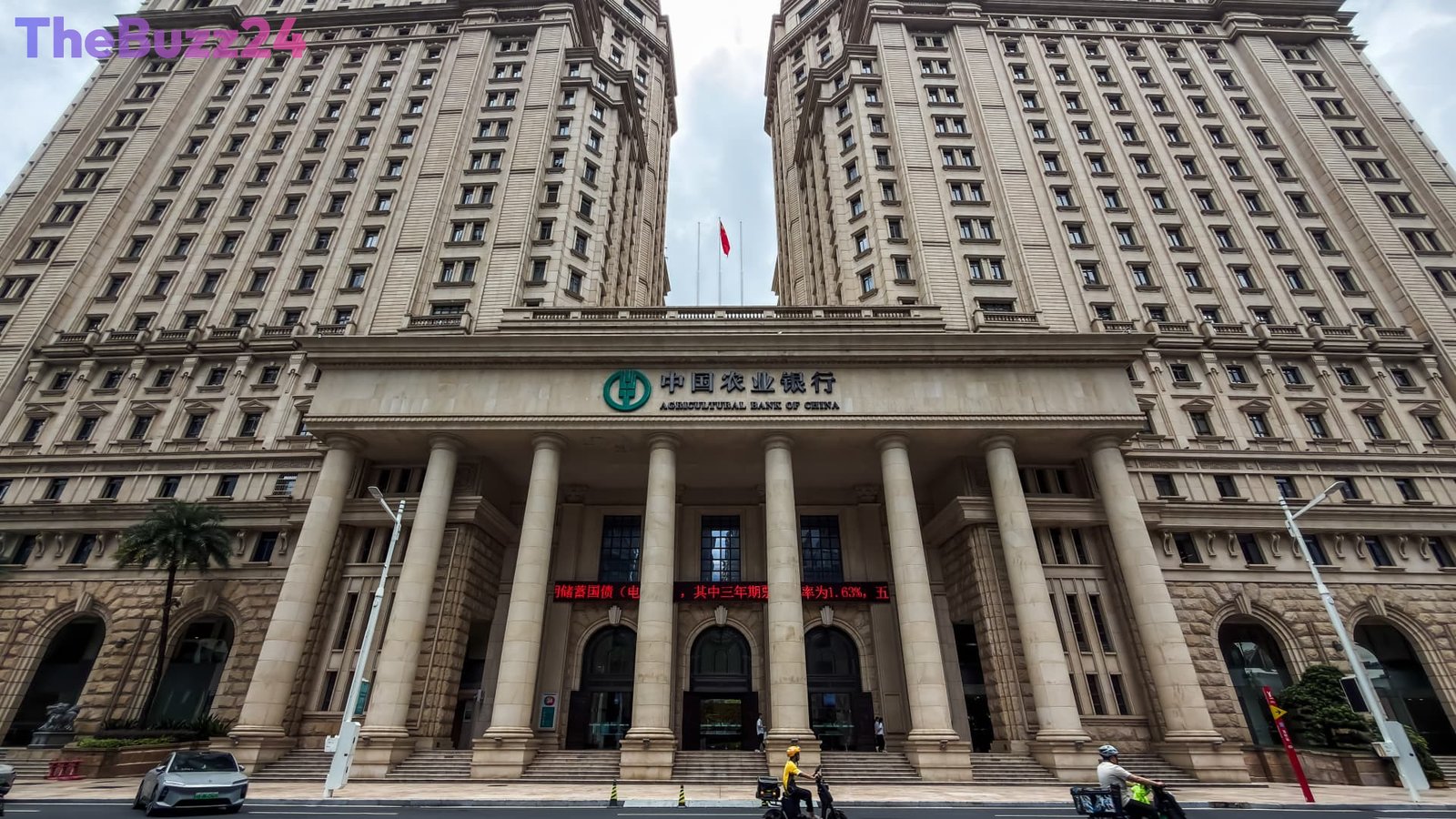
While the injection aims to bolster the financial institutions’ capital reserves and support economic growth, the scale of the recapitalization was reportedly smaller than market expectations. Analysts suggest this might indicate a more stable capital position for insurers than initially feared, reducing the immediate urgency for aggressive funding. Despite the substantial government backing, shares of several major banks and insurers listed in Hong Kong experienced declines on Monday, underperforming the broader market. Major lenders like Agricultural Bank of China and Industrial and Commercial Bank of China saw notable drops, as did prominent insurers such as China Taiping Insurance, People’s Insurance Company of China, and China Life Insurance.
This latest round of support follows previous capital injections into major state banks and a pledge to issue special treasury bonds to strengthen the banking sector. China’s financial institutions have been navigating a period of margin compression due to Beijing’s directive to maintain affordable credit for struggling borrowers. The net interest margins, a key indicator of bank profitability, have reached historic lows. The government’s strategy appears to be reinforcing the banking system’s capacity to finance future strategic investments, particularly in areas like artificial intelligence and advanced technologies, by strengthening its shock-absorbing capabilities.
The recapitalization is expected to enhance the lending capacity of large state-owned banks, enabling them to provide more targeted financial support to key economic sectors. Furthermore, it is anticipated to facilitate the resolution of non-performing loans, thereby mitigating potential future asset quality pressures. However, some economists caution that the impact on the broader economy might be limited, as the primary constraint on lending appears to be weak credit demand rather than a shortage of capital within the banks themselves. The government’s focus remains on achieving its annual growth targets through incremental stimulus measures.
Key Takeaways
- China is injecting $53.6 billion into state-owned banks and insurers, including the insurance sector for the first time.
- Despite the capital injection, stock prices of several major financial institutions fell, indicating market skepticism.
- The move aims to strengthen the financial system to support economic growth and future strategic investments, though its immediate economic impact is debated.
Editor’s Analysis & Impact
This capital injection underscores Beijing’s commitment to stabilizing its financial sector amidst ongoing economic challenges. While the government’s proactive stance in bolstering banks and insurers is a positive signal, the market’s muted reaction suggests lingering concerns about underlying economic demand and the effectiveness of stimulus measures. The inclusion of insurers highlights a broadening of financial stress beyond traditional banking. The long-term success will depend on whether these injections translate into increased lending to productive sectors and if they can effectively counteract weak credit demand and margin compression. The focus on supporting AI and advanced technology indicates a strategic shift in capital allocation, aiming to drive future growth.
Frequently Asked Questions
Q: Why is China injecting capital into its banks and insurers?
A: China is injecting capital to strengthen the financial system, support economic growth, and ensure banks and insurers have sufficient reserves to withstand potential risks and finance strategic investments, particularly in technology.
Q: Why did the stocks of these financial institutions fall after the announcement?
A: The stock prices may have fallen due to the capital injection being smaller than anticipated by the market, concerns about the underlying economic demand for credit, and ongoing challenges like margin compression faced by banks.
Q: Is this the first time China has supported its insurance sector financially?
A: Yes, this is the first time Beijing has extended recapitalization efforts specifically to insurance companies, indicating a widening concern about stress within the broader financial system.
AI Disclosure: This article is based on verified data and official reports. Our Team and AI have cross-referenced every financial detail with primary sources to ensure total accuracy.
More from this Category