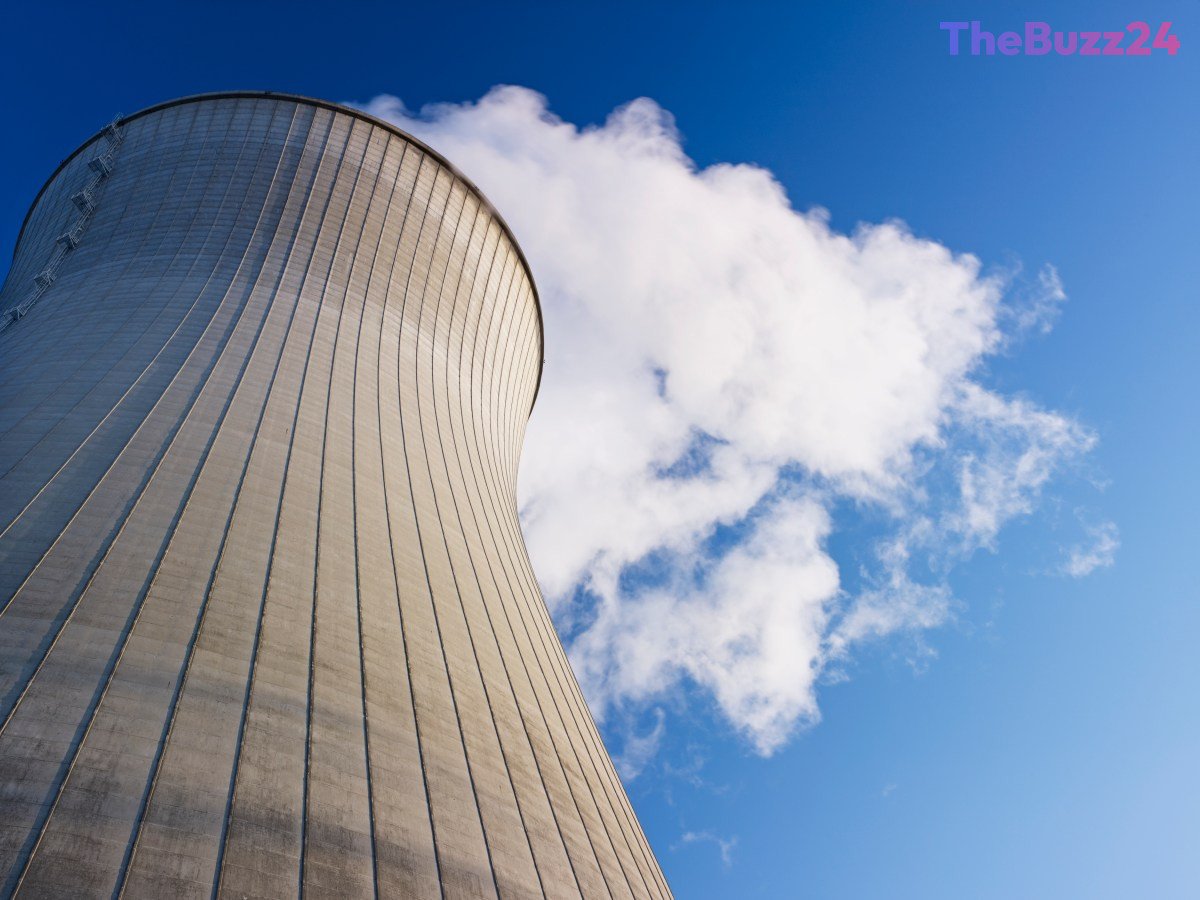
U.S. Government Backs Nuclear Revival to Fuel AI Data Center Expansion
The U.S. Department of Energy has finalized a $1.9 billion loan to NextEra Energy, aimed at refurbishing and restarting the Duane Arnold Energy Center in Iowa. The facility, which has been offline since 2020 following damage from a severe storm, is slated to resume operations by 2029. This move marks a significant shift in energy policy, as the government increasingly views dormant nuclear infrastructure as a vital solution to the surging electricity demands of the artificial intelligence sector.
Google has emerged as a primary beneficiary of this initiative, with plans to establish multiple data centers in the vicinity of the Iowa plant. While the facility will provide a portion of its output to local cooperatives, the bulk of the energy is intended to support the massive power requirements of modern computing infrastructure. The decision to revive the plant highlights a dramatic reversal in market conditions; just a few years ago, the facility was deemed economically unviable due to the prevalence of cheap natural gas.
This project is part of a broader trend of tech giants securing long-term, carbon-free energy sources. Similar efforts are underway across the country, including the restart of reactors at Three Mile Island and the Clinton Clean Energy Center in Illinois, which are being supported by companies like Microsoft and Meta. As data center electricity consumption is projected to nearly triple by 2035, the industry is increasingly turning to these ‘mothballed’ nuclear sites as the most efficient way to secure reliable, firm power for their growing operations.
Key Takeaways
- The U.S. Department of Energy is providing a $1.9 billion loan to restart the Duane Arnold nuclear plant in Iowa to support AI data center growth.
- Tech companies like Google, Microsoft, and Meta are increasingly securing power from shuttered nuclear facilities to meet massive electricity demands.
- Data center electricity demand is expected to nearly triple by 2035, forcing utilities to prioritize the rapid reactivation of existing nuclear infrastructure.
Editor’s Analysis & Impact
The federal government’s financial backing of nuclear plant restarts signals a strategic pivot in national energy policy, prioritizing the ‘firm’ power requirements of the AI revolution over traditional market-driven energy transitions. By subsidizing the refurbishment of older reactors, the U.S. is effectively creating a bridge between legacy infrastructure and the high-density energy needs of modern tech giants. This trend suggests that nuclear energy will remain a cornerstone of the tech industry’s sustainability goals, as wind and solar often lack the consistent, 24/7 baseload capacity required by massive data centers. However, this reliance on a limited number of shuttered plants raises questions about long-term scalability. As the ‘lowest hanging fruit’ of dormant reactors is exhausted, the industry will eventually face the high costs and regulatory hurdles of building new nuclear capacity or developing alternative grid-scale storage solutions.
Frequently Asked Questions
Q: Why are tech companies interested in restarting old nuclear power plants?
A: Tech companies need massive amounts of reliable, carbon-free electricity to power AI data centers. Shuttered nuclear plants offer a faster path to securing this 'firm' power compared to building new energy infrastructure from scratch.
Q: What is the significance of the $1.9 billion loan for the Duane Arnold Energy Center?
A: The loan provides the necessary capital to refurbish a plant that was previously deemed economically unviable, allowing it to return to service by 2029 to support the growing energy needs of Google's nearby data center projects.
AI Disclosure: This article is based on verified data and official reports. Our Team and AI have cross-referenced every financial detail with primary sources to ensure total accuracy.
More from this Category