Colombia Shifts Gun Policy: President De la Espriella Lifts Decade-Long Carry Restriction
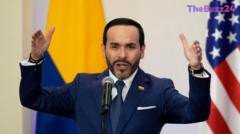
Colombian President Abelardo de la Espriella has officially signed a decree easing public carry restrictions for legal firearm owners, marking a significant shift in the nation’s security policy. The move effectively terminates a decade-long suspension that required permit holders to obtain additional, specific authorization to carry their weapons outside of their homes. This policy, originally introduced as a temporary measure in 2015 by then-President Juan Manuel Santos, had been repeatedly extended by successive administrations regardless of their political leanings.
President de la Espriella framed the decision as a fulfillment of his campaign commitment to empower citizens against rising criminal activity. Arguing that it is unjust for law-abiding citizens to remain defenseless while criminals operate with impunity, the president emphasized that the decree does not signal a total deregulation of firearms. He maintained that existing, rigorous vetting processes for gun ownership will remain strictly enforced, ensuring that only those with valid, up-to-date permits are granted the right to carry in public.
The policy change impacts approximately 700,000 individuals currently holding legal firearm permits in Colombia. While the administration asserts that this will bolster personal security, the decision has faced pushback from opposition figures. Senator Ariel Ávila of the Green Alliance Party characterized the move as a dangerous error, expressing concerns that an increase in public firearms could lead to more weapons falling into the hands of criminal elements. In response, the government highlighted its ongoing efforts to combat illegal arms, noting that security forces have already seized over 15,000 illicit weapons this year, primarily from rebel factions and organized criminal gangs.
Key Takeaways
- President de la Espriella has ended a 10-year suspension on the public carry of legally permitted firearms in Colombia.
- The policy change affects roughly 700,000 citizens who already possess valid gun permits.
- Critics, including Senator Ariel Ávila, warn that the move could inadvertently increase the number of weapons available to criminal groups.
Editor’s Analysis & Impact
The decision to ease gun carry restrictions in Colombia represents a polarizing pivot toward a more individualistic approach to public safety. By prioritizing the right to self-defense, the administration is signaling a departure from the state-centric security models favored by previous governments. Economically and socially, this shift could influence the private security sector and alter the landscape of public safety perceptions. However, the long-term impact remains uncertain; while proponents argue it acts as a deterrent to crime, the risk of increased gun violence and the potential for legal weapons to be diverted into the black market present significant challenges. The administration’s ability to maintain strict oversight of permit holders will be the critical factor in determining whether this policy enhances national stability or exacerbates existing security vulnerabilities.
Frequently Asked Questions
Q: Who is affected by the new decree in Colombia?
A: The decree affects approximately 700,000 people who currently hold legal permits to own and carry firearms in Colombia.
Q: Was the restriction on carrying guns in public always meant to be permanent?
A: No, the restriction was originally introduced in 2015 as a temporary measure to improve security during the holiday season, though it was subsequently extended annually for ten years.
AI Disclosure: This article is based on verified data and official reports. Our Team and AI have cross-referenced every financial detail with primary sources to ensure total accuracy.
More from this Category