Former Meta AI Director Unveils Ndoc to Challenge Microsoft Office and Google Workspace
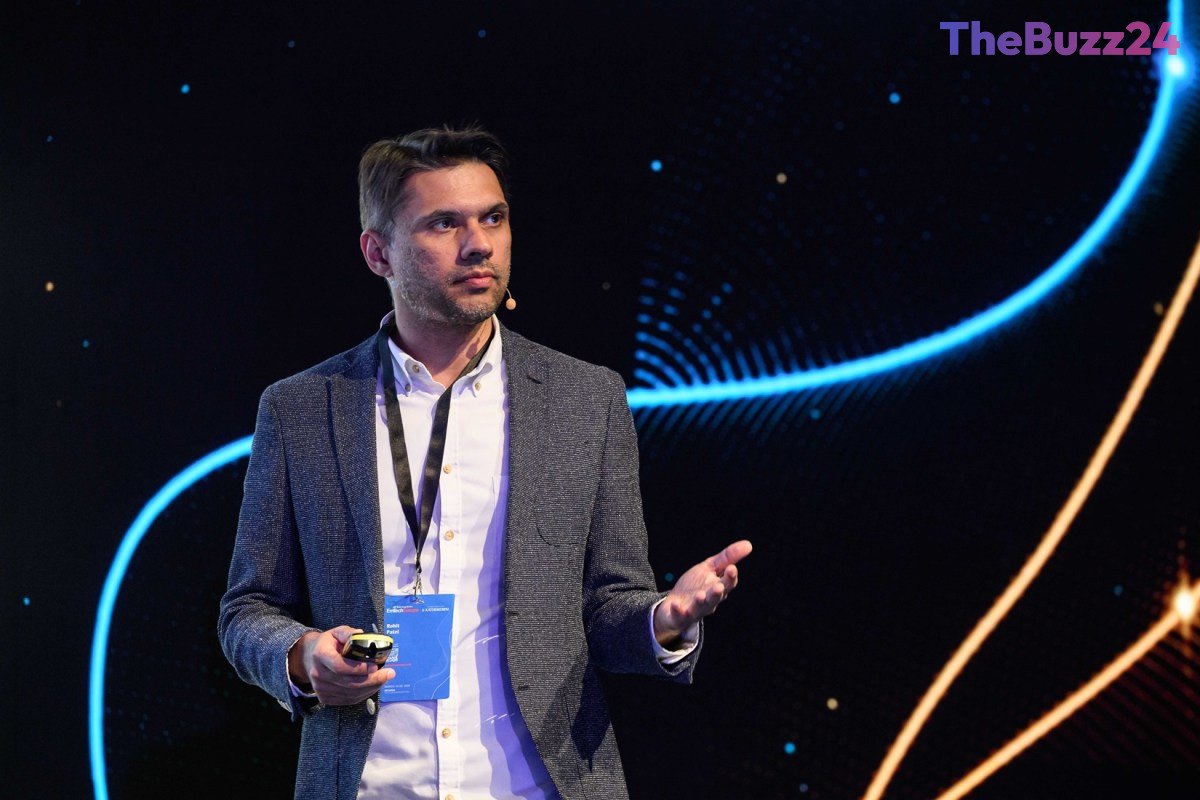
After an eight-year tenure developing artificial intelligence systems at Meta, former Meta Superintelligence Labs director Rohit Patel has departed the social media giant to launch Ndoc. The new startup is positioned as an AI-native workspace designed to replace legacy productivity platforms like Microsoft Office and Google Workspace, marking the latest high-profile departure from Meta’s artificial intelligence divisions.
Rather than appending AI assistants onto existing software suites, Ndoc reimagines enterprise productivity by consolidating tools like spreadsheets, slide decks, and code execution into a single unified layout. The platform organizes work into three main components: a Stage tab for presentations and interactive dashboards, a Narrative tab for detailed analyses and citations, and a Model tab housing raw datasets and Python scripts. This structural layout emphasizes transparency, enabling users to easily audit and verify the underlying formulas and code that generate reports and documents.
Built on a customized combination of open-source AI models, Ndoc is designed to be significantly more cost-efficient than platforms relying solely on large frontier models. To break reliance on proprietary ecosystems, Patel plans to open-source the platform’s primary document format, allowing files to run seamlessly in standard web browsers. Despite operating as a lean, bootstrapped company, Ndoc aims to redefine how enterprise teams collaborate without locking them into rigid software ecosystems.
Patel’s initiative enters a highly competitive enterprise sector where major AI labs, including OpenAI, Anthropic, and Google, are aggressively embedding AI tools directly into existing productivity workflows. However, Ndoc aims to win over users by offering a complete overhaul of the digital document rather than merely automating individual tasks in traditional software. Ndoc is currently conducting early enterprise pilots and alpha testing, with plans for a broader beta release ahead of a full public launch next year.
Key Takeaways
- Rohit Patel, former director at Meta Superintelligence Labs, has launched Ndoc, an AI-native enterprise productivity suite.
- Ndoc unifies data modeling, narratives, and presentations into a transparent layout that exposes the underlying code and formulas.
- The startup is operating an enterprise alpha pilot and intends to open-source its custom document format to prevent platform lock-in.
Editor’s Analysis & Impact
Rohit Patel’s exit from Meta to found Ndoc highlights an accelerating trend of top technical talent departing big tech to reimagine legacy software categories. While dominant incumbents like Microsoft and Google have focused on integrating generative AI assistants into legacy tools like Word and Excel, Ndoc challenges the premise that traditional document formats are suitable for modern AI workflows. By giving users full visibility into underlying datasets and Python scripts, Ndoc directly addresses growing enterprise demands for AI transparency and auditability. However, unseating entrenched productivity standards faces massive distribution and habit-loop hurdles. The success of Ndoc will largely depend on whether its superior workflow integration can convince conservative enterprise buyers to transition away from deeply established software ecosystems.
Frequently Asked Questions
Q: What is Ndoc and how does it work?
A: Ndoc is an AI-native workspace that integrates presentations, written analysis, and underlying data scripts into a single platform, offering a unified replacement for traditional spreadsheets, documents, and slide software.
Q: Who is behind the development of Ndoc?
A: Ndoc was founded by Rohit Patel, who previously served for eight years as a director at Meta, focusing on reinforcement learning and AI evaluation systems.
Q: When will Ndoc be widely available?
A: Ndoc is currently running limited enterprise pilots and opening an alpha waitlist, with plans to launch a beta version soon followed by a full release next year.
AI Disclosure: This article is based on verified data and official reports. Our Team and AI have cross-referenced every financial detail with primary sources to ensure total accuracy.
More from this Category