Artemis II Astronauts Glover and Wiseman Transition to Emeritus Roles at NASA
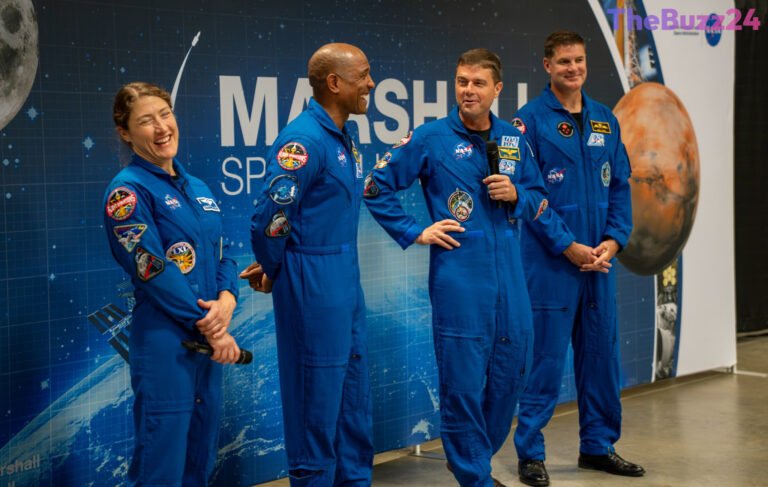
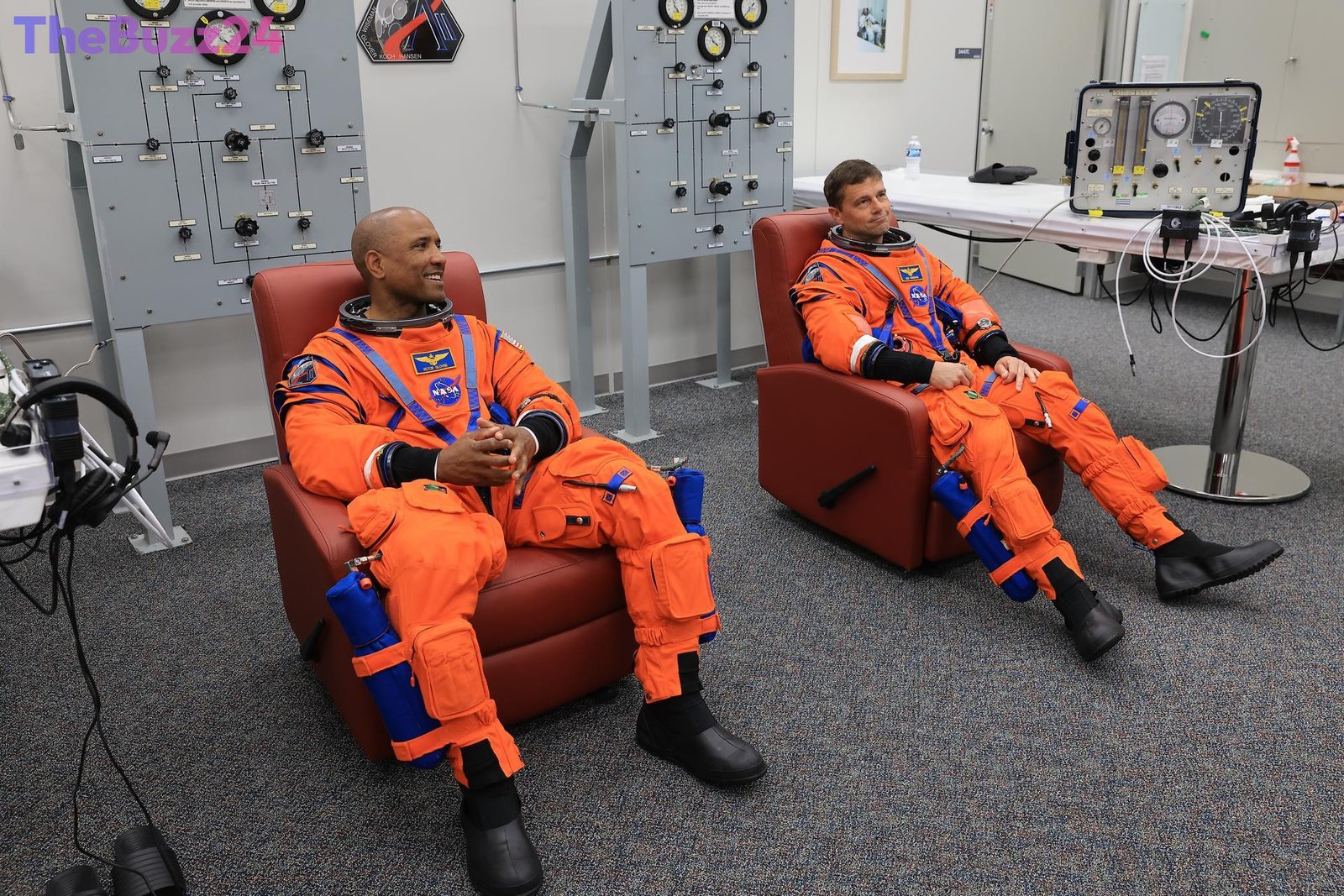
Following their historic participation in the Artemis II mission, NASA astronauts Victor Glover and Reid Wiseman are set to assume emeritus roles at the agency’s Johnson Space Center in Houston starting in September. This transition allows these seasoned professionals to continue contributing their extensive expertise to NASA’s future endeavors.
In their new capacity, Glover and Wiseman will dedicate their time to training and mentoring the current NASA workforce, leveraging their deep technical and professional knowledge. This arrangement ensures that the agency retains access to invaluable talent while providing the astronauts with the flexibility to explore other avenues. NASA Administrator Jared Isaacman lauded their leadership and commitment, noting their pivotal roles in returning humans to lunar orbit.
Glover, a former Crew-1 astronaut and naval aviator, will focus on aerospace, leadership, and public service initiatives, sharing his insights on Orion spacecraft systems. Wiseman, who previously spent 165 days on the International Space Station and commanded Artemis II, will impart his spaceflight experience to colleagues, particularly in preparation for the upcoming Artemis III mission, which aims to test rendezvous and docking capabilities with commercial landers.
Both astronauts expressed enthusiasm for their continued involvement with NASA. Glover stated his excitement to “keep uplifting my friends and cheering them on as they reach for the Moon,” while Wiseman emphasized his thrill to “continue serving future missions and programs through the emeritus program.” Their decision to remain connected to the agency underscores their dedication to the advancement of human spaceflight and the success of the Artemis program.
Key Takeaways
- Artemis II astronauts Victor Glover and Reid Wiseman are moving to emeritus roles at NASA.
- The emeritus status allows them to mentor current NASA staff and transfer critical knowledge.
- Their expertise will be vital for upcoming missions, including Artemis III and beyond.
Editor’s Analysis & Impact
The transition of Artemis II astronauts Victor Glover and Reid Wiseman to emeritus roles highlights a strategic approach by NASA to retain institutional knowledge and experienced personnel. This model, allowing seasoned astronauts to mentor and consult, is crucial as NASA gears up for complex lunar missions like Artemis III and IV. It not only ensures the continuity of expertise in critical areas such as spacecraft systems and mission operations but also provides a flexible pathway for astronauts to continue contributing to space exploration. This approach could become a standard for managing astronaut talent in long-term, ambitious space programs, balancing operational needs with individual career development.
Frequently Asked Questions
Q: What is NASA's emeritus program?
A: The emeritus program allows individuals with significant technical and professional expertise to support NASA by donating their time to train and mentor the current workforce, acting in a specialized consultant role.
Q: What was the significance of the Artemis II mission?
A: The Artemis II mission was the first crewed mission to travel to lunar orbit in over 50 years, with astronauts flying farther into space than any humans before. It served as a critical test flight for the Orion spacecraft and NASA's Space Launch System rocket.
Q: What is the goal of the Artemis III mission?
A: The Artemis III mission aims to land American astronauts back on the lunar surface, marking a significant step in NASA's return to the Moon and its long-term exploration goals.
AI Disclosure: This article is based on verified data and official reports. Our Team and AI have cross-referenced every financial detail with primary sources to ensure total accuracy.
More from this Category