Iran Rejects U.S. Pressure as India Pushes for Diplomatic Resolution in Middle East
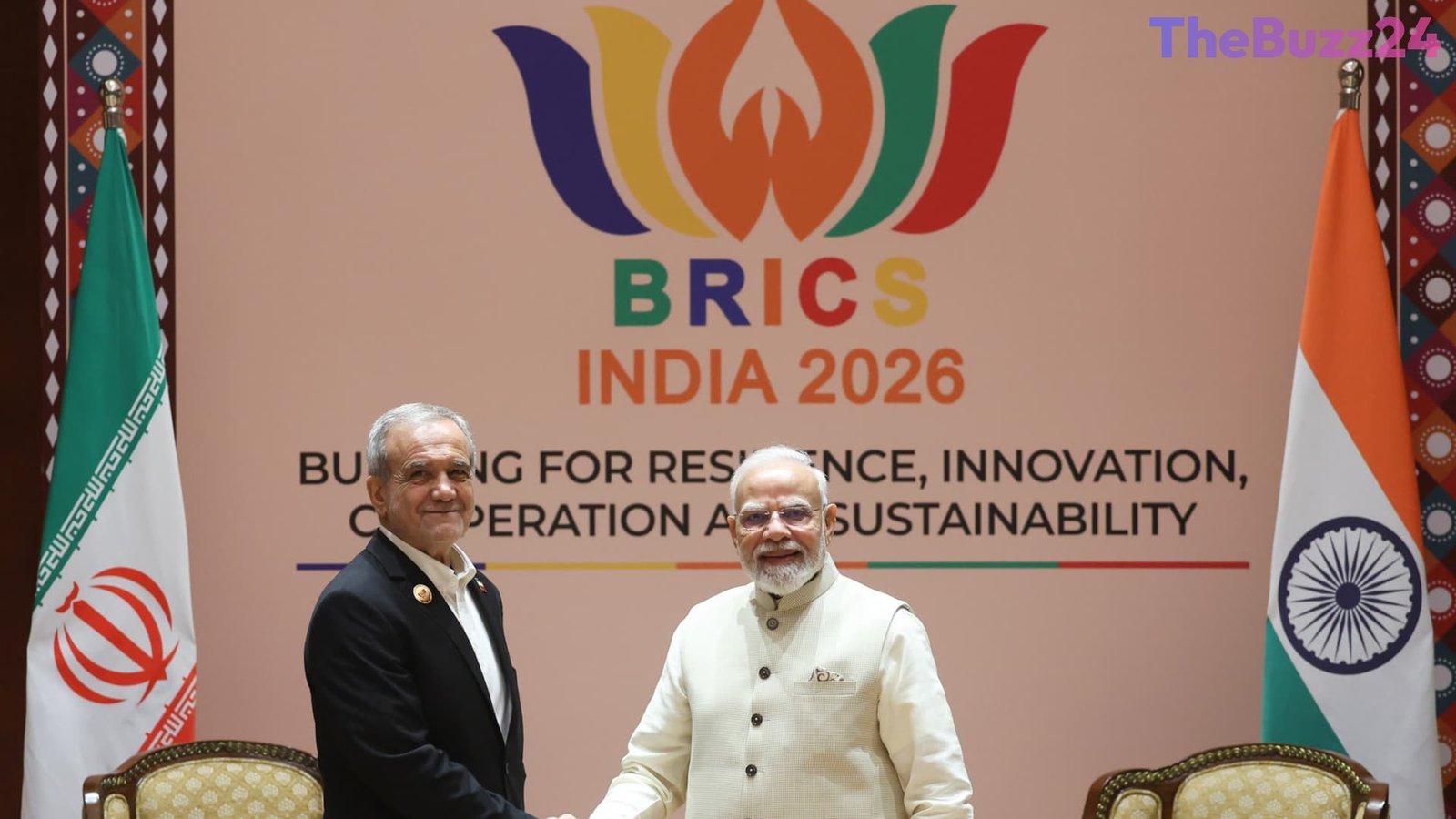
Iranian President Masoud Pezeshkian, during his inaugural visit to India for the BRICS Summit, declared that Tehran remains steadfast in its refusal to surrender to U.S. influence. Addressing a gathering of religious leaders in New Delhi, Pezeshkian characterized his nation’s stance as a pursuit of truth and justice, asserting that Iran would not yield to what he described as bullying tactics from the United States and Israel. This rhetoric follows recent comments from former U.S. President Donald Trump, who defended past military actions against Iran as necessary measures to prevent broader regional conflict.
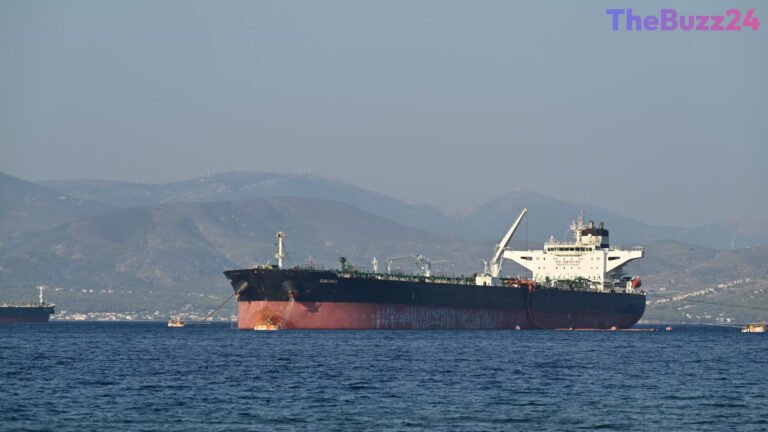
On the sidelines of the summit, Indian Prime Minister Narendra Modi held bilateral discussions with Pezeshkian, emphasizing the urgent need for peace and the resolution of the ongoing Middle East conflict through dialogue. Modi expressed significant concern regarding the safety of international seafarers and the freedom of navigation, particularly as the conflict has severely disrupted shipping lanes through the Strait of Hormuz. These disruptions have caused a sharp rise in global crude oil prices, placing immense pressure on India, which imports approximately 85% of its fuel requirements.
The human and economic toll of the conflict was a central theme during the summit. India has reported the loss of 10 seafarers in attacks within the Strait of Hormuz, highlighting the vulnerability of global supply chains. While BRICS member nations issued a unanimous declaration calling for the protection of civilians and infrastructure, the geopolitical landscape remains tense. Despite the diplomatic friction, Modi and Pezeshkian projected a message of historic cooperation, underscoring the complex balance between maintaining bilateral ties and navigating the volatile regional security environment.
Key Takeaways
- Iranian President Masoud Pezeshkian reaffirmed his country's refusal to yield to U.S. pressure during his visit to India.
- Indian Prime Minister Narendra Modi advocated for diplomatic solutions to the Middle East conflict, citing the severe impact on global energy supplies and maritime safety.
- The ongoing conflict has caused significant disruptions in the Strait of Hormuz, threatening India's energy security and resulting in the loss of civilian lives.
Editor’s Analysis & Impact
The diplomatic engagement between Iran and India at the BRICS Summit highlights the precarious position of emerging economies caught in the crossfire of Middle Eastern geopolitical instability. For India, the conflict is not merely a foreign policy concern but a direct threat to its economic growth, given its heavy reliance on energy imports through the Strait of Hormuz. The tension between Iran’s defiant stance and the global call for de-escalation suggests a prolonged period of market volatility. Future implications include a potential shift in how Global South nations organize to protect their economic interests against Western-led sanctions and regional military conflicts. As energy prices remain sensitive to these disruptions, the ability of BRICS to foster a unified diplomatic front will be a critical indicator of the bloc’s evolving influence in international affairs.
Frequently Asked Questions
Q: Why is the Strait of Hormuz critical to India's economy?
A: The Strait of Hormuz is a vital maritime chokepoint for global oil shipments. Because India imports nearly 85% of its fuel, any disruption in this region directly impacts its energy security and domestic inflation.
Q: What was the primary goal of the BRICS Summit regarding the Middle East conflict?
A: The summit aimed to address the escalation of tensions in the Middle East, with member nations issuing a joint declaration calling for the protection of civilians and civilian infrastructure, while encouraging dialogue between the involved parties.
AI Disclosure: This article is based on verified data and official reports. Our Team and AI have cross-referenced every financial detail with primary sources to ensure total accuracy.
More from this Category