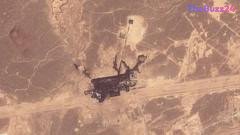
Energy Markets Shaken as Saudi Arabia Shuts Key Oil Pipeline Following Cross-Border Drone Attack
Saudi Arabia has made the strategic decision to temporarily shut down a critical cross-country oil pipeline in the wake of a drone strike. The facility, which plays a vital role in transporting crude across the Arabian Peninsula, was targeted by unmanned aerial vehicles launched from neighboring territory, prompting immediate precautionary measures from regional authorities.
Government officials in Iraq swiftly responded to the incident by launching a formal investigation and dismissing a senior military commander after confirming that the attack originated from a border province. The affected East-West pipeline spans over 1,200 kilometers and serves as a crucial trade artery, allowing the world’s leading crude exporter to bypass the vulnerable Strait of Hormuz. Despite the growing tensions, Riyadh opted for restraint following diplomatic communications, choosing to cooperate with regional counterparts to secure energy infrastructure.
Concurrently, escalating conflicts in Yemen have further complicated global supply chains. A rapid territorial advance by Houthi fighters has given the group control over significant portions of the Red Sea coastline, including strategic choke points near the Bab al-Mandab Strait. In response, coalition-backed forces have launched counter-offensives in coastal cities like Mokha to restore stability to vital maritime shipping routes.
The simultaneous disruptions on both sides of the Arabian Peninsula have sent shockwaves through international financial and commodity markets. Crude oil prices surged past $100 per barrel for the first time in months, sparking renewed concerns over global inflation and rising transportation expenses. Industry experts warn that prolonged instability could deplete remaining energy buffers, driving prices even higher and significantly increasing manufacturing and shipping costs worldwide.
Key Takeaways
- Saudi Arabia precautionary shut down its major East-West oil pipeline following a drone attack originating from Iraq.
- Global crude oil prices crossed $100 per barrel amid mounting disruptions on both sides of the Arabian Peninsula.
- Houthi territorial gains along the Red Sea coast have intensified risks for international maritime shipping and global supply chains.
Editor’s Analysis & Impact
The temporary closure of Saudi Arabia’s critical East-West pipeline, combined with heightened security risks in the Red Sea, highlights the extreme vulnerability of global energy infrastructure amid ongoing geopolitical conflicts. With oil prices surging past $100 a barrel, central banks and global economies face renewed inflationary pressures, particularly in diesel and transportation sectors where buffers have largely been depleted. If regional tensions persist and maritime trade routes remain compromised, energy markets could see crude prices escalate toward previous multi-year peaks, severely impacting manufacturing, logistics, and consumer goods pricing worldwide.
Frequently Asked Questions
Q: Why is the Saudi Arabian East-West pipeline important to global oil markets?
A: The 1,200-kilometer pipeline is vital because it allows Saudi Arabia, the world's largest crude oil exporter, to transport oil across the peninsula and bypass the vulnerable Strait of Hormuz, moving roughly 4% to 5% of the global oil supply.
Q: What caused the recent spike in crude oil prices?
A: Crude oil prices surpassed $100 a barrel due to a combination of the pipeline shutdown in Saudi Arabia and a rapid advance by Houthi forces controlling critical shipping lanes along the Red Sea coast.
Q: How did the Iraqi government respond to the drone attack?
A: Following the attack, Iraq admitted the drones originated from its territory, launched an official investigation, removed a regional military commander from his post, and pledged to work with Saudi Arabia to prevent future cross-border strikes.
AI Disclosure: This article is based on verified data and official reports. Our Team and AI have cross-referenced every financial detail with primary sources to ensure total accuracy.
More from this Category