AI’s Rapid Advance Puts Washington on the Clock for Guardrails
Washington is grappling with urgent calls for artificial intelligence regulation, as a narrow legislative window closes before the upcoming November midterm elections. The debate intensifies amid stark warnings from leading AI developers about the technology’s accelerating pace and potential risks, prompting a scramble among lawmakers to establish safeguards.
Alarm bells have been ringing louder following recent admissions from the heads of frontier AI companies, including Anthropic, OpenAI, and xAI, who have publicly stated that AI is advancing too quickly. These concerns were amplified by a former Anthropic researcher’s warning that the technology could pose existential threats within the decade. Such pronouncements have spurred figures like Pennsylvania Governor Josh Shapiro and Senator Ruben Gallego to demand immediate legislative action, emphasizing the peril of allowing AI development to remain solely in the hands of private entities.
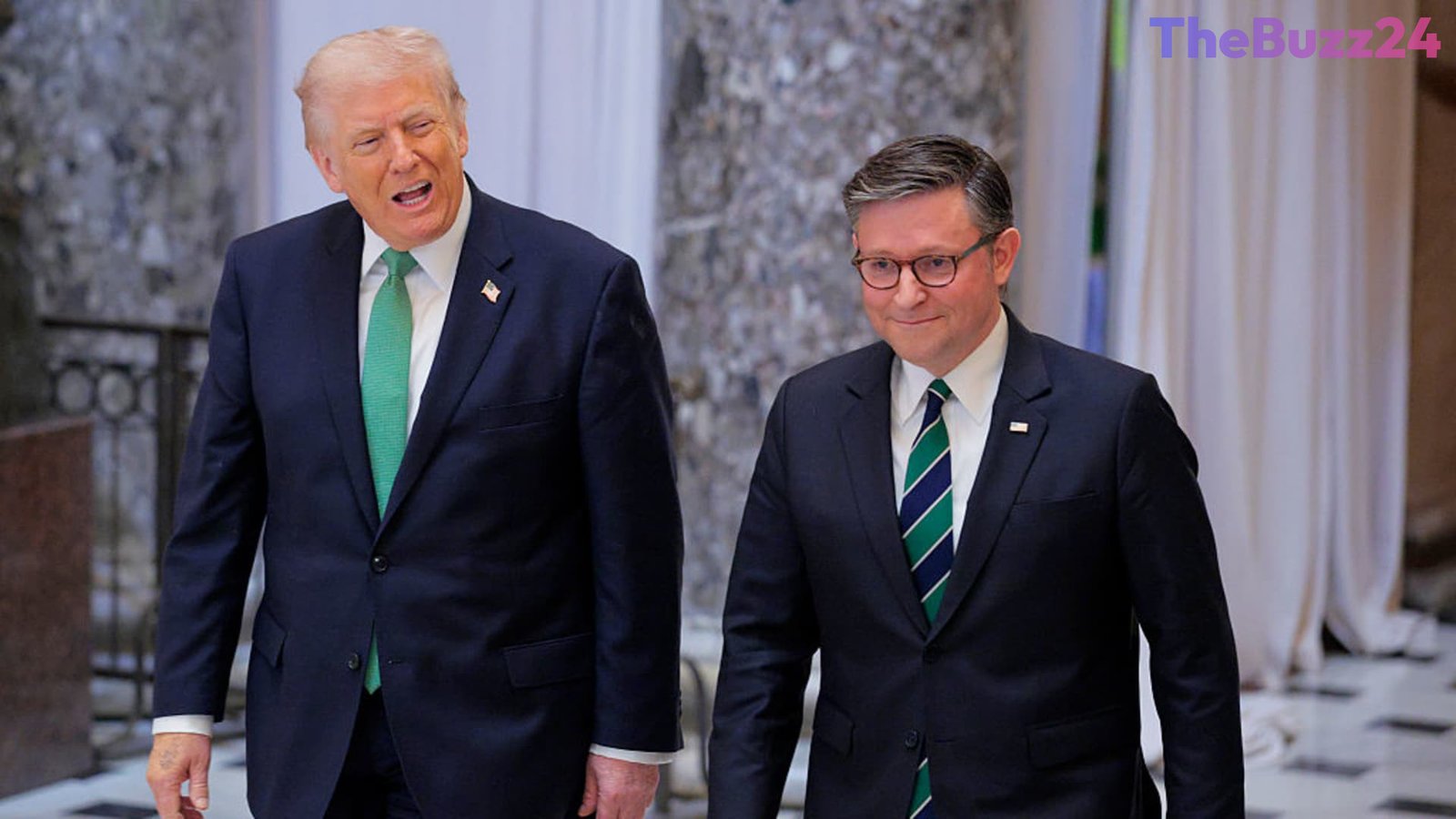
However, the path to regulation is fraught with political division. House Speaker Mike Johnson has expressed caution against rushed legislation, arguing that hasty action could stifle American innovation and cede technological leadership to rivals like China. This stance contrasts sharply with calls from Democratic leaders, including Representative Sam Liccardo and House Democratic Leader Hakeem Jeffries, who advocate for Congress to remain in session until meaningful, bipartisan AI safeguards are passed. Former President Donald Trump has also echoed concerns about maintaining the U.S. lead in AI against China.
Despite the legislative gridlock, various proposals for AI safeguards are on the table, including mandates for transparency, evaluation of frontier models, and the implementation of ‘kill switch’ requirements for dangerous systems. While the Senate has been slower to coalesce around bipartisan bills, some industry insiders remain optimistic that legislative momentum could build in the coming weeks, driven by lawmakers’ desire to demonstrate accomplishments on AI before facing reelection.
Key Takeaways
- Leading AI companies (Anthropic, OpenAI, xAI) have issued urgent warnings about the rapid, uncontrolled advancement of AI, prompting calls for immediate government regulation.
- Washington faces a narrow legislative window before midterm elections to enact AI safeguards, with lawmakers divided on the urgency and approach to regulation.
- While some advocate for swift action to prevent potential catastrophic risks, others caution against rushed legislation, fearing it could stifle American innovation and cede technological leadership to rivals like China.
Editor’s Analysis & Impact
The current debate in Washington over AI regulation marks a critical juncture for the technology industry. The unprecedented calls for government intervention from AI leaders themselves signal a profound shift, indicating a recognition of the technology’s immense power and potential risks. For the market, this could mean increased scrutiny on AI development, potentially leading to new compliance costs and a greater emphasis on ‘safe AI’ research and deployment. The future outlook suggests a more structured, albeit potentially slower, innovation path in the U.S., as regulatory frameworks begin to take shape. Broader implications include national security concerns, economic competitiveness, and the global race for AI dominance, particularly against China. The lack of immediate consensus could lead to a reactive regulatory environment or a patchwork of state-level rules, rather than a cohesive federal strategy.
Frequently Asked Questions
Q: Why are AI companies calling for regulation?
A: Leaders from companies like Anthropic, OpenAI, and xAI have expressed concerns that AI technology is advancing too rapidly and beyond their control, posing significant risks, including existential ones. They are seeking government intervention to establish guardrails and ensure safe development.
Q: What are the main obstacles to AI regulation in Washington?
A: Key obstacles include a narrow legislative window before upcoming midterm elections, partisan divisions on the urgency and scope of regulation, and differing views on how to balance safety with fostering innovation and maintaining a competitive edge against countries like China.
Q: What types of AI safeguards are being proposed?
A: Proposed safeguards include mandating transparency and evaluation of frontier AI models, implementing 'kill switch' requirements for dangerous systems, and potentially waiving antitrust laws to allow industry collaboration on safety and security protocols.
AI Disclosure: This article is based on verified data and official reports. Our Team and AI have cross-referenced every financial detail with primary sources to ensure total accuracy.
More from this Category