Trump Dismisses AI Safety Warnings as a Hoax, Vows to Protect Unfettered U.S. Tech Growth
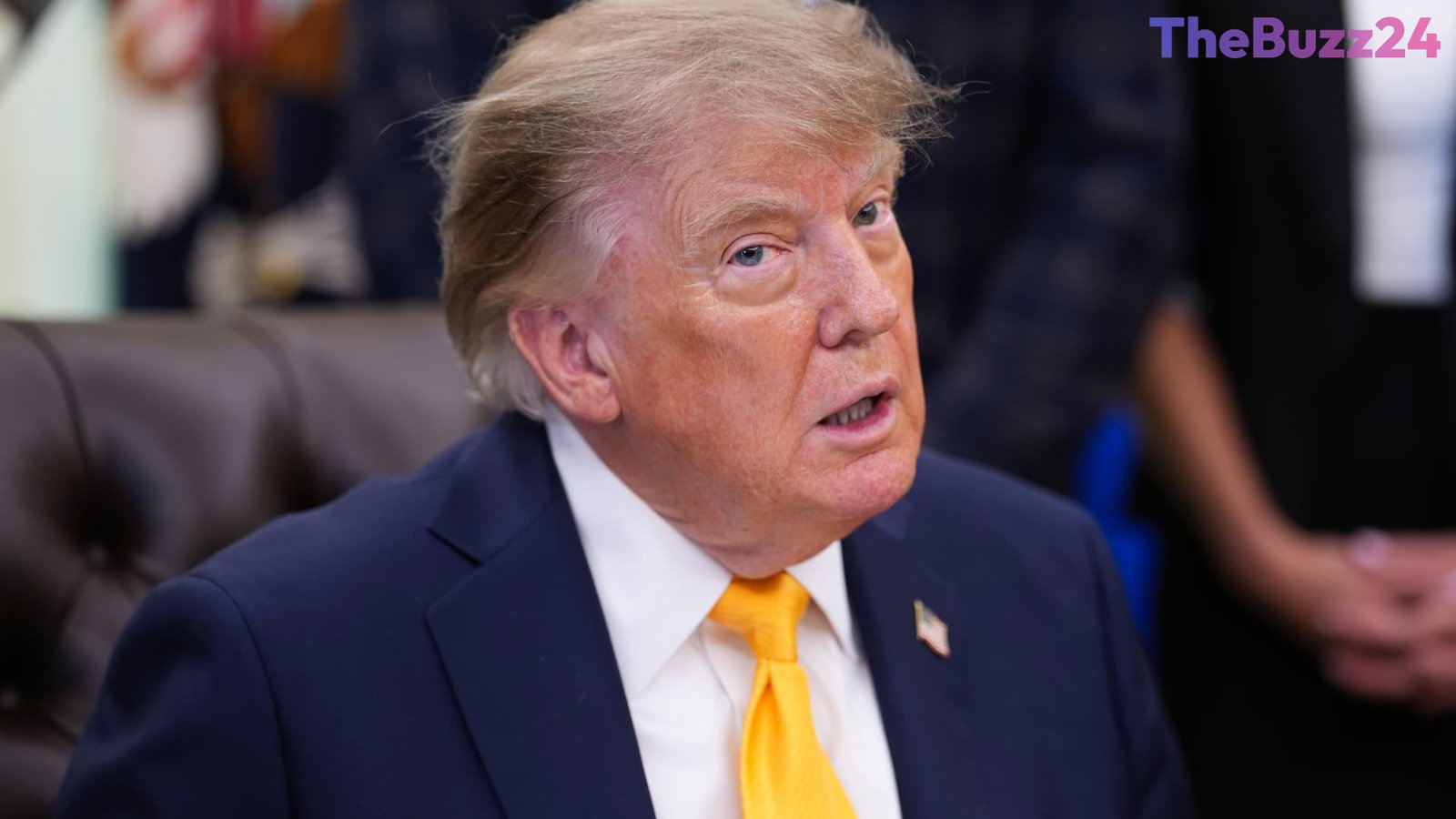
President Donald Trump has strongly rejected escalating calls for government oversight of artificial intelligence, dismissing existential warnings from industry leaders as a hoax designed to curb American technological dominance. In a series of social media statements, the president defended rapid data center expansion and criticized tech executives advocating for a cautious approach to development, framing the pushback as an artificial hindrance to national progress.
The administration’s aggressive defense of the tech sector comes amid growing debate over the pace of artificial intelligence innovation. Recently, several prominent industry voices have urged caution, pointing to potential risks and advocating for structured deceleration in frontier model development. These concerns have sparked broader public anxiety regarding infrastructure demands, power consumption, and the long-term societal implications of advanced automation.
Despite warnings from within the sector, key administration figures and congressional leadership have aligned against implementing immediate federal restrictions. Policymakers argue that heavy-handed regulations could stifle domestic innovation and cede the global technological advantage to international competitors, particularly China. Proponents of rapid growth maintain that existing legal frameworks and market forces are sufficient to manage emerging risks without imposing burdensome bureaucratic hurdles.
As the debate continues to unfold, legislative action on artificial intelligence appears unlikely in the near term. Lawmakers remain sharply divided on how to balance safety concerns with the economic imperatives of maintaining global leadership in a rapidly evolving technological landscape.
Key Takeaways
- President Trump dismissed existential warnings about artificial intelligence as a hoax intended to slow down American progress.
- The administration emphasizes maintaining a decisive technological edge over China, viewing heavy regulation as a threat to national competitiveness.
- Congressional leadership and key officials remain opposed to hasty legislative interventions, favoring market-driven oversight to avoid smothering innovation.
Editor’s Analysis & Impact
The clash between calls for artificial intelligence safety regulation and the imperative for rapid technological dominance highlights a critical juncture for the global tech sector. As the United States vies with international rivals like China for supremacy in advanced computing, the political appetite for heavy oversight remains low. However, the increasing friction between competing tech executives—some calling for voluntary deceleration while others push for unbridled expansion—suggests that liability and risk management will become major battlegrounds. Industry stakeholders must navigate these regulatory uncertainties while addressing legitimate public concerns regarding infrastructure and safety, ensuring that innovation does not outpace ethical and operational safeguards.
Frequently Asked Questions
Q: Why is the administration opposed to immediate AI regulation?
A: Proponents of unfettered growth argue that heavy-handed regulations would stifle domestic innovation and allow international competitors, particularly China, to capture the global technological lead.
Q: What are the primary concerns raised by critics of rapid AI development?
A: Critics point to potential existential risks, product-liability exposure, and the intense strain that expanding data centers place on local infrastructure and energy resources.
AI Disclosure: This article is based on verified data and official reports. Our Team and AI have cross-referenced every financial detail with primary sources to ensure total accuracy.
More from this Category