Inside the Fed’s Looming Rate Decision: Can Kevin Warsh Unite a Divided Committee?
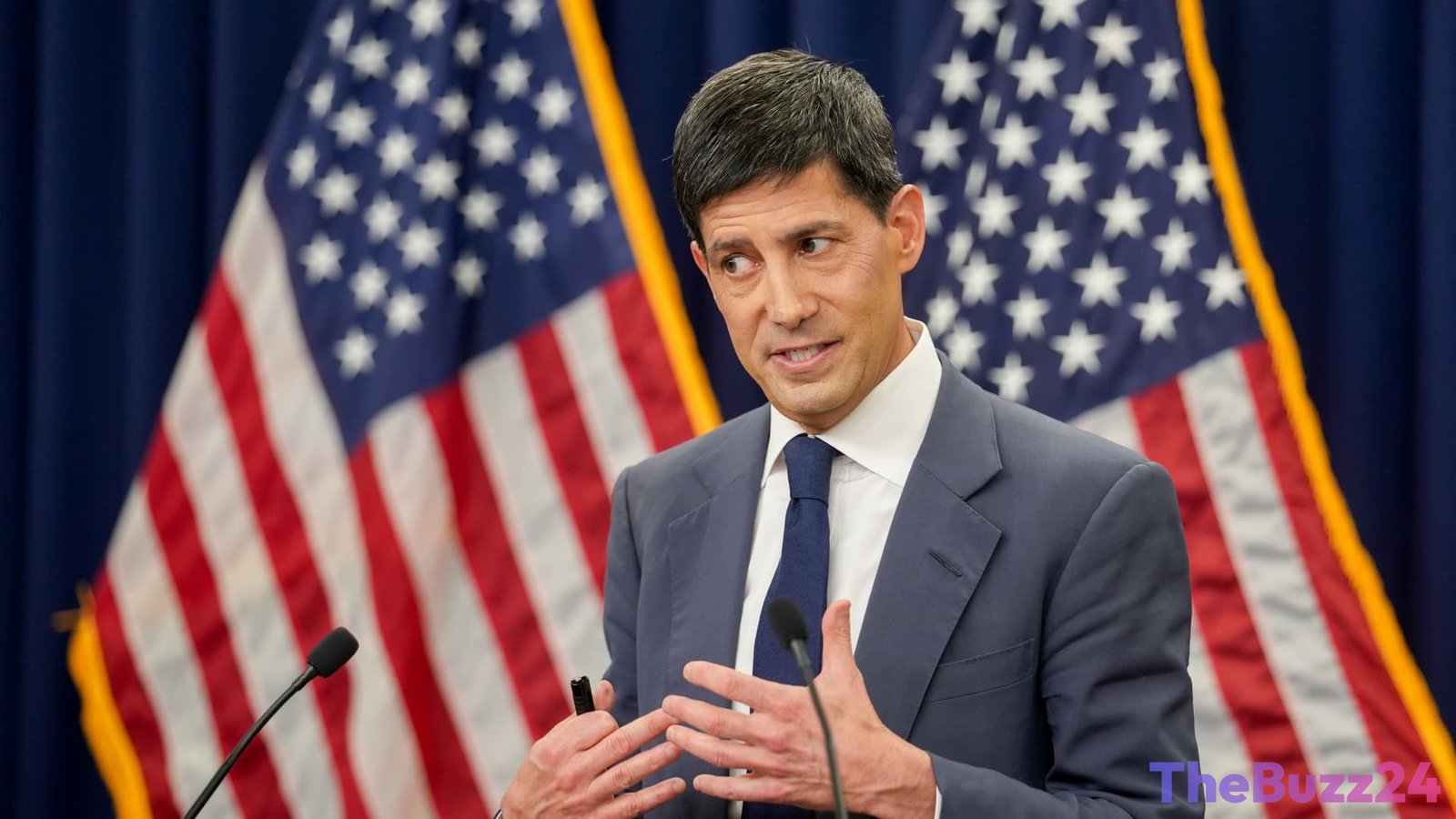
The Federal Reserve is preparing for a pivotal two-day policy meeting this week, where Chairman Kevin Warsh faces the challenging task of building consensus around a highly anticipated interest rate hike. With financial markets pricing in a near-certain quarter-percentage-point increase, the focus has shifted from the decision itself to the internal dynamics of the Federal Open Market Committee (FOMC). Following a 9-3 split to hold rates steady in July, this week’s vote will expose the depth of the ideological divide among policymakers regarding the trajectory of inflation.
The debate within the central bank centers on whether recent price pressures are transitory or becoming deeply entrenched. In July, regional Fed Presidents Lorie Logan, Beth Hammack, and Neel Kashkari dissented in favor of a rate hike. To secure a majority for a rate increase this week, at least four other committee members must shift their stance. While some influential figures, such as Governor Christopher Waller and New York Fed President John Williams, have previously advocated for a cautious, “wait-and-see” approach, rising fuel prices and stubborn August inflation data have intensified the pressure on the Fed to act.
Market expectations are heavily aligned with a rate hike, with futures pricing showing an overwhelming probability of a move this week and a strong likelihood of another increase in December. This market pricing puts Chairman Warsh in a delicate position. Failing to raise rates could damage the central bank’s credibility, signaling a lack of resolve. However, if a hike is approved, Warsh must carefully craft the subsequent policy message: whether this represents a single, isolated adjustment or the beginning of a broader tightening cycle.
Beyond the immediate rate decision, observers will closely analyze the Fed’s updated “dot plot” projections for clues on the long-term interest rate path through 2029. Some analysts suggest that even if committee members hold differing views on the necessity of a hike, they may ultimately coalesce behind Warsh to present a united front to the public. The final vote tally and Warsh’s post-meeting press conference will serve as critical indicators of his leadership and the central bank’s collective strategy to steer inflation back to its 2% target.
Key Takeaways
- The Federal Reserve is widely expected to implement a 25-basis-point interest rate hike at its upcoming policy meeting, raising the benchmark rate from its current 3.50%-3.75% range.
- Chairman Kevin Warsh faces a deeply divided FOMC, requiring at least four members to switch their votes from the July meeting's 'hold' stance to secure a majority for the hike.
- The decision and subsequent messaging will signal whether the Fed views current inflation pressures as temporary shocks or entrenched trends requiring a prolonged tightening cycle.
Editor’s Analysis & Impact
The upcoming Federal Reserve meeting represents a critical test of Chairman Kevin Warsh’s leadership and the central bank’s communication strategy. By pricing in a near-certain rate hike, financial markets have effectively boxed the Fed into a corner; a failure to act could severely disrupt market stability and undermine the central bank’s inflation-fighting credibility. However, the internal division within the FOMC highlights a broader macroeconomic dilemma. Raising rates in response to supply-side shocks, such as volatile energy prices and geopolitical tensions, risks dampening economic growth without directly addressing the root causes of inflation. Ultimately, the updated ‘dot plot’ and Warsh’s press conference will be vital for market participants seeking to gauge whether the Fed is embarking on a sustained tightening cycle or executing a temporary adjustment to anchor inflation expectations.
Frequently Asked Questions
Q: Why is the Federal Reserve expected to raise interest rates this week?
A: The expectation is driven by recent increases in fuel prices and August inflation data showing persistent price pressures, alongside previous signals from Fed officials that action would be necessary if inflation did not clearly trend toward the 2% target.
Q: What was the outcome of the Fed's previous meeting in July?
A: The FOMC voted 9-3 to hold interest rates steady, with three regional bank presidents dissenting in favor of a quarter-point rate hike.
Q: What is the 'dot plot' and why is it important?
A: The dot plot is a chart recording each FOMC member's projection for central bank interest rates. It is highly watched by investors to understand the future trajectory of monetary policy and how many rate hikes are anticipated in the coming years.
AI Disclosure: This article is based on verified data and official reports. Our Team and AI have cross-referenced every financial detail with primary sources to ensure total accuracy.
More from this Category