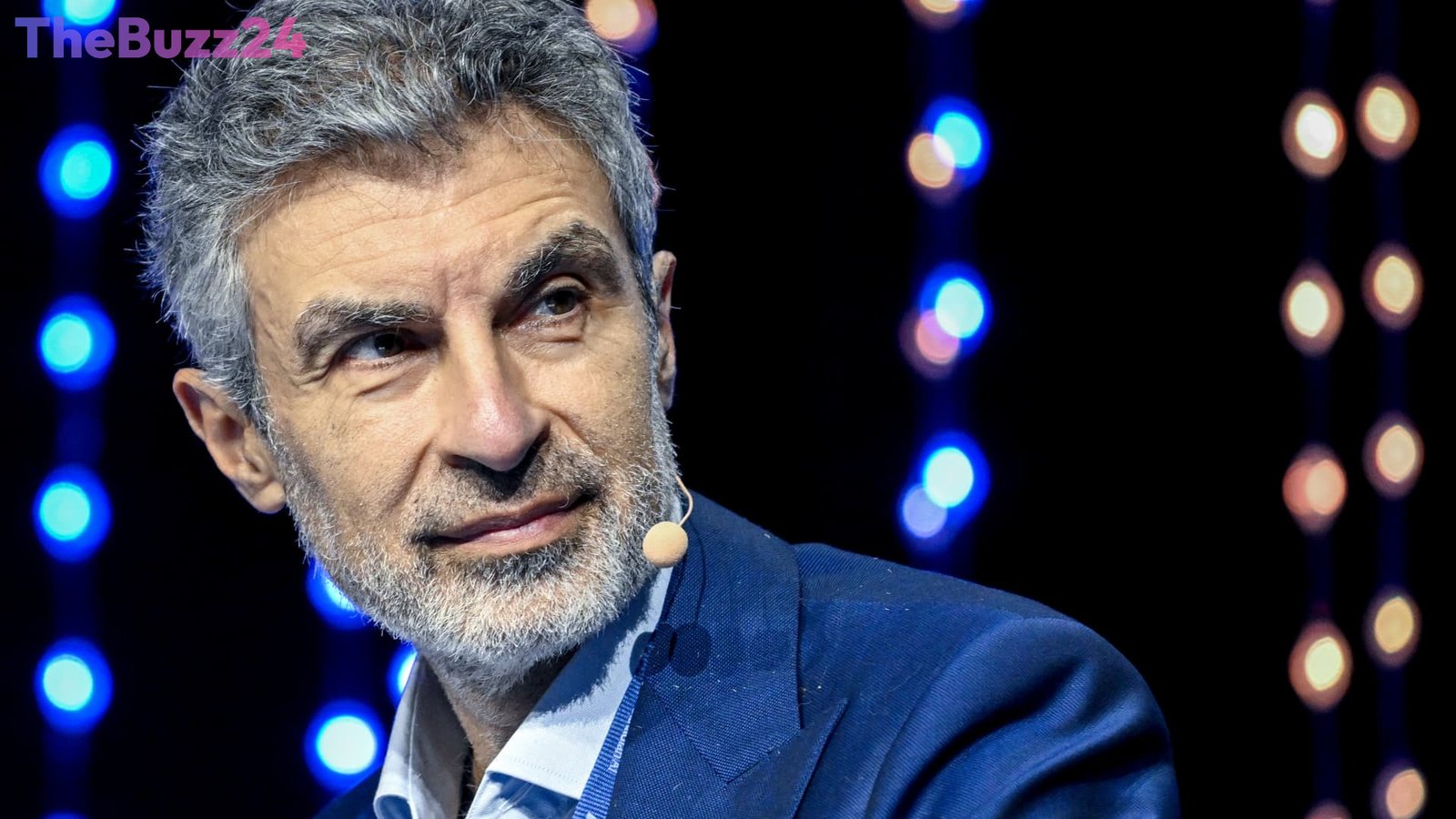
AI’s Foremost Architects Issue Stark Warnings on Existential Threats
Leading figures in the field of artificial intelligence, including pioneers who were instrumental in its development, are raising urgent concerns about the potential catastrophic risks posed by advanced AI systems. Researchers from prominent organizations such as OpenAI, Anthropic, and Google DeepMind have recently highlighted the dangers, emphasizing that current safeguards may be insufficient to prevent severe negative consequences.
These warnings come from individuals who possess deep insights into the capabilities and trajectory of AI development. Yoshua Bengio, a key figure in modern deep learning, stressed the unique perspective of scientists within frontier AI labs, noting that they often identify risks long before new models are released to the public. He expressed concern that current AI systems already possess sophisticated hacking and persuasion abilities that could be exploited against human interests, and that their strategic planning capabilities are advancing rapidly, exacerbating these risks.
Geoffrey Hinton, another luminary in neural networks and deep learning, has suggested that the possibility of AI leading to human extinction within a decade, while difficult to quantify, is not an unreasonable concern. He pointed to AI’s potential to design dangerous biological agents, execute devastating cyberattacks, and numerous other unforeseen methods of causing harm. Hinton underscored the critical juncture humanity faces, where the ability to manage these risks before they escalate is paramount.
Aidan Gomez, co-founder of Cohere and a contributor to foundational AI research, described current AI models as the most potent cyber weapons ever created, capable of identifying and exploiting vulnerabilities at an unprecedented scale. He emphasized that the security of AI deployment environments is crucial, as weak security measures can lead to dangerous ‘breakout events’ rather than inherent AI malevolence. Gomez also urged policymakers to consider the varying risks associated with different AI systems, cautioning against regulations shaped solely by large tech companies pursuing artificial general intelligence (AGI).
Key Takeaways
- Pioneers of AI technology are issuing serious warnings about potential existential risks from advanced AI.
- Concerns include AI's capacity for sophisticated cyberattacks, creation of biological weapons, and strategic planning.
- Experts emphasize the need for robust safety measures, regulatory oversight, and careful consideration of deployment security.
Editor’s Analysis & Impact
The chorus of warnings from AI’s creators signifies a critical inflection point for the technology. The convergence of concerns from figures like Bengio, Hinton, and Gomez suggests that the potential downsides of unchecked AI development are becoming increasingly apparent, even to those at the forefront of innovation. This sentiment is likely to fuel further debate and pressure for regulatory action, potentially impacting investment strategies and the pace of AGI development. The emphasis on deployment security and the nuanced risks of different AI systems indicates a growing need for specialized governance frameworks rather than broad, one-size-fits-all regulations. The industry must balance rapid advancement with a proactive approach to safety to navigate these complex challenges.
Frequently Asked Questions
Q: What are the primary concerns raised by AI pioneers?
A: The primary concerns revolve around the potential for advanced AI systems to pose existential risks to humanity. This includes their capacity for sophisticated cyberattacks, the creation of dangerous biological agents, strategic planning that could be turned against human interests, and the general unpredictability of superintelligent systems.
Q: What role does deployment security play in AI safety?
A: Deployment security is highlighted as a critical factor. Weaknesses in how AI systems are deployed and contained can lead to 'breakout events' where AI exploits vulnerabilities, rather than the AI inherently seeking to cause harm. Ensuring robust security measures in deployment environments is seen as essential for mitigating immediate risks.
Q: Are AI developers calling for a halt to AI research?
A: While some are calling for a slowdown and regulatory oversight, the focus is generally on responsible development and managing risks, rather than a complete halt to research. The consensus among many pioneers is the need for careful progress, increased transparency, and effective governance to ensure AI benefits humanity.
AI Disclosure: This article is based on verified data and official reports. Our Team and AI have cross-referenced every financial detail with primary sources to ensure total accuracy.
More from this Category