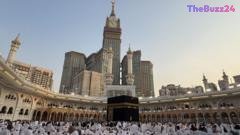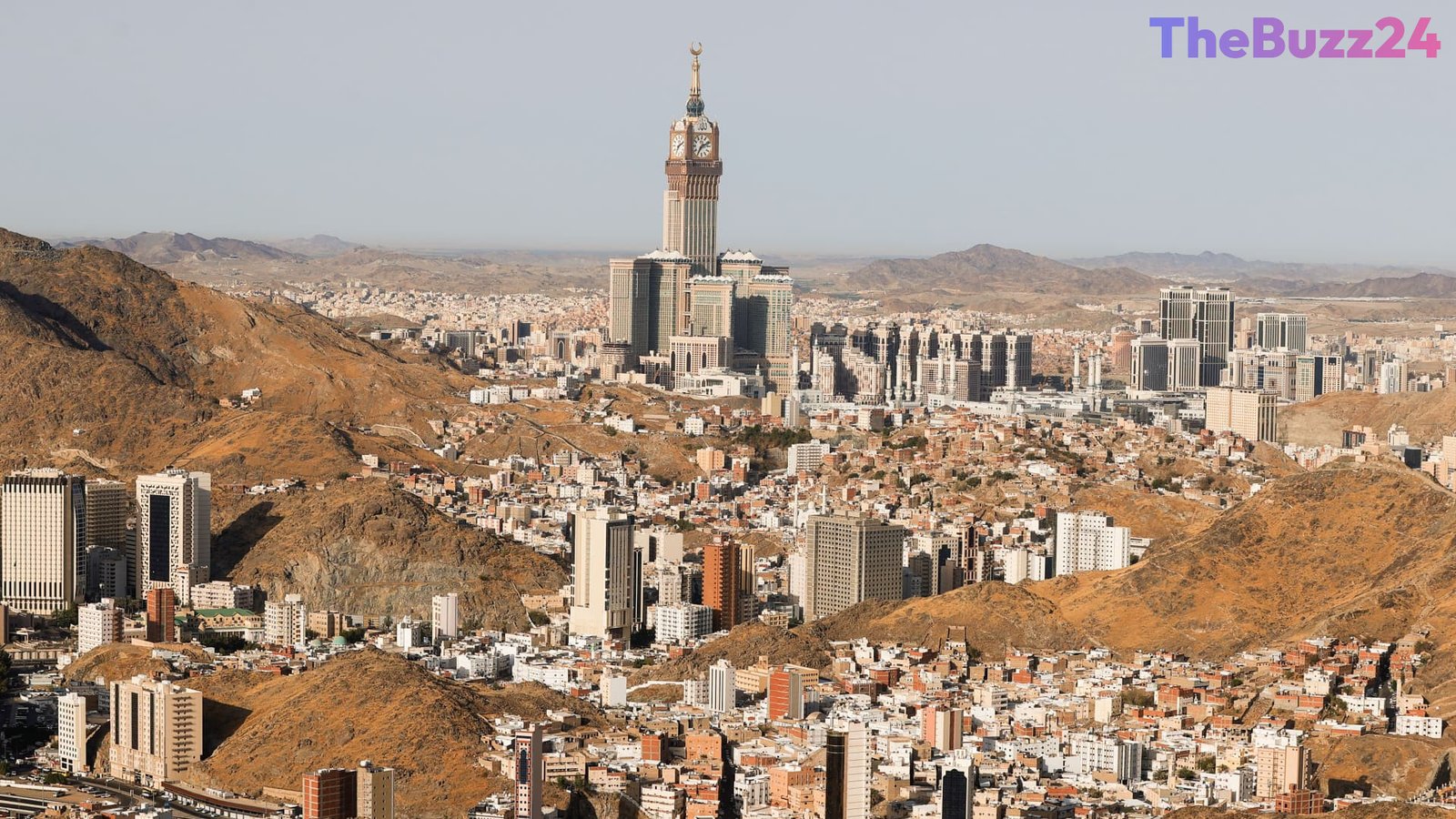
Mecca Targeted: Saudi Arabia Intercepts Houthi Drone Amid Escalating Regional Conflict
Saudi Arabia’s air defense systems reportedly intercepted and destroyed a Houthi drone before it could reach the holy city of Mecca, marking a significant escalation in the ongoing conflict. The Iran-backed Houthi militia, however, swiftly rejected the claim, dismissing it as a “worn-out lie.” This alleged targeting of Islam’s holiest site has drawn strong condemnation and signals a dangerous new phase in the protracted regional hostilities.
Turki al-Malki, spokesperson for the Saudi-led coalition, characterized the drone attack as a “deliberate act intended to provoke the feelings of millions of Muslims,” emphasizing that the security of Mecca is considered a “red line.” The Organization of Islamic Cooperation echoed this sentiment, condemning the strike as “heinous” and denouncing the Houthis’ “ongoing aggression” against Saudi Arabia. Houthi spokesperson Hazem al-Assad maintained the group’s denial, stating that “The claims about targeting Mecca are a worn-out lie that has been used before and no longer fools anyone.”
This incident follows a period of intensified attacks, including a security alert issued in Mecca, the first since a similar ballistic missile attempt in 2017. The broader conflict in Yemen has seen a breakdown of a UN-brokered truce from April 2022, with hostilities escalating since the Houthis declared a blockade on Saudi shipping in July and gained control of strategic points along the Bab al-Mandeb coastline. Recent weeks have also witnessed missile and drone attacks across Saudi Arabia, with Riyadh accusing the rebels of targeting civilian and economic sites, including a pro-Iranian militia-blamed attack on the East-West Pipeline.
The widening scope of the conflict is further destabilizing the Middle East, already strained by various regional tensions. The attacks have directly impacted global oil markets, contributing to price volatility. While Brent crude and U.S. West Texas Intermediate futures have recently hovered near four-month highs, the ongoing risks to critical infrastructure like the East-West Pipeline, which transports 4 million barrels per day, and the constrained Gulf shipping routes, continue to keep oil markets on edge. Analysts note that despite some recovery in Strait of Hormuz traffic, volumes remain significantly below pre-war levels, underscoring the persistent supply risks posed by the escalating regional strife.
Key Takeaways
- Saudi Arabia claims its air defenses intercepted a Houthi drone aimed at Mecca, marking a significant escalation in the Yemen conflict.
- The Iran-backed Houthi militia denies the accusation, calling it a "worn-out lie" and rejecting Saudi statements.
- The incident highlights growing regional instability, impacting critical infrastructure like oil pipelines and contributing to volatility in global oil markets.
Editor’s Analysis & Impact
The alleged Houthi drone attack on Mecca, regardless of its veracity, represents a critical escalation in the Yemen conflict with profound regional implications. Targeting Islam’s holiest site crosses a significant ‘red line’ for Saudi Arabia and the broader Muslim world, potentially galvanizing international condemnation and justifying a more robust Saudi response. This incident further destabilizes a Middle East already fraught with tensions, particularly between Saudi Arabia and Iran-backed groups. For global markets, the continued targeting of Saudi infrastructure, including oil pipelines and shipping routes, reinforces supply concerns. Oil prices are likely to remain sensitive to such geopolitical flashpoints, as the conflict’s expansion threatens vital energy transit points and production capabilities, adding a risk premium to crude benchmarks.
Frequently Asked Questions
Q: What is the significance of Mecca in this context?
A: Mecca is Islam's holiest city and the focal point of the annual Hajj pilgrimage. Any alleged attack on Mecca is considered a severe provocation, crossing a 'red line' for Saudi Arabia and potentially inciting strong reactions from Muslims worldwide.
Q: What is the current state of the conflict between Saudi Arabia and the Houthis?
A: The conflict, ongoing since 2015, has recently seen a significant escalation. A UN-brokered truce from April 2022 has largely broken down, with intensified Houthi attacks on Saudi territory, including a declared blockade on Saudi shipping and control of strategic coastal nodes. Saudi Arabia has also accused the Houthis of targeting civilian and economic sites.
Q: How has this escalation impacted oil markets?
A: The broadening conflict, including attacks on critical infrastructure like the East-West Pipeline and threats to Gulf shipping routes, has significantly impacted global oil markets. It has contributed to price volatility, with Brent crude and U.S. West Texas Intermediate futures hovering near four-month highs, as concerns over supply disruptions persist.
AI Disclosure: This article is based on verified data and official reports. Our Team and AI have cross-referenced every financial detail with primary sources to ensure total accuracy.
More from this Category