President Trump Demands Interest Rate Cuts to 1% Amid Fed Policy Disagreement
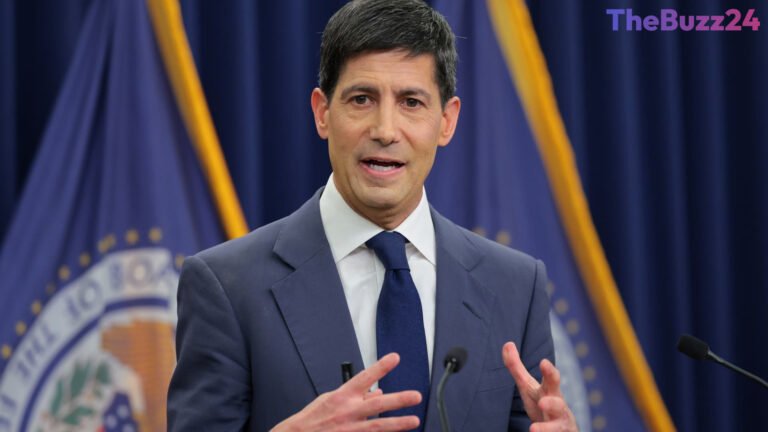
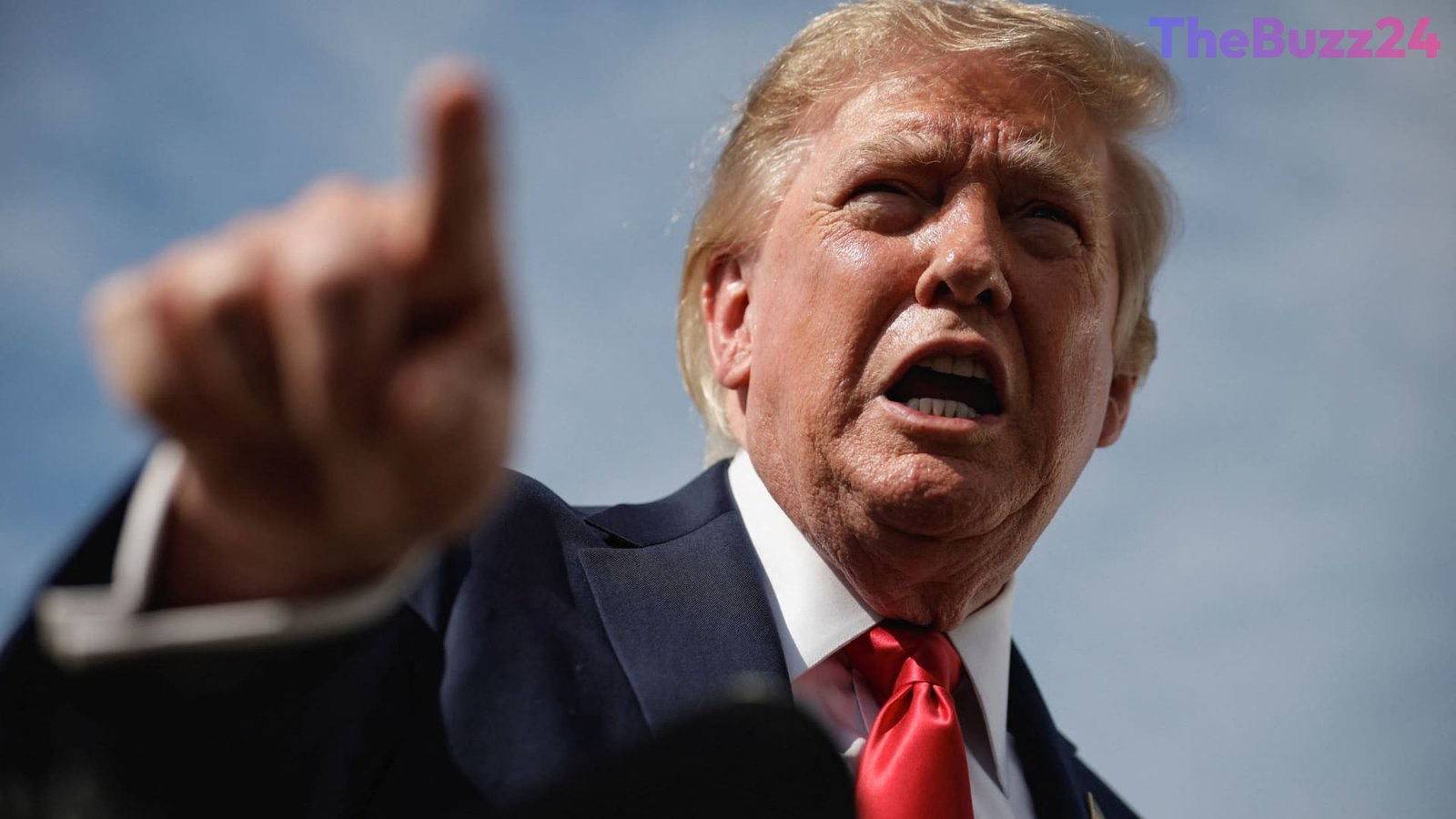
President Donald Trump has publicly reaffirmed his confidence in Federal Reserve Chair Kevin Warsh, even as he intensifies his campaign for a significant reduction in national interest rates. Following the Federal Open Market Committee’s unanimous decision to raise benchmark rates to a target range of 3.75% to 4%, the President expressed strong disapproval, calling for rates to be slashed to 1% or lower. This move marks the first rate hike since 2023, a decision Warsh defended as necessary to address persistent inflation.
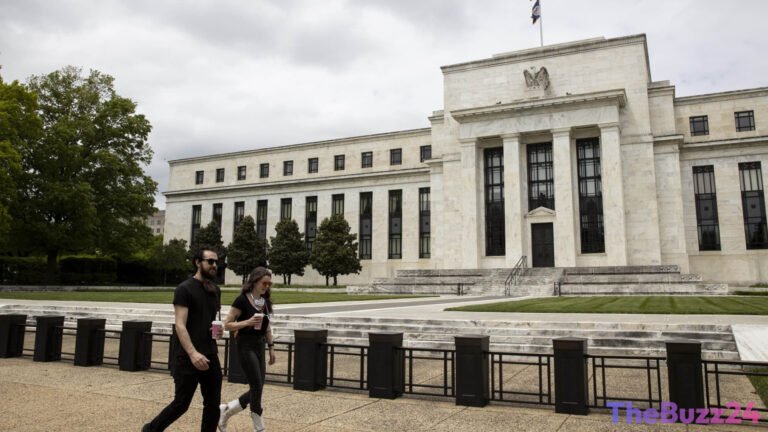
Despite his support for Warsh, whom he personally nominated, the President characterized the broader Federal Reserve board as “hostile” and “political.” Trump suggested that the current board members, many of whom were appointed by previous administrations, are intentionally working against his economic agenda. While the President insisted that he wants the Federal Reserve to maintain its independence, his vocal criticism and specific demands for monetary policy shifts have sparked concerns regarding the traditional separation between the White House and the central bank.
In a series of public statements, including posts on social media, the President argued that the United States deserves lower borrowing costs due to its status as a premier global credit entity. He further linked his monetary policy demands to his broader “America First” trade strategy, suggesting that the U.S. should leverage its trade relationships to bolster the economy. As the Federal Reserve signals that further rate increases may be on the horizon to combat elevated inflation, the tension between the executive branch’s growth-focused rhetoric and the central bank’s inflation-targeting mandate continues to escalate.
Key Takeaways
- President Trump has demanded that the Federal Reserve lower interest rates to 1% or less, despite the central bank's recent decision to raise them.
- While criticizing the broader Fed board as political, the President maintained his support for Fed Chair Kevin Warsh.
- The Federal Reserve remains focused on curbing elevated inflation, with officials signaling that additional rate hikes may be necessary.
Editor’s Analysis & Impact
The ongoing friction between the White House and the Federal Reserve highlights a significant shift in the traditional norms of central bank independence. By publicly pressuring the Fed to align monetary policy with his political agenda, President Trump is challenging the institution’s mandate to manage inflation independently of electoral cycles. This dynamic creates market uncertainty, as investors must weigh the Fed’s data-driven approach against the potential for executive interference. If the President continues to link trade policy and interest rate demands, it could lead to increased volatility in bond markets and complicate the Fed’s ability to anchor inflation expectations. The long-term implication is a potential erosion of the Fed’s credibility, which could force the central bank to adopt more aggressive measures to prove its autonomy, ultimately impacting borrowing costs for businesses and consumers alike.
Frequently Asked Questions
Q: What is the current target range for benchmark interest rates?
A: Following the recent Federal Open Market Committee decision, the benchmark interest rate target range is 3.75% to 4%.
Q: Does the President have the authority to set interest rates?
A: No, the Federal Reserve operates as an independent central bank, and its board members make monetary policy decisions based on economic data, not executive directives.
AI Disclosure: This article is based on verified data and official reports. Our Team and AI have cross-referenced every financial detail with primary sources to ensure total accuracy.
More from this Category