Analyzing the Federal Reserve’s Latest Policy Statement Shifts
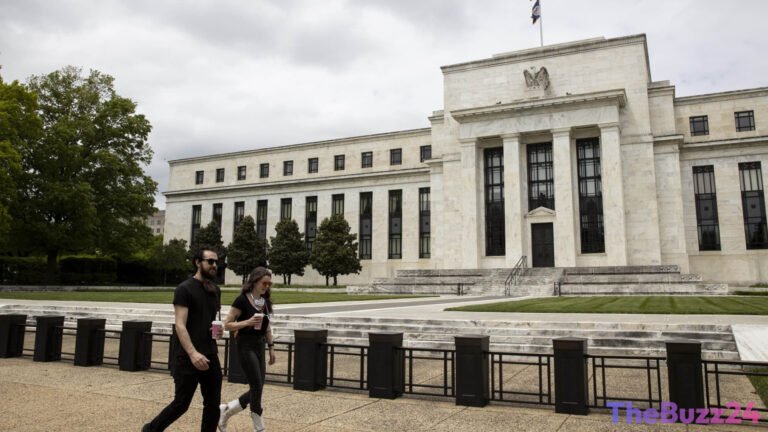
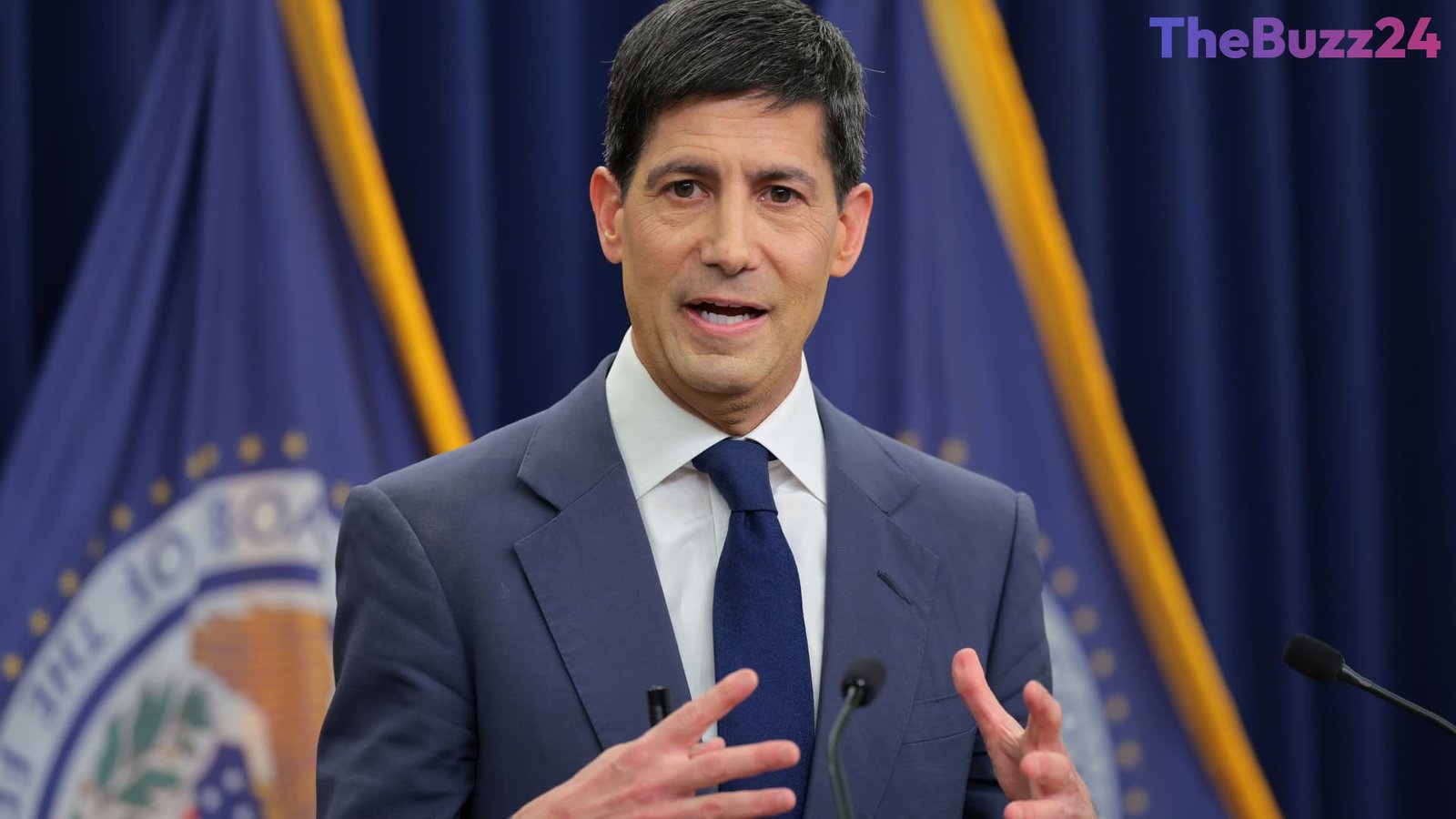
The Federal Open Market Committee (FOMC) has released its latest policy statement, signaling a shift in the central bank’s communication strategy under the leadership of Kevin Warsh. By comparing the most recent document to the previous iteration issued in July, observers can identify specific adjustments in language that reflect the committee’s evolving stance on economic conditions and monetary policy trajectory.
These modifications, ranging from subtle word choices to more significant structural changes in the text, provide critical insights into how the Fed is currently assessing inflation, employment, and broader market stability. The updated statement serves as a primary vehicle for the central bank to manage market expectations regarding interest rate paths and balance sheet management.
Market participants and economists are closely scrutinizing these revisions to determine if the changes indicate a more hawkish or dovish tilt compared to the summer outlook. As the Federal Reserve navigates a complex economic landscape, these periodic adjustments to the official statement remain the most vital indicator of the committee’s consensus and future policy intentions.
Key Takeaways
- The FOMC has updated its official policy statement, reflecting changes in economic outlook since the July meeting.
- The revisions provide insight into the committee's current perspective on inflation and employment targets.
- Market analysts are evaluating the linguistic shifts to gauge the Federal Reserve's future interest rate trajectory.
Editor’s Analysis & Impact
The latest FOMC statement adjustments under Kevin Warsh represent a pivotal moment for market signaling. By refining the language used to describe economic risks, the Federal Reserve is attempting to balance the need for transparency with the flexibility required to respond to volatile data. The broader implication of these changes is a potential recalibration of market expectations regarding the ‘higher for longer’ interest rate narrative. If the language suggests a heightened sensitivity to labor market cooling, investors may begin to price in a more aggressive easing cycle. Conversely, if the focus remains firmly on inflation persistence, the market should prepare for sustained restrictive conditions. This shift underscores the importance of granular analysis in central bank communications, as even minor textual changes can trigger significant volatility across equity and fixed-income markets.
Frequently Asked Questions
Q: Why does the Federal Reserve issue these policy statements?
A: The statements are issued to provide transparency regarding the FOMC's assessment of the economy and to signal the committee's future intentions for monetary policy, such as interest rate adjustments.
Q: How can investors interpret changes in the FOMC statement?
A: Investors look for shifts in specific keywords or phrases that indicate whether the Fed is becoming more concerned about inflation (hawkish) or economic growth and employment (dovish).
AI Disclosure: This article is based on verified data and official reports. Our Team and AI have cross-referenced every financial detail with primary sources to ensure total accuracy.
More from this Category