Oil Prices Dip as Saudi Supply Boosts Counter Houthi Strike Fears
Oil prices experienced a slight decline, with Brent crude futures falling by 0.94% to $103.83 per barrel and U.S. West Texas Intermediate futures down 0.88% to $101.01 per barrel. This dip comes as markets assess the impact of renewed strikes between Saudi Arabia and Yemen’s Houthi rebels against assurances of additional crude supplies from Saudi Arabia.
Concerns over potential disruptions to global energy supplies have been heightened by the escalating conflict in the Middle East. The recent exchange of attacks across the Saudi-Yemen border has amplified fears that the region’s vital energy infrastructure could be further imperiled. However, reports indicating that Saudi Arabia has secured alternative shipping routes for crude destined for Asian markets, utilizing Oman, have helped to mitigate anxieties about a significant supply shortfall. This is particularly relevant following attacks on a key pipeline.
Market analysts suggest that geopolitical events are likely to remain the primary influence on oil price fluctuations in the immediate future. Simon-Peter Massabni, head of business development at XS.com, noted that the recent price movement reflects a partial reduction in the geopolitical risk premium, rather than a fundamental shift in oil market dynamics. He explained that improved logistics for Saudi exports have lessened the market’s perception of supply risk, emphasizing that oil prices are influenced not only by available quantities but also by the perceived likelihood of supply interruptions.
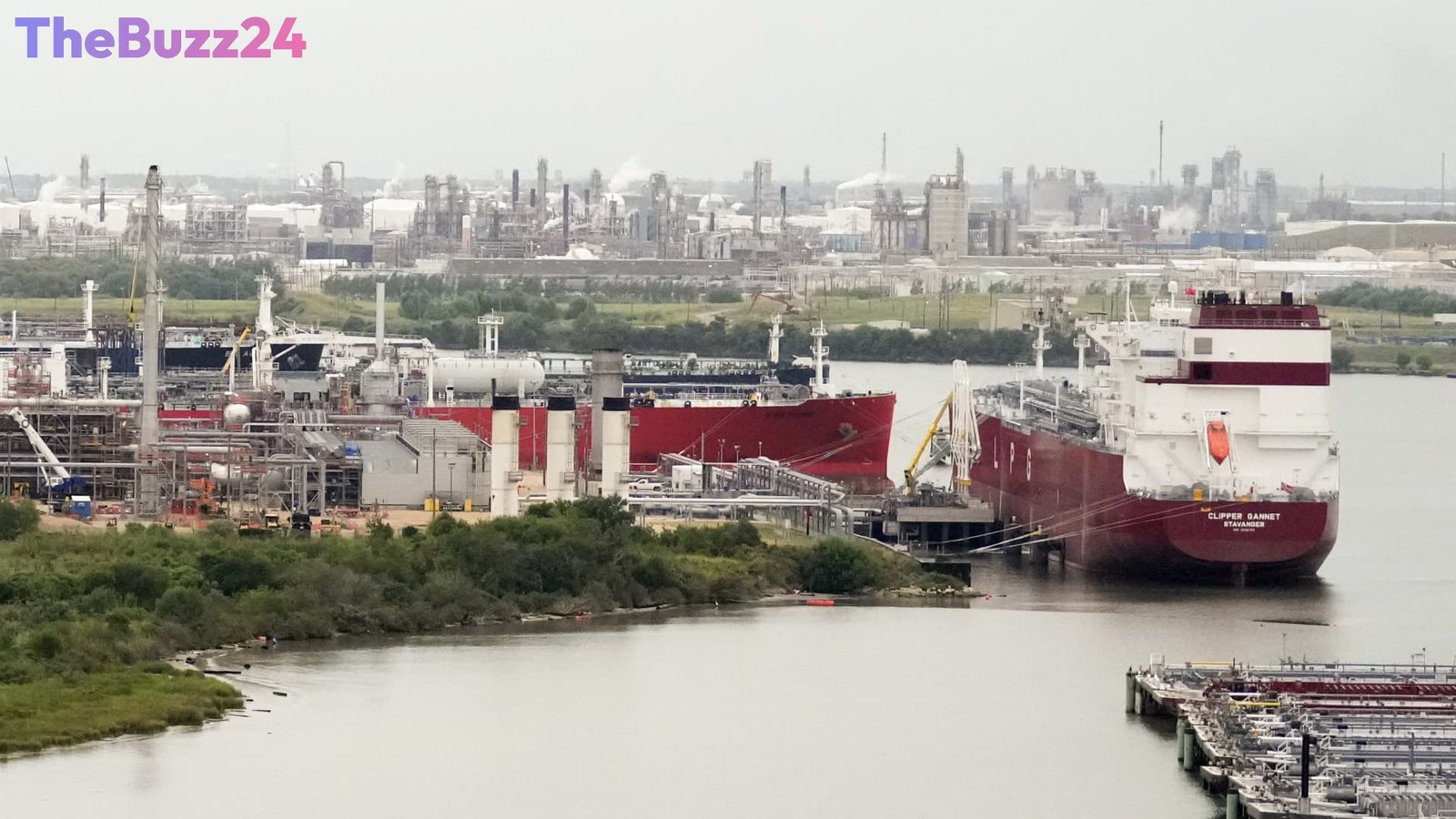
The vulnerability of the Middle East’s energy supply network remains a significant concern for traders, especially concerning critical chokepoints like the Strait of Hormuz, export routes, and oil terminals. The speed at which Saudi Arabia can repair its East-West pipeline will also be a crucial factor. Massabni anticipates that geopolitical developments will continue to overshadow traditional supply and demand metrics in dictating oil prices. While sustained Saudi exports to Asia and progress on pipeline restoration could exert further downward pressure on prices, any renewed disruptions to Middle Eastern exports could swiftly reintroduce a risk premium.
Key Takeaways
- Oil prices fell as Saudi Arabia's efforts to secure alternative supply routes eased fears of disruption.
- Renewed Houthi strikes in the Middle East heightened concerns about potential impacts on global energy supplies.
- Geopolitical developments are expected to be the dominant factor influencing oil prices in the short term.
Editor’s Analysis & Impact
The recent fluctuations in oil prices underscore the delicate balance between geopolitical tensions and supply chain resilience in the energy market. While Saudi Arabia’s proactive measures to reroute shipments have temporarily allayed fears of a severe supply crunch, the ongoing conflict in the Middle East presents a persistent risk. The market’s sensitivity to events around critical shipping lanes and infrastructure, such as the Strait of Hormuz and the East-West pipeline, highlights the inherent volatility. Investors will likely continue to monitor regional developments closely, with any escalation potentially leading to a swift reintroduction of risk premiums and upward pressure on prices. The long-term outlook will depend on de-escalation efforts and the successful restoration of key energy infrastructure.
Frequently Asked Questions
Q: What are Brent crude and West Texas Intermediate (WTI)?
A: Brent crude and WTI are the two major global benchmarks for oil prices. Brent crude is sourced from North Sea oil fields and is often used as a global standard, while WTI is a light, sweet crude oil produced in the United States and is a key benchmark for North American oil.
Q: What is the significance of the Strait of Hormuz for oil prices?
A: The Strait of Hormuz is a narrow waterway through which a significant portion of the world's oil supply passes. Any disruption or threat to this strait can cause immediate concern among traders and lead to sharp increases in oil prices due to fears of supply shortages.
Q: How do geopolitical events impact oil prices?
A: Geopolitical events, such as conflicts, political instability, or sanctions in major oil-producing regions, can significantly impact oil prices. These events create uncertainty about future supply, leading to increased 'risk premiums' being factored into oil prices, often causing them to rise.
AI Disclosure: This article is based on verified data and official reports. Our Team and AI have cross-referenced every financial detail with primary sources to ensure total accuracy.
More from this Category