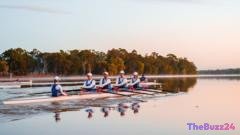
Crocodile-Inhabited Fitzroy River Approved for 2032 Brisbane Olympic Rowing Amid Fairness Concerns
The Fitzroy River in Rockhampton, Queensland, has officially been approved by World Rowing and the International Olympic Committee (IOC) as the official venue for rowing and canoe sprint events at the 2032 Brisbane Olympic and Paralympic Games. The decision follows a comprehensive technical assessment evaluating the riverbed, water currents, and weather conditions. While local officials celebrated the endorsement, the choice has sparked intense debate within the international sporting community regarding the venue’s suitability for elite competition.
Much of the public attention has focused on the river’s resident population of approximately 500 saltwater crocodiles, some of which can grow up to four meters in length. Although state records show no crocodile attacks on humans in the area for over 40 years, local events—such as the annual school rowing regatta—maintain strict safety protocols, including immediate race suspension upon a sighting. However, international rowing officials and athletes argue that the reptiles are a secondary concern. Instead, their primary objections center on the river’s natural bends, tidal currents, and potential for flooding, which they argue could compromise the fairness and integrity of Olympic-level races.
The selection of Rockhampton has also exposed political divisions. Queensland State Premier David Crisafulli defended the venue, dismissing criticisms from international sports bodies as attempts by “overseas elites” to sideline regional Queensland. This political pushback stands in contrast to a 2025 state-commissioned report that previously deemed the Fitzroy River unsuitable, recommending the use of Sydney’s existing 2000 Olympic course as a superior alternative. Despite these lingering concerns and the logistical challenges of hosting a major event 600 kilometers from Brisbane, local organizers remain committed to upgrading the regional facility for the 2032 Games.
Key Takeaways
- The International Olympic Committee and World Rowing have officially approved the Fitzroy River in Rockhampton as the rowing venue for the 2032 Brisbane Games.
- While the river is home to an estimated 500 saltwater crocodiles, international athletes and officials are more concerned about tidal currents and flooding affecting race fairness.
- Queensland political leaders strongly support the regional venue, despite a previous 2025 government-commissioned report suggesting Sydney's 2000 Olympic course as a safer, more reliable alternative.
Editor’s Analysis & Impact
The approval of the Fitzroy River highlights a growing tension in modern Olympic planning between regional development goals and elite athletic standards. By choosing Rockhampton, Queensland organizers are prioritizing regional economic investment and local legacy over established, world-class infrastructure like Sydney’s Penrith Lakes. However, this decision carries significant reputational risks. If tidal currents or flooding disrupt the 2032 events, it could spark widespread criticism of the IOC’s venue selection process. Furthermore, while local advocates dismiss safety concerns regarding the river’s crocodile population, any wildlife incident during the Games would be a public relations disaster. Ultimately, this decision underscores how political pressure to distribute Olympic benefits regionally can sometimes overshadow the technical preferences of international sporting federations.
Frequently Asked Questions
Q: Are crocodiles a real danger to Olympic rowers on the Fitzroy River?
A: While the Fitzroy River is home to about 500 saltwater crocodiles, local authorities report no recorded attacks on humans in over 40 years. Local regattas use strict safety protocols, including spotters and immediate race suspension if a crocodile is sighted.
Q: Why are international rowing bodies concerned about the venue?
A: International officials and athletes are primarily concerned with "fairness." The river's natural bends, tidal currents, and susceptibility to flooding could create unequal racing conditions, which critics argue is unacceptable for Olympic-level competition.
Q: Was there an alternative venue considered for the 2032 rowing events?
A: Yes. A 2025 state-commissioned report recommended using the Penrith Lakes course in Sydney, which was built for the 2000 Olympics, as it is already fully equipped and free of tidal or wildlife concerns. However, Queensland officials rejected this to keep the events within their state.
AI Disclosure: This article is based on verified data and official reports. Our Team and AI have cross-referenced every financial detail with primary sources to ensure total accuracy.
More from this Category