Deep-Earth Energy Breakthrough: Mazama Energy Raises $135M for Supercritical Geothermal Drilling
Geothermal energy startup Mazama Energy has successfully secured $135 million in its latest funding round to accelerate the development of its ultra-deep, super-hot-rock geothermal technology. The funding round was co-led by Centaurus Capital and Doerr Capital, with notable participation from energy giants ConocoPhillips and Shell Ventures, alongside returning backers Khosla Ventures and Gates Frontier. This capital injection will support Mazama’s ambitious plans to drill horizontal wells deep into the Earth’s crust, aiming to unlock a highly potent and continuous source of clean electricity.
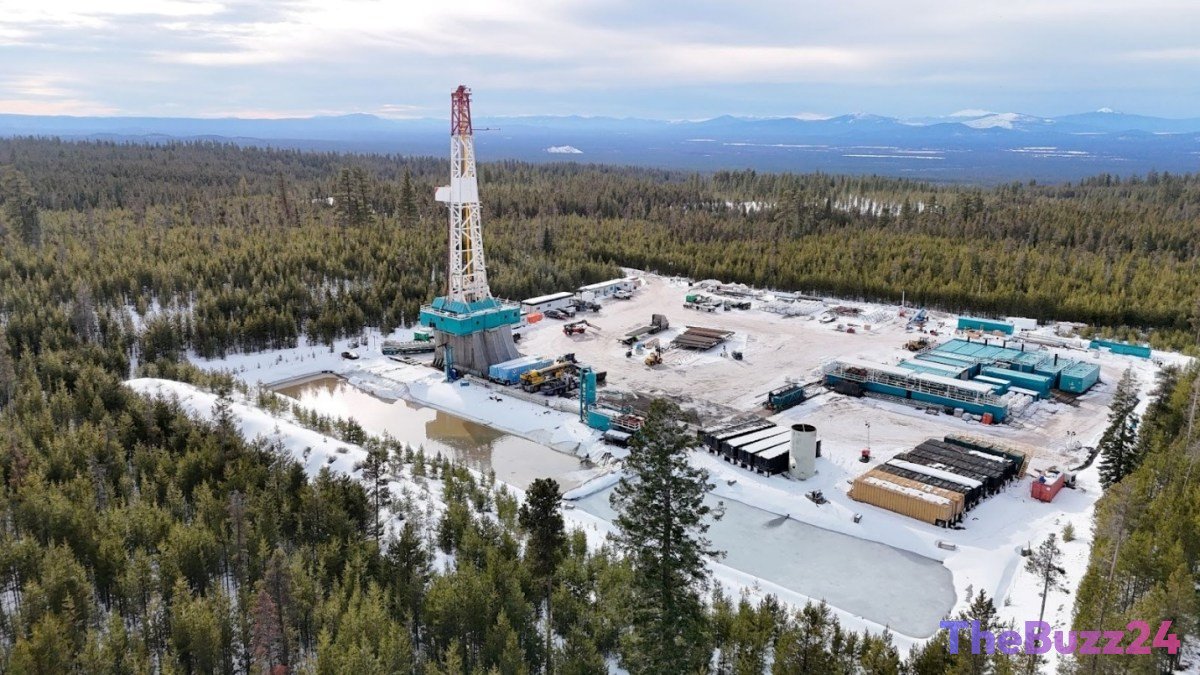
Unlike conventional geothermal systems, Mazama’s technology targets depths of approximately 15,000 feet, where temperatures reach a scorching 750°F (400°C). At these extreme depths and pressures, water injected into the wells enters a “supercritical” state—becoming neither fully liquid nor gas—which allows it to carry up to ten times more energy than standard steam. The company has already drilled past 10,000 feet at its inaugural site in Oregon, which is now estimated to hold a massive potential capacity of 10 gigawatts. Mazama expects to begin generating electricity at this location as early as next year, with a target of delivering 200 megawatts to the grid by 2030.
The rapid advancement of enhanced geothermal technology comes at a critical time as energy grids face unprecedented demand, largely driven by the expansion of AI data centers and industrial electrification. While many tech firms have historically relied on natural gas for reliable, round-the-clock power, geothermal energy is emerging as a powerful, zero-emission alternative. According to global energy research, tapping into just one percent of the world’s super-hot rock resources could generate over 63 terawatts of electricity, positioning companies like Mazama at the forefront of a potential clean energy revolution.
Key Takeaways
- Mazama Energy raised $135 million to advance its deep-earth geothermal drilling technology, targeting depths of 15,000 feet.
- The company's Oregon site has an upgraded estimated capacity of 10 gigawatts, with initial electricity generation slated to begin next year.
- By utilizing supercritical water at temperatures of 750°F, Mazama's wells can produce up to ten times more power than traditional geothermal systems.
Editor’s Analysis & Impact
Mazama Energy’s successful funding round highlights a pivotal shift in the clean energy landscape. As artificial intelligence and massive data centers strain global electrical grids, the demand for reliable, baseload clean energy has never been higher. While solar and wind are intermittent, super-hot-rock geothermal offers continuous, round-the-clock power. Mazama’s ability to attract traditional oil and gas giants like ConocoPhillips and Shell Ventures underscores the strategic alignment between deep-well drilling expertise and geothermal exploration. If Mazama can successfully scale its supercritical fluid technology, it could unlock virtually limitless clean energy, transforming geothermal from a niche regional power source into a cornerstone of the global green transition.
Frequently Asked Questions
Q: What is super-hot-rock geothermal energy?
A: It is an advanced geothermal method that involves drilling deep into the Earth (typically 10,000 to 15,000 feet) to reach temperatures of 750°F (400°C) or higher. At these temperatures, water reaches a 'supercritical' state, allowing it to transport significantly more energy to the surface than traditional steam.
Q: Who are the major investors in Mazama Energy's latest funding round?
A: The $135 million round was led by Centaurus Capital and Doerr Capital, with participation from major energy corporations ConocoPhillips and Shell Ventures, as well as investment firms like Khosla Ventures and Gates Frontier.
Q: When does Mazama Energy plan to start producing electricity?
A: Mazama plans to begin generating electricity at its Oregon site sometime next year, with a long-term goal of reaching 200 megawatts of capacity by 2030.
AI Disclosure: This article is based on verified data and official reports. Our Team and AI have cross-referenced every financial detail with primary sources to ensure total accuracy.
More from this Category