Hackers Seize Control of Oil Tankers Bound for US; FBI and Coast Guard Intervene
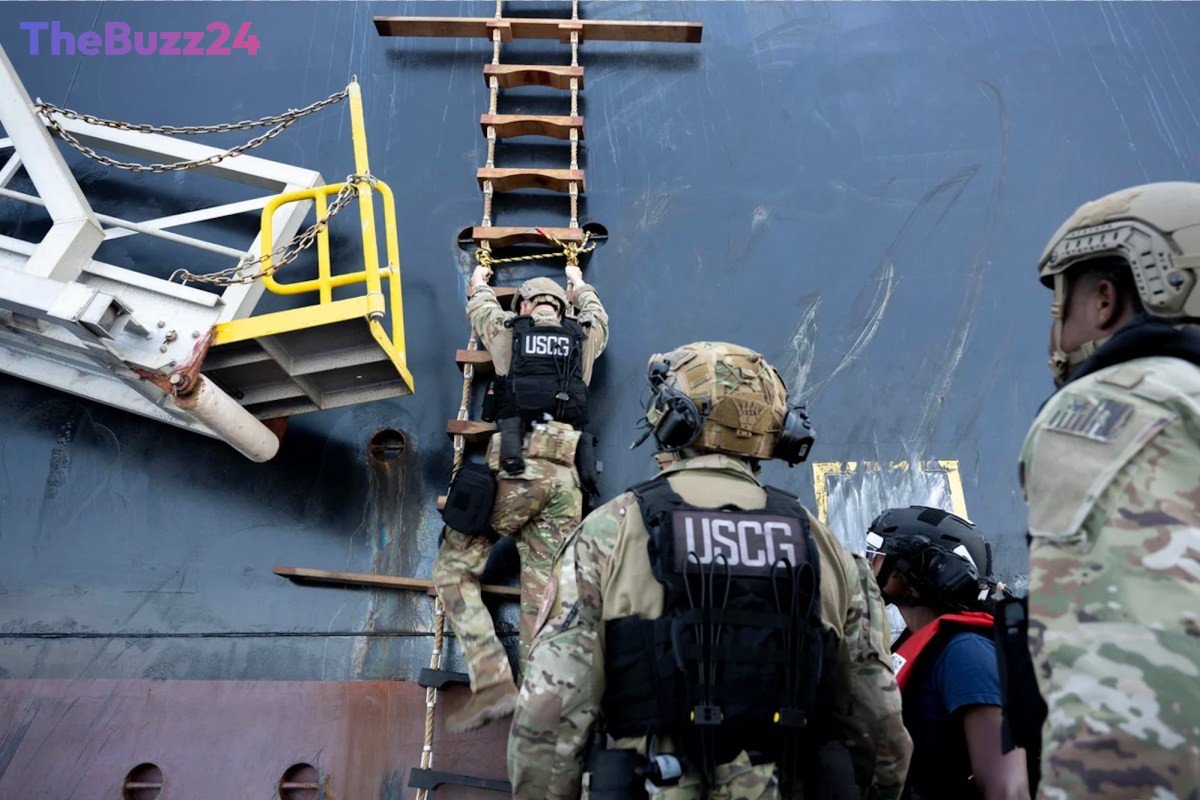
Federal authorities, including the FBI and the U.S. Coast Guard, conducted an operation to board two oil tankers in the Gulf of Mexico last month following reports of significant cyberattacks. The hackers reportedly gained control of critical ship systems, including navigation, propulsion, and cargo management, raising serious concerns about maritime security.
The joint operation, which took place between August 21 and August 24, aimed to assess and secure the vessels’ operational and information technology networks. According to a joint statement, the agencies boarded the ships to “ensure integrity of the vessel’s operational and information technology systems following indications that the networks of both vessels were compromised.” The crew and owners of the vessels fully cooperated with the investigation.
One of the confirmed tankers involved was the VL Prosperity, a massive vessel capable of carrying over two million barrels of oil. This tanker was reportedly compromised on August 7 while en route from Egypt to the United States. Reports indicate that the cyberattack disrupted the ship’s speed and fuel systems, and led to a loss of communications for over 24 hours. While the full extent of the damage and the perpetrators remain under investigation, U.S. authorities are exploring potential links to Iran, given a recent increase in cyber activity attributed to Iranian-backed groups following geopolitical tensions.
Despite the sophisticated nature of the cyber intrusions, officials confirmed that there were no reports of operational disruptions, vessel instability, physical danger to the crews, or environmental damage. This incident highlights the growing vulnerability of global shipping and logistics networks to cyber threats, as these complex systems rely heavily on interconnected digital infrastructure for safe and efficient operation.
Key Takeaways
- The FBI and Coast Guard boarded two oil tankers in the Gulf of Mexico due to suspected cyberattacks compromising ship systems.
- Hackers reportedly gained control of navigation, propulsion, and cargo systems on at least one vessel.
- While no operational disruptions or environmental damage were reported, the incident underscores the cybersecurity risks facing the shipping industry.
Editor’s Analysis & Impact
This incident serves as a stark warning about the increasing sophistication of cyber threats targeting critical infrastructure, specifically the global maritime sector. The ability of malicious actors to potentially control vital ship functions like navigation and propulsion poses a significant risk not only to commercial operations but also to crew safety and environmental security. As shipping relies more heavily on integrated IT and OT systems, the potential attack surface expands. The investigation into potential state-sponsored involvement suggests a complex geopolitical dimension to these cyberattacks. Industries worldwide must prioritize robust cybersecurity measures and incident response plans to mitigate such risks in an increasingly interconnected digital landscape.
Frequently Asked Questions
Q: What systems were reportedly compromised on the oil tankers?
A: Reports indicate that hackers gained control of the vessels' navigation, propulsion, and cargo systems. Communications were also reportedly lost for over a day on one of the tankers.
Q: Were there any safety or environmental concerns reported?
A: No, officials confirmed that there were no reports of operational disruptions, vessel instability, physical danger to crews, or environmental impacts resulting from the cyber incidents.
Q: Who is suspected of being behind the cyberattacks?
A: While the perpetrators are still under investigation, U.S. authorities are reportedly looking into whether Iran is involved, citing a recent increase in cyber activity from Iranian-backed groups.
AI Disclosure: This article is based on verified data and official reports. Our Team and AI have cross-referenced every financial detail with primary sources to ensure total accuracy.
More from this Category