The Open vs. Closed AI Battle: Nvidia Experts to Headline Disrupt 2026 Strategy Session
For contemporary artificial intelligence builders and startup founders, choosing between proprietary frontier models and open-source alternatives remains one of the most consequential architectural decisions. This foundational choice directly influences operational costs, infrastructure demands, profit margins, speed-to-market, and long-term product differentiation. As the economic and technical landscape shifts rapidly, navigating these trade-offs requires a strategic approach rather than a simple philosophical preference.
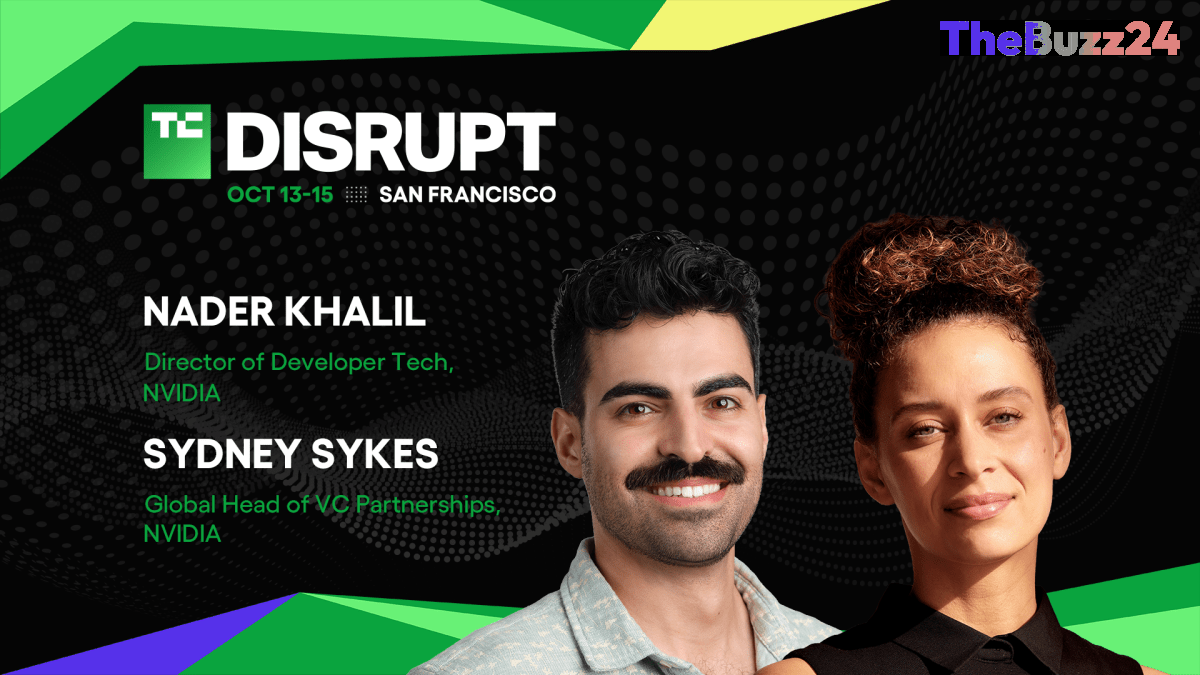
To address these critical industry dilemmas, industry leaders are preparing for an in-depth exploration of the topic. Nader Khalil, Director of Developer Tech at Nvidia, and Sydney Sykes, Global Head of VC Partnerships, are set to lead a high-profile session titled “The Open vs. Closed AI Debate Is Just Getting Started” on the Builders Stage at TechCrunch Disrupt 2026. The upcoming conference, scheduled for October 13-15 in San Francisco, aims to draw thousands of tech professionals eager to understand how model selection impacts everything from fundraising narratives to data security and technical defensibility.
Ultimately, the debate extends far beyond developer preferences, heavily influencing business models across the entire technology sector. Investors must evaluate where true enterprise value resides within the modern software stack, while enterprise leaders must weigh procurement flexibility against proprietary performance. By examining these complex trade-offs directly, participants at the upcoming conference will gain actionable insights to shape resilient, future-proof artificial intelligence strategies.
Key Takeaways
- Nvidia's Nader Khalil and Sydney Sykes will host a major session on open versus closed AI models at Disrupt 2026.
- The choice between open-source and proprietary models deeply impacts startup margins, infrastructure, and long-term defensibility.
- The upcoming conference takes place in San Francisco from October 13-15, bringing together over 10,000 technology leaders.
Editor’s Analysis & Impact
The ongoing debate between open-source and closed-source artificial intelligence is maturing from a theoretical discussion into a fierce commercial battleground. Startups and enterprises alike are realizing that model architecture dictates not only technical capability but also long-term financial viability and market defensibility. Proprietary models offer speed and robust out-of-the-box performance, but open-source ecosystems provide unprecedented control, customization, and cost management at scale. Industry discussions led by hardware and venture giants like Nvidia signal that infrastructure providers are heavily invested in how developers resolve this dilemma. Looking ahead, the most successful companies will likely adopt a hybrid approach, leveraging closed models for rapid deployment while fine-tuning open models for proprietary data advantages. Understanding this balance will remain a critical competency for founders, investors, and enterprise decision-makers over the coming decade.
Frequently Asked Questions
Q: Who is leading the AI debate session at Disrupt 2026?
A: The session will be led by Nader Khalil, Director of Developer Tech at Nvidia, and Sydney Sykes, Global Head of VC Partnerships.
Q: What are the main business impacts of choosing an open versus closed AI model?
A: The decision directly affects operational costs, profit margins, infrastructure requirements, product differentiation, data security, and overall fundraising narratives for startups.
Q: When and where is TechCrunch Disrupt 2026 taking place?
A: The event is scheduled for October 13-15 in San Francisco.
AI Disclosure: This article is based on verified data and official reports. Our Team and AI have cross-referenced every financial detail with primary sources to ensure total accuracy.
More from this Category