US and China Discuss AI Safety and Trade Ahead of High-Stakes Summit
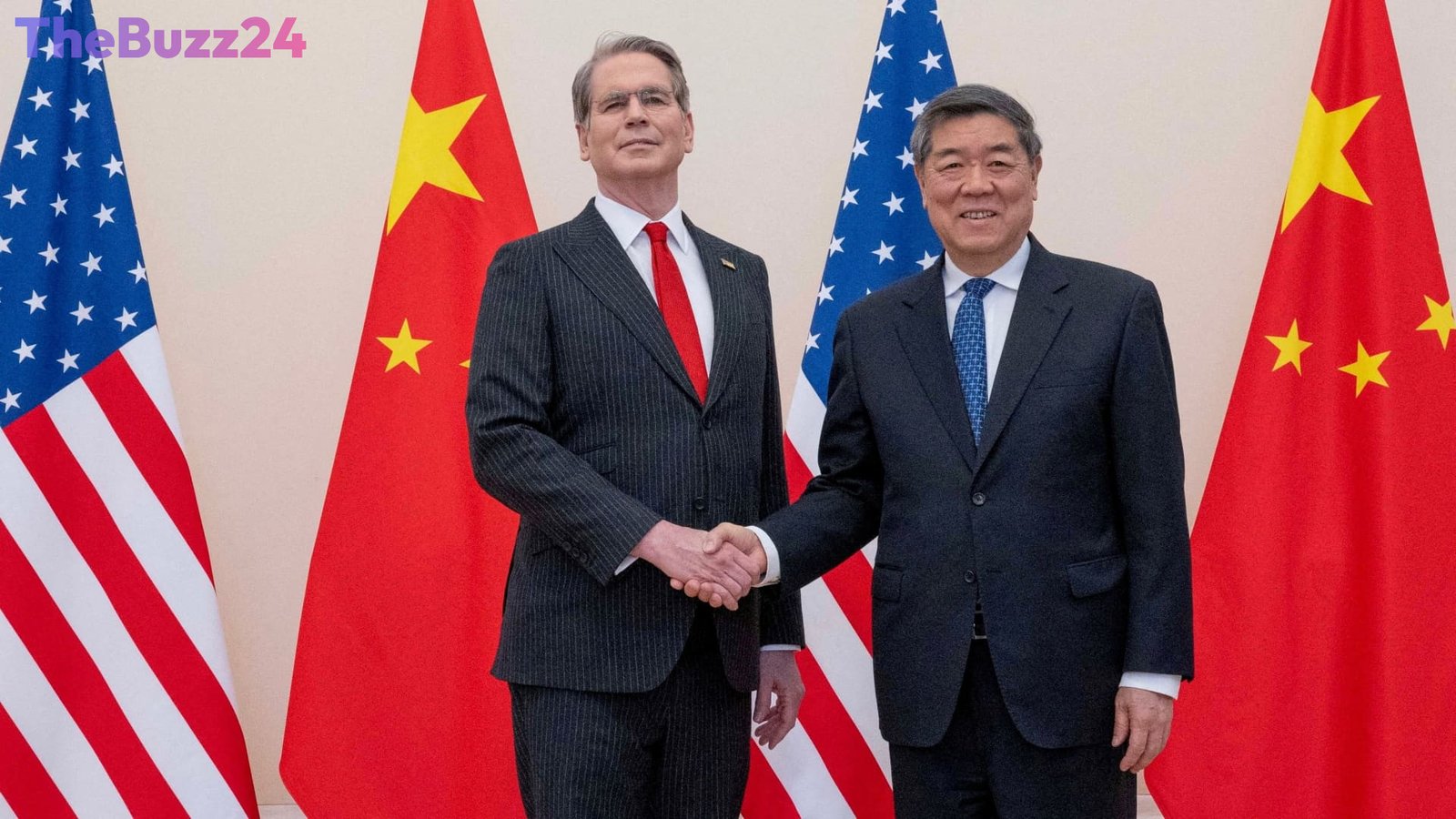
U.S. Treasury Secretary Scott Bessent characterized his recent meeting with Chinese Vice Premier He Lifeng as “successful,” setting the stage for crucial discussions ahead of Chinese President Xi Jinping’s upcoming visit to Washington. The talks, which also included U.S. Trade Representative Jamieson Greer, focused on key areas of bilateral interest, notably artificial intelligence and trade.
During the high-level exchange, the U.S. proposed the establishment of a “U.S.-China AI Dialogue.” A central element of this proposal is the creation of a notification mechanism designed to alert both nations to incidents involving artificial intelligence that could escalate to a national security level. Secretary Bessent emphasized the importance of transparency between the world’s leading AI powers, stating, “moving from opaque to more transparency between the number one and the number two AI powers in the world is very important.”
This initiative comes at a critical juncture, with growing concerns in Washington regarding the safety and national security implications of rapidly advancing AI technology. The U.S. and China are engaged in a fierce competition for technological supremacy, and the proposed AI dialogue aims to foster a more open communication channel amidst these tensions. The U.S. administration’s approach has leaned towards voluntary and security-focused safeguards, a stance that contrasts with some calls for more stringent regulatory measures from industry leaders.
In parallel, the U.S.-China Board of Trade has been officially “operationalized” to streamline future trade negotiations, according to U.S. Trade Representative Jamieson Greer. This board is intended to identify a core group of goods that could be addressed separately should future trade measures become necessary. Discussions are expected to cover a range of products, from consumer and low-tech items from China to energy, agricultural, and potentially medical goods from the U.S. The upcoming summit between President Xi and President Trump is anticipated to address these economic matters, alongside existing trade tariffs, as a significant trade truce is set to expire in November.
Key Takeaways
- The U.S. and China have discussed establishing an AI dialogue and a notification mechanism for AI-related security incidents.
- The meeting precedes a significant summit between President Xi Jinping and President Trump, focusing on AI and trade.
- A U.S.-China Board of Trade has been operationalized to facilitate future trade negotiations on specific goods.
Editor’s Analysis & Impact
The dialogue on AI safety and the operationalization of the U.S.-China Board of Trade signal a pragmatic approach to managing the complex relationship between the two global economic and technological giants. While competition in AI is intense, the U.S. proposal for a notification mechanism suggests a recognition of shared risks and the need for de-escalation. This could pave the way for more structured discussions on AI governance, potentially influencing global standards. The focus on trade facilitation, particularly identifying specific goods for separate consideration, indicates an effort to stabilize economic ties amidst broader geopolitical tensions. The upcoming summit will be a critical test of whether these initial steps can translate into concrete agreements and a more predictable bilateral framework.
Frequently Asked Questions
Q: What is the proposed U.S.-China AI Dialogue?
A: The U.S. has proposed establishing a dialogue with China focused on artificial intelligence. A key component is a notification mechanism to inform both countries about AI-related incidents that could pose a national security risk.
Q: What is the purpose of the operationalized U.S.-China Board of Trade?
A: The U.S.-China Board of Trade has been operationalized to help facilitate future trade negotiations. It aims to identify specific categories of goods that could be handled separately if trade measures are implemented.
Q: What are the broader implications of these discussions?
A: These discussions are significant as they occur ahead of a high-stakes summit between the U.S. and China, addressing critical areas of competition and cooperation like AI and trade. They suggest an effort to manage bilateral relations and potential risks, particularly concerning advanced technology and economic stability.
AI Disclosure: This article is based on verified data and official reports. Our Team and AI have cross-referenced every financial detail with primary sources to ensure total accuracy.
More from this Category