Tensions Escalate as White House Media Ban Faces Legal Challenge
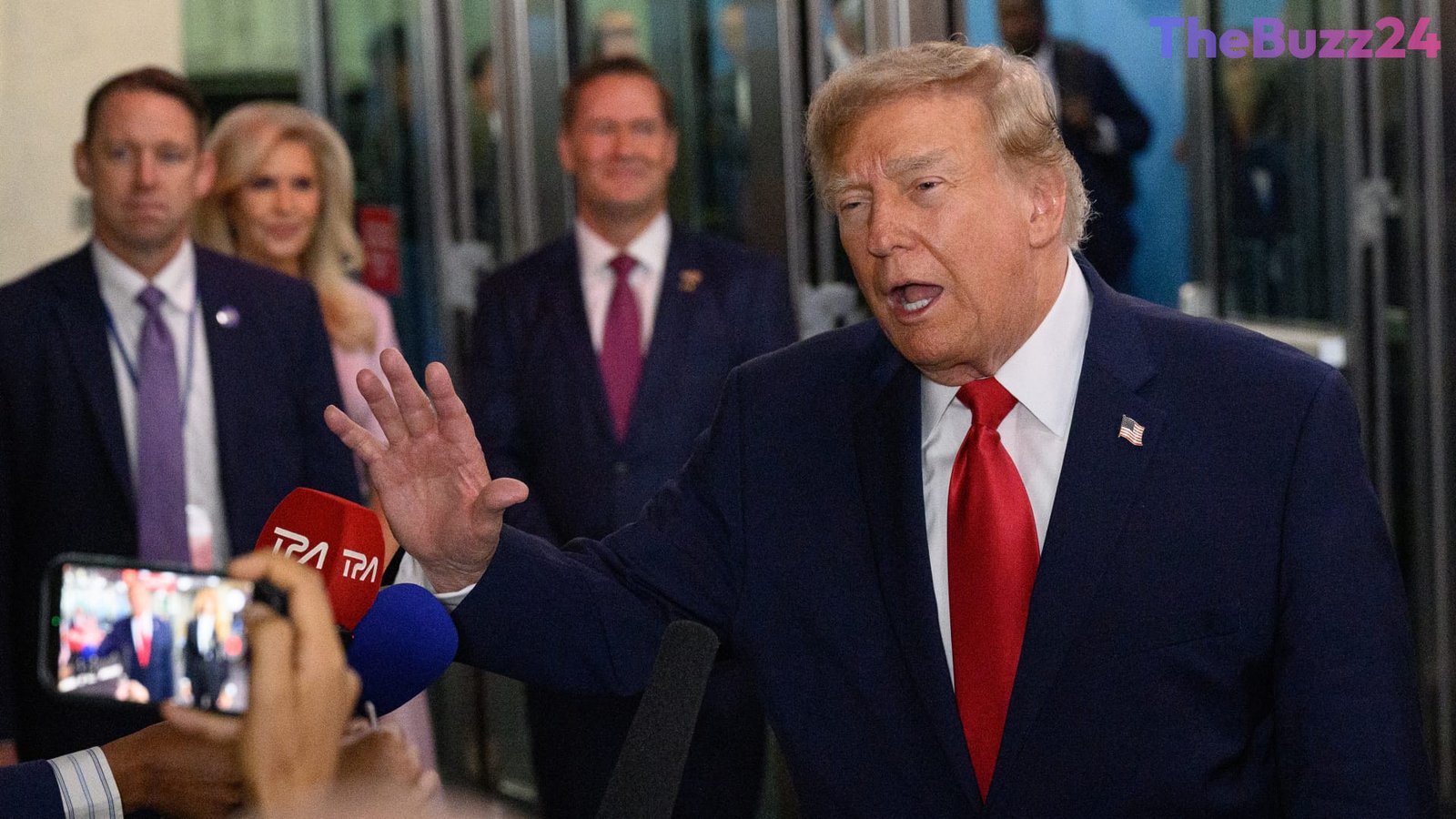
A high-stakes confrontation between the executive branch and major news organizations has intensified following a public exchange at the United Nations. During a press gathering, Donald Trump confronted a CNN journalist, asserting that the outlet should not be present to cover his activities. This interaction occurred as the Department of Justice prepares to defend a recent administration policy that revoked the White House press credentials of CNN, MS NOW, and Politico.
The conflict stems from a decision last week to bar these specific outlets from the White House grounds, with the administration citing concerns over the accuracy of their reporting. In response, the affected media organizations filed a joint lawsuit in federal court, arguing that the ban violates First Amendment protections and the Due Process Clause of the U.S. Constitution. The legal challenge seeks an immediate injunction to restore access for their reporters.
The situation has prompted broader industry reactions, including a temporary suspension of pool coverage by a consortium of major television networks in solidarity with the excluded outlets. As the case moves toward a scheduled hearing before Judge Timothy Kelly, the administration maintains that while the First Amendment protects the right to publish, it does not mandate that specific journalists be granted permanent access to the White House briefing room or press pool.
Key Takeaways
- Major media outlets have filed a federal lawsuit against the administration to challenge the revocation of White House press credentials.
- The administration justifies the ban by citing concerns over professional decorum and the reporting of alleged falsehoods.
- A federal judge is set to hear arguments regarding an injunction that would force the restoration of press access for the affected organizations.
Editor’s Analysis & Impact
This legal battle represents a significant inflection point in the relationship between the executive branch and the press. By challenging the administration’s authority to revoke ‘hard passes,’ the media outlets are testing the boundaries of constitutional protections regarding government-controlled spaces. The outcome of this case will likely set a lasting precedent for how future administrations manage press access and whether such credentials are viewed as a privilege granted by the government or a right protected under the First Amendment. Beyond the legal technicalities, the incident underscores a deepening polarization in the media landscape, where the definition of ‘professional decorum’ has become a central point of contention. The industry will be closely monitoring Judge Kelly’s ruling, as it could either solidify the administration’s power to curate its press corps or establish a robust defense for independent journalism.
Frequently Asked Questions
Q: Why were the media outlets banned from the White House?
A: The administration stated the ban was a response to what it characterized as the fabrication of facts and the reporting of verifiable falsehoods, which it claimed disrupted the mission of the White House.
Q: What is the primary legal argument in the lawsuit?
A: The media outlets argue that the ban violates their First Amendment rights and the Due Process Clause of the U.S. Constitution, asserting that the government cannot unilaterally decide which press organizations are permitted to cover the president.
AI Disclosure: This article is based on verified data and official reports. Our Team and AI have cross-referenced every financial detail with primary sources to ensure total accuracy.
More from this Category