Air Travel Recovers After Severed Fiber Cable Triggers Massive East Coast Flight Disruptions
Flight operations in the Northeast are beginning to stabilize following a major infrastructure failure that grounded and delayed thousands of passengers. The disruption, which heavily impacted Newark Liberty International and Philadelphia International airports, began to ease on Tuesday morning as technical teams worked to resolve the communication issues. While hundreds of flights were canceled or diverted at the start of the week, cancellation rates dropped significantly by Tuesday, bringing relief to frustrated travelers.
The travel chaos was triggered on Monday when a construction crew working for NJ Transit accidentally severed a vital Verizon fiber-optic cable in central New Jersey. This severed line was responsible for carrying backup flight radio and radar feeds to an air traffic control facility. When the primary system experienced a failure, the Federal Aviation Administration attempted to switch to the backup system, only to discover it was offline due to the physical damage. This double-failure forced air traffic controllers to halt incoming flights, leading to widespread diversions.
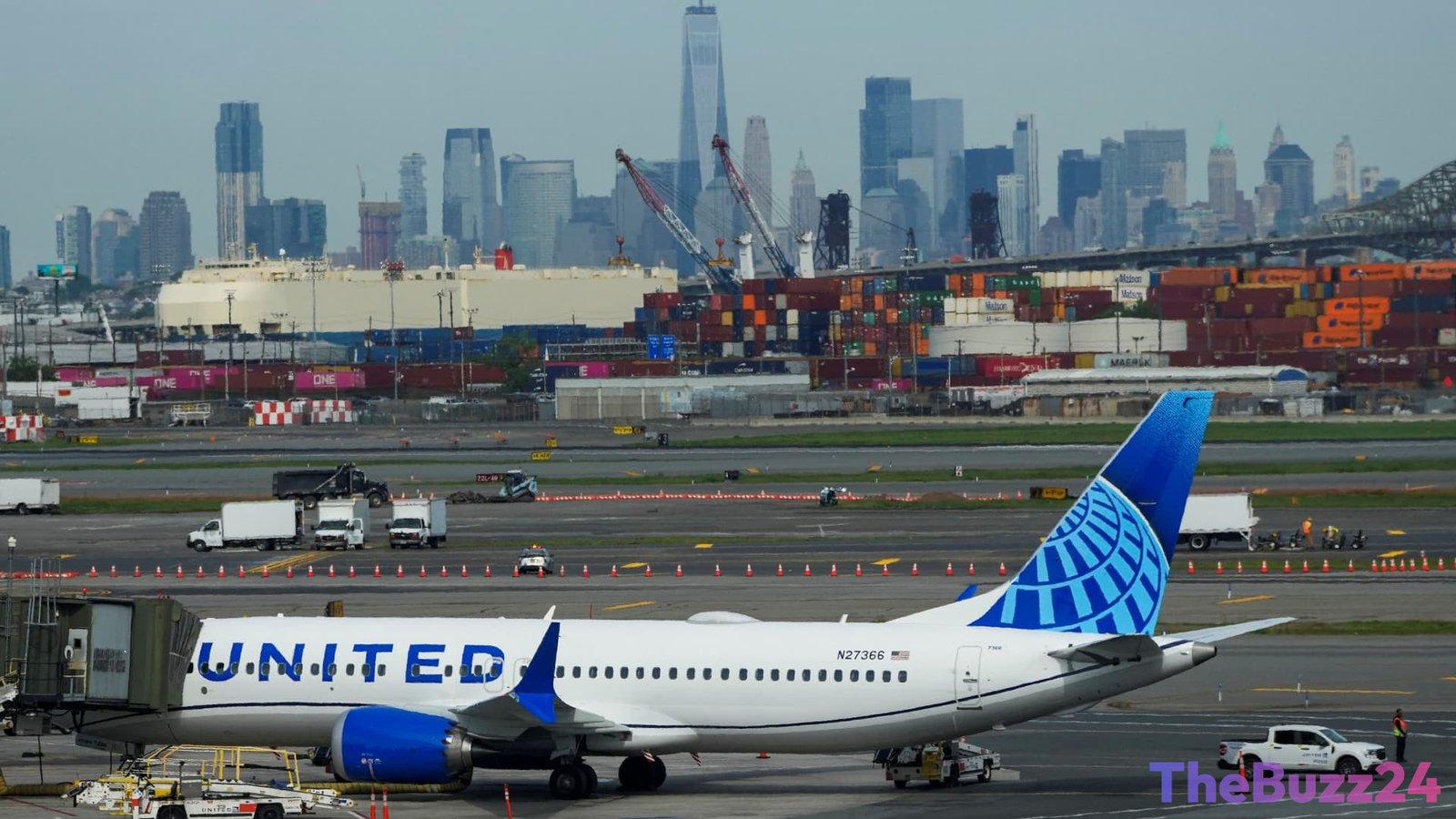
United Airlines, which operates its primary East Coast hub out of Newark, bore the brunt of the disruption. More than 100 inbound flights, including numerous long-haul international routes, had to be rerouted to alternative airports such as Boston, Detroit, and Washington, D.C. To combat the resulting staffing shortages and scheduling backlogs, United offered flight attendants incentive pay to take on additional shifts originating from Newark, helping to normalize operations.
Key Takeaways
- A severed Verizon fiber-optic cable, cut by an NJ Transit construction crew, disabled critical backup radar and radio feeds for air traffic controllers.
- The outage caused massive flight cancellations and diversions at Newark and Philadelphia airports, though operations began recovering by Tuesday.
- United Airlines offered extra compensation to flight attendants to mitigate staffing shortages and clear the backlog of delayed flights.
Editor’s Analysis & Impact
This incident highlights a critical vulnerability in modern aviation infrastructure: the reliance on physical telecommunications lines that can be easily disrupted by routine construction. While redundancy is built into air traffic control systems, the simultaneous failure of the primary system and the physical destruction of the backup line exposed a single point of failure. For airlines like United, such disruptions result in millions of dollars in lost revenue, crew rescheduling costs, and passenger compensation. Moving forward, regulatory bodies and infrastructure providers must re-evaluate the physical routing of backup communication lines to ensure they do not share geographical vulnerabilities with primary systems. Additionally, this event will likely accelerate calls for satellite-based backup communication systems to prevent localized physical damage from paralyzing regional airspace.
Frequently Asked Questions
Q: What caused the flight disruptions at Newark and Philadelphia airports?
A: The disruptions were caused by an NJ Transit construction crew accidentally cutting a Verizon fiber-optic cable. This cable carried the backup radio and radar feeds for an air traffic control facility, which failed to activate when the primary system went offline.
Q: How did United Airlines respond to the delays?
A: United Airlines offered extra pay to flight attendants to encourage them to pick up shifts at Newark Liberty International Airport, helping to manage the scheduling backlog and get flights back on track.
Q: Are flights back to normal now?
A: Yes, flight disruptions have significantly eased. Cancellation rates dropped to around 5% at Newark and 2% at Philadelphia by Tuesday morning, down from much higher levels on Monday.
AI Disclosure: This article is based on verified data and official reports. Our Team and AI have cross-referenced every financial detail with primary sources to ensure total accuracy.
More from this Category