Tehran Dismisses U.S. Threats as Desperation While Outlining Terms for Strait of Hormuz Reopening
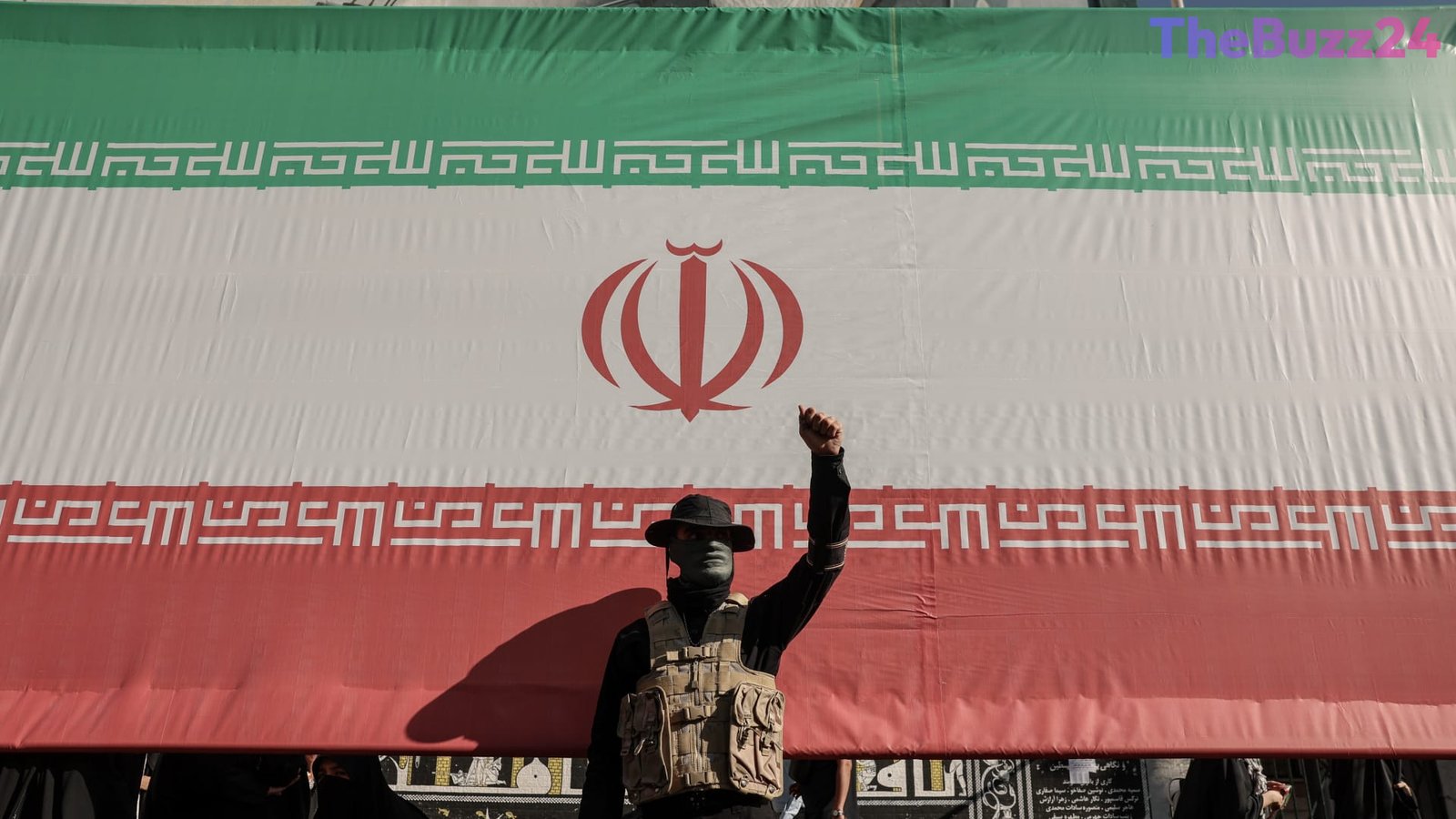
Military leadership in Iran has strongly condemned recent aggressive remarks from Washington, characterizing threats of total annihilation as a clear indication of strategic dead-ends and operational fatigue. In a strongly worded public statement, defense officials asserted that the nation remains fully prepared to retaliate with even greater force should hostilities escalate further in the ongoing regional conflict.
Simultaneously, diplomatic channels have revealed potential pathways toward de-escalation. Representatives from Tehran have outlined specific conditions required to halt military operations across all fronts and restore vital maritime traffic. Among the central demands are the immediate cessation of hostile actions, the lifting of ongoing naval blockades, the termination of economic sanctions, and the unfreezing of critical financial assets.
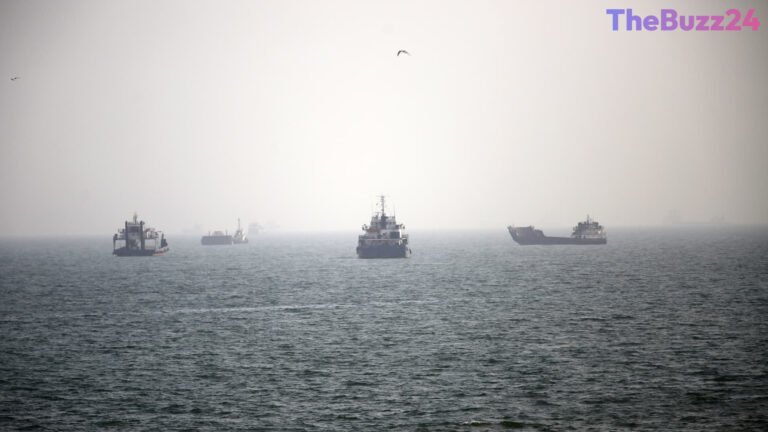
Talks facilitated by regional intermediaries in New York have brought forward comprehensive proposals aimed at normalizing passage through the Strait of Hormuz. Shipping data indicates that cargo movement through this crucial global energy corridor remains severely depressed compared to pre-conflict baselines, heavily impacting international crude supplies. While secondary corridors under alternative regional management have absorbed some of the capacity, oil markets continue to experience volatility as traders weigh the fragile prospects of a diplomatic breakthrough against the threat of prolonged disruption.
Key Takeaways
- Iran's military dismissed U.S. threats as a sign of strategic desperation rather than strength.
- Tehran has laid out specific conditions for peace, including ending naval blockades and releasing frozen assets.
- Global oil markets remain mixed as shipping volumes through the critical Strait of Hormuz stay well below pre-war levels.
Editor’s Analysis & Impact
The ongoing standoff between Washington and Tehran continues to exert heavy influence on global energy markets and geopolitical stability. The Strait of Hormuz remains a critical chokepoint for international petroleum shipments, and any sustained restriction of traffic threatens to keep oil prices volatile. While diplomatic maneuvering and mediated talks suggest a mutual desire for an off-ramp, the collapse of prior agreements highlights the deep mistrust remaining between the two nations. A lasting resolution will depend heavily on whether both sides can find acceptable compromises on sanctions relief and maritime security, particularly as domestic political pressures mount in the United States and Iran alike.
Frequently Asked Questions
Q: What are Iran's conditions for reopening the Strait of Hormuz?
A: Tehran's conditions include a halt to U.S. military aggression, the lifting of naval blockades and economic warfare, and the release of frozen Iranian assets.
Q: How has the conflict impacted oil shipping through the Strait of Hormuz?
A: Shipping through the strait has dropped significantly, with recent transits hovering at a fraction of the pre-war baseline as maritime blockades and regional security risks deter normal commercial traffic.
Q: How has Iran's military responded to recent U.S. threats?
A: Iran's military described the threats as a sign of strategic desperation and exhaustion, warning that the country is prepared to launch even more crushing strikes if necessary.
AI Disclosure: This article is based on verified data and official reports. Our Team and AI have cross-referenced every financial detail with primary sources to ensure total accuracy.
More from this Category