Crude Markets Volatile as U.S. and Iran Hold High-Stakes Diplomacy at the UN
Crude oil markets experienced mixed trading activity as market participants digested lengthy diplomatic discussions between American and Iranian officials at the United Nations. While the prospect of a negotiated settlement offered some relief to energy traders, opposing remarks from leadership warning of severe military action kept overall market sentiment on edge.
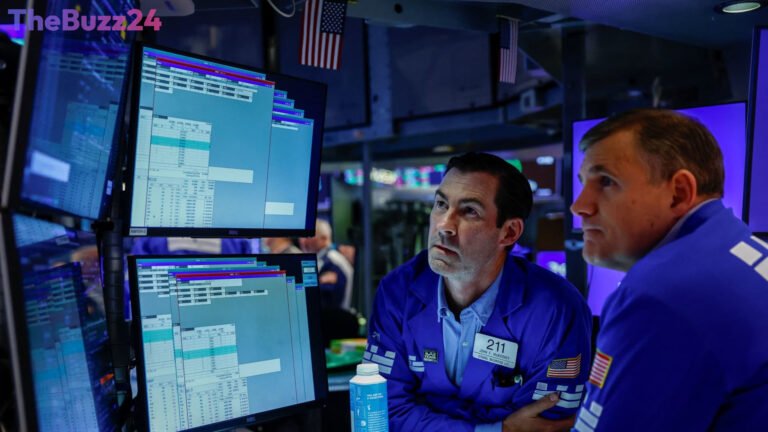
International benchmark Brent crude futures for November delivery managed to reverse earlier losses, ticking upward by 0.36% to trade at $99.57 per barrel during early morning electronic trading. Conversely, U.S. West Texas Intermediate futures for the same contract month dipped slightly by 0.44%, settling at $90.12 a barrel as investors carefully evaluated the fragile geopolitical landscape in the Middle East.
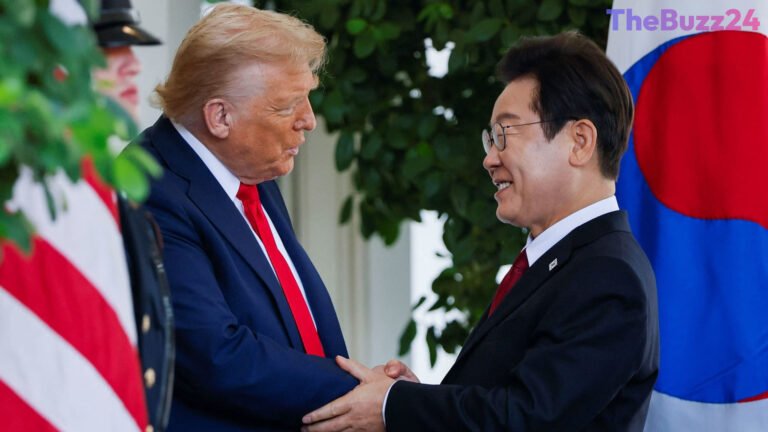
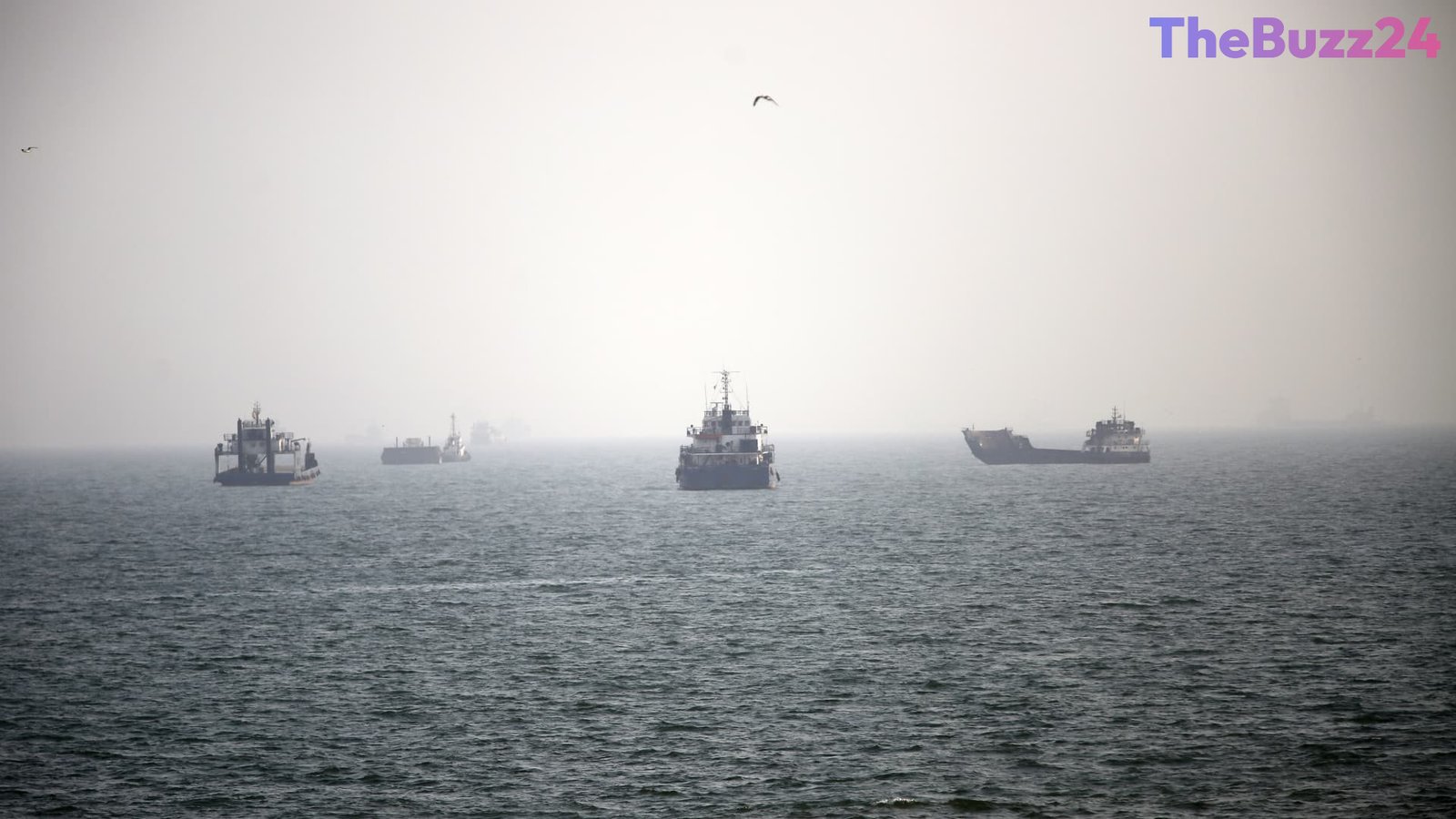
The recent market movements follow a three-hour diplomatic encounter at the UN headquarters. President Donald Trump described the talks as productive, though his earlier rhetoric included warnings regarding potential escalations if a comprehensive agreement cannot be reached. Meanwhile, reports indicate that potential reopening timelines for vital maritime choke points like the Strait of Hormuz remain contingent upon forthcoming decisions regarding economic sanctions and military positioning.
Energy analysts note that despite the persistent tensions, oil prices have faced downward pressure over preceding sessions, retreating from the psychological threshold above $100 a barrel. Regional mediation efforts continue to play a pivotal role in mitigating immediate supply shock risks, preventing dramatic spikes in global crude benchmarks as the international community monitors the unfolding negotiations.
Key Takeaways
- Global crude oil prices displayed mixed movement following a three-hour diplomatic meeting between U.S. and Iranian delegations at the United Nations.
- Brent crude increased by 0.36% to $99.57 a barrel, while West Texas Intermediate fell 0.44% to $90.12 a barrel.
- Markets are balancing hopes for a diplomatic resolution and potential reopening of the Strait of Hormuz against ongoing geopolitical threats and military tensions.
Editor’s Analysis & Impact
The delicate balance in current oil markets underscores how sensitive energy prices remain to Middle Eastern geopolitics. While diplomatic engagements at the UN provide temporary floors against extreme volatility, the lingering threat of military intervention or renewed sanctions creates persistent uncertainty for futures traders. The retreat of Brent crude from the $100 threshold indicates that market participants are becoming increasingly adept at pricing in regional mediation efforts, such as those involving Pakistan. However, any sudden shift in maritime security in the Strait of Hormuz could trigger rapid upward revisions in global energy costs. Looking ahead, sustained stability will heavily depend on tangible diplomatic outcomes rather than rhetoric alone, making energy markets a primary bellwether for international relations in the near term.
Frequently Asked Questions
Q: How did oil prices react to the U.S.-Iran meetings at the UN?
A: Oil prices experienced mixed results. International benchmark Brent crude rose slightly by 0.36% to $99.57 a barrel, while U.S. West Texas Intermediate fell 0.44% to $90.12 a barrel as investors weighed diplomacy against geopolitical threats.
Q: What factors are influencing the current stability of crude prices?
A: Prices are being influenced by a combination of diplomatic talks at the UN, potential reopening scenarios for the Strait of Hormuz, regional mediation efforts, and recent downward price corrections following consecutive sessions of losses.
AI Disclosure: This article is based on verified data and official reports. Our Team and AI have cross-referenced every financial detail with primary sources to ensure total accuracy.
More from this Category