Inside China’s Rapid Infrastructure Push to Dominate Global Artificial Intelligence
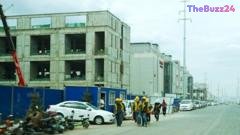
In the vast agricultural expanses of Inner Mongolia, a profound transformation is quietly taking place. Regions traditionally known for potato farming are rapidly turning into bustling construction hubs for massive, rectangular data centres designed to power the nation’s burgeoning artificial intelligence sector. Built at a staggering pace often described locally as “China speed,” these sprawling facilities represent a cornerstone of the country’s broader strategy to secure technological supremacy.
Artificial intelligence sits firmly at the core of a high-stakes global race, with the computing power housed inside these remote facilities playing a pivotal role. The government views these technological investments as vital to both economic vitality and national security, aiming to integrate artificial intelligence across the vast majority of industries by the end of the decade. Beyond physical infrastructure, the nation is successfully cultivating a robust talent pool, drawing back brilliant young researchers and engineers who previously studied or worked abroad amidst shifting international immigration policies.
While this aggressive push yields impressive technological advancements, it also brings complex socioeconomic challenges. Many of these data centres are strategically placed in sparsely populated northern and southwestern provinces to leverage cheaper land, cooler climates, and abundant renewable energy capacity like wind and solar power. However, reliance on a grid still partially supported by coal, combined with local water scarcity and the displacement of rural communities, has sparked quiet concerns among residents who feel disconnected from the high-tech boom.
As international leaders meet to discuss artificial intelligence safety, regulation, and the global distribution of advanced hardware, the race shows no signs of slowing down. While urban tech professionals celebrate a golden era of innovation, rural citizens continue to grapple with immediate economic realities, highlighting a stark divide between the country’s futuristic ambitions and everyday life.
Key Takeaways
- China is rapidly constructing massive data centres in rural regions like Inner Mongolia to power its expanding artificial intelligence ambitions.
- The nation is successfully retaining and attracting top-tier engineering and research talent, bolstering its domestic innovation ecosystem.
- Despite rapid technological growth, local communities face challenges such as environmental concerns, land displacement, and a disconnect from the high-tech economy.
Editor’s Analysis & Impact
The rapid deployment of artificial intelligence infrastructure in regions like Inner Mongolia underscores a decisive global race for technological supremacy. By leveraging geographic advantages such as cooler climates, cheaper land, and vast renewable energy reserves, large economies are aggressively scaling their computational capacity. However, this infrastructure boom highlights a complex dichotomy: while metropolitan tech sectors experience unprecedented innovation and talent retention, rural and traditional communities often feel alienated from the immediate benefits. As global policymakers grapple with safety standards, chip restrictions, and regulatory frameworks, the long-term success of these national artificial intelligence strategies will likely depend on balancing aggressive technological scaling with sustainable resource management and equitable economic integration.
Frequently Asked Questions
Q: Why are data centres being built in remote areas like Inner Mongolia?
A: Remote regions offer cheaper land, cooler ambient temperatures which reduce cooling costs, and close proximity to abundant renewable energy sources such as wind and solar power.
Q: How is talent acquisition shifting in the technology sector?
A: A growing number of young researchers and engineers are choosing to remain in or return to domestic institutions and high-tech programs, driven by expanding local resources and shifting international migration policies.
Q: What are some of the local concerns regarding the rapid construction of data centres?
A: Local residents have raised concerns about water scarcity in arid regions, potential land displacement, and a perceived disconnect between the high-tech boom and the immediate economic needs of traditional communities.
AI Disclosure: This article is based on verified data and official reports. Our Team and AI have cross-referenced every financial detail with primary sources to ensure total accuracy.
More from this Category