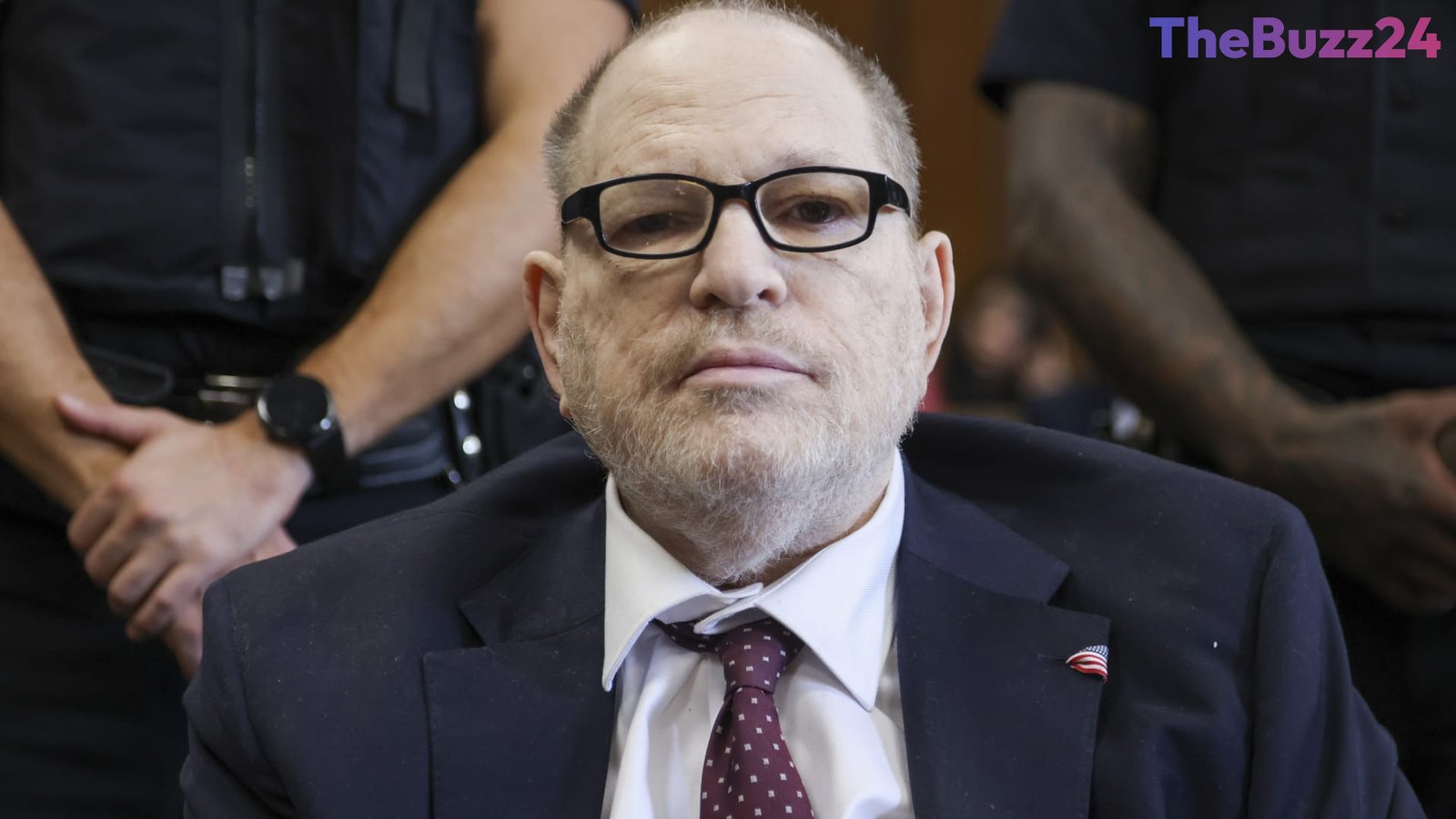
Harvey Weinstein Sentenced to 15 Years in New York Sex Crime Case
Former film mogul Harvey Weinstein has been sentenced to 15 years in prison following his conviction for a 2006 felony sex crime in Manhattan. The sentencing marks the latest development in a protracted legal battle that began after the 2017 emergence of the #MeToo movement, which fundamentally altered the landscape of the entertainment industry. Weinstein, once a titan of Hollywood, was found guilty during a retrial after his initial 2020 conviction was overturned by New York’s highest court.
The victim, Miriam Haley, a former television production assistant, provided harrowing testimony regarding the 2006 assault at Weinstein’s apartment. During the proceedings, Haley described the lasting psychological impact of the encounter, stating that the trauma has fundamentally altered her sense of security. While Weinstein offered a brief apology in court, he maintained his innocence, a stance that drew visible frustration from several of his accusers present in the courtroom.
Judge Curtis Farber delivered a stern rebuke during the sentencing, characterizing Weinstein as a “sexual predator” who treated women as disposable objects. The judge noted that while Weinstein’s professional legacy once included Oscar-winning films, he is now defined by his actions against women. Despite defense arguments citing Weinstein’s declining health—including reports of blood cancer and heart failure—the court proceeded with the 15-year term. Weinstein, who has already served six years, is expected to appeal the decision and faces further legal proceedings in California.
Legal experts and advocates suggest that this sentencing reinforces the ongoing shift in accountability for powerful figures. While the defense sought leniency based on the defendant’s age and medical condition, the court’s decision underscores a judicial commitment to addressing historical sexual violence. As Weinstein remains in a medical unit, the case continues to serve as a focal point for discussions regarding justice, victim advocacy, and the long-term cultural impact of the #MeToo era.
Key Takeaways
- Harvey Weinstein received a 15-year prison sentence for a 2006 sexual assault conviction in New York.
- The sentencing follows a complex legal history, including a previous conviction that was overturned and a subsequent retrial.
- Despite Weinstein's defense team citing severe health issues, the judge emphasized the defendant's lack of accountability and his role as a "sexual predator."
Editor’s Analysis & Impact
The sentencing of Harvey Weinstein represents a significant milestone in the post-#MeToo legal landscape. From a market perspective, the case has permanently altered the power dynamics within the entertainment industry, forcing studios and production houses to adopt more rigorous compliance and HR standards. The broader implication is a shift in judicial precedent, where historical allegations are increasingly being met with substantive prison time, regardless of the defendant’s former status or influence. Future outlooks suggest that legal systems will continue to face pressure to expedite cases involving high-profile figures, while the defense will likely lean heavily on medical and age-related arguments to mitigate sentencing. This case remains a bellwether for how society and the law reconcile the professional achievements of public figures with their personal conduct.
Frequently Asked Questions
Q: Why was Harvey Weinstein sentenced again?
A: Weinstein was sentenced again because his original 2020 conviction was overturned by New York's highest court, necessitating a retrial where he was found guilty of the same charges.
Q: What is the current status of Weinstein's health?
A: His defense team has stated that he is suffering from multiple serious conditions, including blood cancer, congestive heart failure, and kidney issues, and he is currently being housed in a medical unit at a hospital.
AI Disclosure: This article is based on verified data and official reports. Our Team and AI have cross-referenced every financial detail with primary sources to ensure total accuracy.
More from this Category