Meta Unveils Lightweight VR Glasses Featuring IMAX Integration
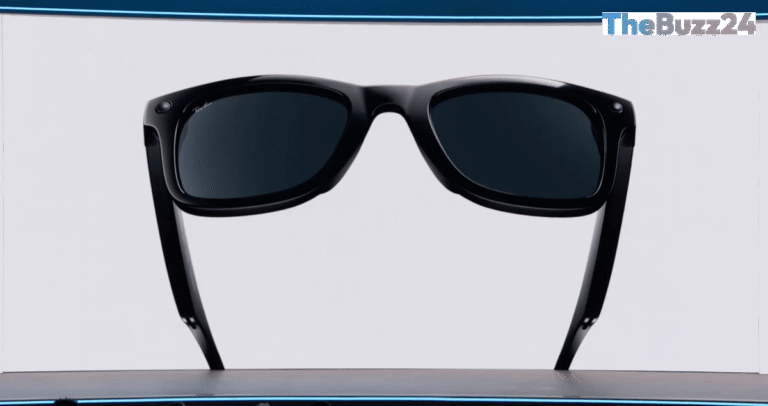
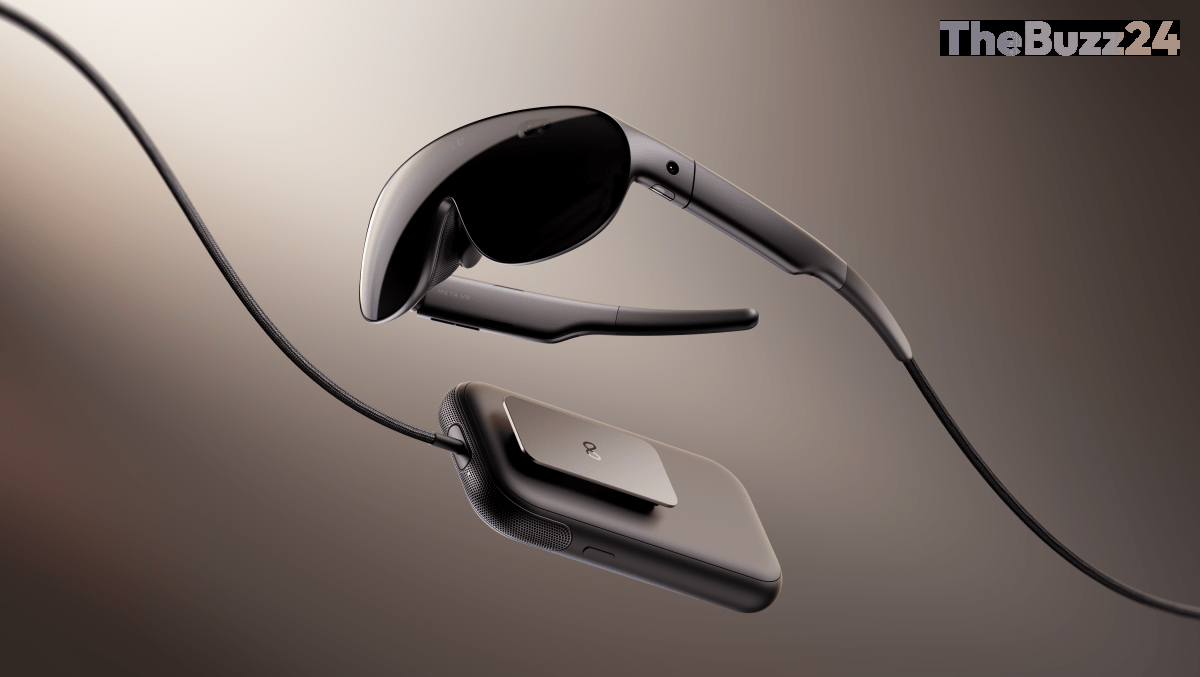
Meta has officially entered a new phase of its virtual reality strategy with the announcement of its latest wearable device, designed to bridge the gap between bulky headsets and everyday eyewear. Set for release next spring with a starting price of $1,299.99, these new glasses represent a significant shift in the company’s hardware philosophy. By prioritizing a lightweight magnesium alloy frame and a portable computing puck, Meta aims to offer high-end immersion without the physical strain associated with traditional VR headsets.
During the unveiling, CEO Mark Zuckerberg highlighted the device as a major technological breakthrough, noting that the company has moved away from its previous focus on the Metaverse to prioritize practical, high-resolution augmented reality experiences. The glasses are powered by the Qualcomm Snapdragon Reality Elite processor and feature Micro-OLED panels that deliver a 5K Infinite Display. This hardware configuration is designed to provide a sense of presence while maintaining a form factor that is five times lighter than the existing Meta Quest 3.
Beyond the hardware, Meta is positioning these glasses as a premium entertainment hub. In a notable industry partnership, the device has been certified as the first IMAX-enhanced VR product, allowing users to experience expanded aspect ratios and high-resolution cinema at home. Furthermore, the integration of Meta AI enables hands-free control through voice commands and gestures, while a collaboration with Disney+ will bring 3D Marvel content to the platform, effectively transforming a user’s physical environment into an immersive cinematic space.
Key Takeaways
- Meta is launching new, lightweight VR glasses next spring priced at $1,299.99, featuring a magnesium alloy frame and a pocketable computing puck.
- The device is the first to receive IMAX-enhanced certification, offering users a high-resolution, expanded aspect ratio viewing experience.
- The glasses integrate Meta AI for voice and gesture control and will support 3D streaming content through partnerships with services like Disney+.
Editor’s Analysis & Impact
Meta’s pivot toward lightweight, glasses-style hardware is a calculated move to overcome the ‘friction’ that has historically hindered mass-market VR adoption. By shedding the bulky aesthetic of the Quest series, Meta is attempting to position VR as a lifestyle entertainment product rather than a niche gaming peripheral. The IMAX partnership is particularly strategic, as it provides a clear, high-value use case for consumers who may be skeptical of VR gaming but are interested in premium home cinema. If successful, this device could set a new standard for wearable displays, forcing competitors to prioritize ergonomics and content partnerships. However, the $1,299 price point remains a significant barrier to entry, suggesting that Meta is currently targeting early adopters and tech enthusiasts rather than the general public.
Frequently Asked Questions
Q: How do these glasses differ from the Meta Quest 3?
A: The new glasses are five times lighter than the Meta Quest 3, utilize a magnesium alloy frame, and rely on a separate computing puck for processing and battery power, making them significantly more portable and comfortable for long-term wear.
Q: What makes these glasses 'IMAX-enhanced'?
A: The glasses are the first VR device to be certified as IMAX-enhanced, meaning they are specifically engineered to support the expanded aspect ratio and high-resolution visual standards associated with the IMAX cinematic experience.
AI Disclosure: This article is based on verified data and official reports. Our Team and AI have cross-referenced every financial detail with primary sources to ensure total accuracy.
More from this Category