Meta Goes All-In on Muse: AI Agent Gets Digital Avatars, Mac Integration, and Shopping Power
Meta is rapidly expanding the capabilities of its newly launched personal AI assistant, Muse, positioning the agent as a central pillar of its consumer technology ecosystem. At the company’s annual Connect event, CEO Mark Zuckerberg outlined an ambitious vision where Muse evolves into a “personal superintelligence” utilized by billions of people globally. Powered by the multimodal Muse Spark model, the assistant is designed to seamlessly automate daily tasks across various devices and digital accounts, with Meta offering the service free for a substantial volume of tokens while planning to monetize through transaction fees in the future.
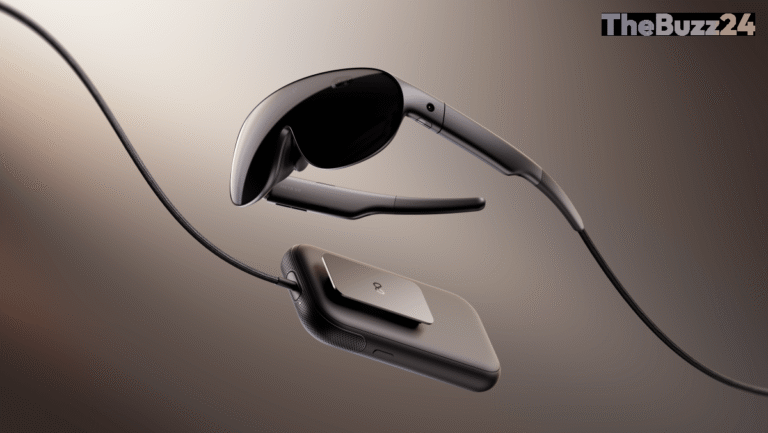
Among the most notable updates is the introduction of a lifelike digital avatar for Muse, powered by the new Muse Realtime Avatar model. This feature allows users to engage in real-time video chats with a personalized, voiced representation of their AI agent. Furthermore, Muse is set to integrate deeply with Meta’s smart glasses. Through simple voice commands, users can direct the agent to perform hands-free tasks such as guiding workouts, logging meals, and purchasing items on the go, with the AI working quietly in the background to complete these requests.
Expanding beyond mobile and wearable tech, Meta is bringing Muse’s operational capabilities to desktop environments, specifically macOS. The agent will soon be able to execute tasks directly on a user’s Mac, operating various applications to manage workflows or run small businesses autonomously. To facilitate this level of delegation, Muse will be assigned its own unique email address, allowing users to loop the AI into email threads or forward messages directly to it for automated handling.
To bolster Muse’s utility as a commercial assistant, Meta has secured major partnerships with financial and retail giants, including Shopify, Stripe, PayPal, Walmart, and Target. These integrations enable Muse to access product catalogs and execute purchases securely via services like Shop Pay. Additionally, Meta has opened its platform to third-party developers, receiving over 1,500 applications in the first week alone to build custom “connectors,” signaling strong industry interest in this emerging AI ecosystem.
Key Takeaways
- Meta is positioning its Muse AI agent as a 'personal superintelligence' designed to automate daily tasks across devices.
- New features include real-time video chatting with a digital avatar, hands-free smart glasses integration, and the ability to control Mac applications.
- Strategic partnerships with Shopify, Stripe, and major retailers will allow Muse to execute transactions, which Meta plans to monetize via small transaction fees.
Editor’s Analysis & Impact
Meta’s aggressive expansion of Muse represents a significant shift in the consumer AI landscape, moving from passive chatbots to active, agentic assistants. By integrating Muse across hardware (smart glasses), desktop operating systems (macOS), and e-commerce platforms (Shopify, Stripe), Meta is building a highly cohesive ecosystem that could challenge established players like Apple, Google, and OpenAI. The decision to offer Muse with a high free-token limit while targeting transaction-based monetization is a clever strategy to drive rapid adoption. If successful, this ecosystem could redefine how consumers interact with retail and digital services, turning the AI agent into a primary gatekeeper for online commerce. However, the success of this initiative will heavily rely on user trust regarding privacy, especially as Muse gains the ability to read emails and control desktop applications.
Frequently Asked Questions
Q: What is Meta's Muse AI agent?
A: Muse is Meta's personal AI assistant powered by the Muse Spark multimodal model, designed to automate everyday tasks, manage schedules, and interact across a user's devices and digital accounts.
Q: How will Muse integrate with desktop computers?
A: Muse is coming to Mac, where it will be able to operate desktop applications, manage workflows, and even use its own dedicated email address to handle tasks delegated by the user.
Q: How does Meta plan to monetize Muse?
A: While Muse will be free to use for a large number of tokens, Meta intends to generate revenue in the long term by taking a small transaction fee from purchases made through the agent's retail and e-commerce integrations.
AI Disclosure: This article is based on verified data and official reports. Our Team and AI have cross-referenced every financial detail with primary sources to ensure total accuracy.
More from this Category