Aviation Industry Grapples with Barrage of Hoax Bomb Threats
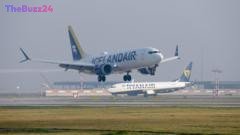
The global airline industry is confronting a significant security challenge following a concentrated series of bomb threats that have disrupted flights across Europe. In a span of just four days, at least 32 separate threats targeted a dozen different airlines, forcing emergency protocols and causing considerable operational strain. While all incidents have thus far been confirmed as hoaxes, the sheer volume and the necessity of treating each threat with utmost seriousness have created a complex situation for carriers.
The nature of these threats varied, with some originating from phone calls and others through email communications. Regardless of the source, aviation authorities and airlines were compelled to implement stringent safety measures. These actions included diverting flights to alternative airports, sometimes thousands of kilometers from their intended destinations, and in one notable instance, an Aer Lingus flight was rerouted to a military airbase due to dwindling fuel reserves. Passengers on affected flights often remained unaware of the unfolding situation until directed to disembark, a measure taken to prevent widespread panic.
Experts emphasize that airlines have established protocols to manage such emergencies, involving thorough inspections and security sweeps upon landing. Marco Chan, an aviation expert and former pilot, explained that while these procedures cause disruption, passenger safety remains the paramount concern. The financial impact on airlines, though present, is considered manageable given that flight diversions for various reasons, including technical issues or weather, are a regular occurrence. Aviation security expert Paul Mason noted that the costs associated with these hoaxes are unlikely to be recoverable by passengers, as the incidents are not the fault of the airlines.
The most concerning aspect of this recent spate of threats is their seemingly random targeting and the difficulty in identifying the perpetrators. While a fringe group initially claimed responsibility for some incidents, this has been largely unsubstantiated. Security analysts suggest the coordinated nature of these threats could indicate a form of hybrid warfare, designed to sow chaos and disruption with a degree of plausible deniability. The sophistication of the methods used makes tracing the origin challenging, posing a significant hurdle for law enforcement and security agencies. Authorities are reminding the public that intentionally communicating false threats that endanger aircraft is a serious criminal offense, carrying a maximum penalty of life imprisonment.
Key Takeaways
- A wave of 32 hoax bomb threats has significantly disrupted operations for a dozen European airlines in just four days.
- Airlines are forced to treat every threat seriously, leading to flight diversions, emergency landings, and thorough security inspections, despite all threats being hoaxes.
- The coordinated nature and difficulty in tracing the perpetrators suggest potential hybrid warfare tactics, with severe legal penalties for those found responsible.
Editor’s Analysis & Impact
This recent surge in hoax bomb threats presents a multifaceted challenge for the aviation sector. Beyond the immediate operational disruptions and associated costs, the incidents highlight vulnerabilities in communication security and the potential for malicious actors to exploit them for disruptive purposes. The difficulty in tracing the perpetrators, potentially employing sophisticated techniques, raises concerns about state-sponsored or ideologically motivated hybrid warfare tactics aimed at destabilizing critical infrastructure. While airlines are adept at managing diversions, the psychological impact on passengers and the ongoing security vigilance required represent a significant, albeit necessary, burden. The severe legal repercussions for making such threats serve as a deterrent, but the underlying motivations and the ease with which disruption can be caused warrant continued investigation and enhanced security measures.
Frequently Asked Questions
Q: What are the consequences for making a hoax bomb threat to an aircraft?
A: Intentionally communicating false information that endangers or is likely to endanger the safety of an aircraft in flight is a serious criminal offense. In many jurisdictions, the maximum penalty for such an act can be life imprisonment.
Q: Can passengers get refunds for flights disrupted by hoax bomb threats?
A: Generally, passengers are unlikely to receive refunds for disruptions caused by hoax bomb threats. These incidents are typically considered beyond the airline's control, and compensation policies usually cover issues directly attributable to the airline's operations.
Q: How do airlines handle bomb threats?
A: Airlines follow strict protocols for bomb threats, which usually involve treating every threat as credible. This can include diverting the flight to an alternate airport, conducting thorough security inspections of the aircraft and its cargo, and potentially involving law enforcement and bomb disposal units. Passenger safety is the top priority, even if it leads to significant delays and disruptions.
AI Disclosure: This article is based on verified data and official reports. Our Team and AI have cross-referenced every financial detail with primary sources to ensure total accuracy.
More from this Category