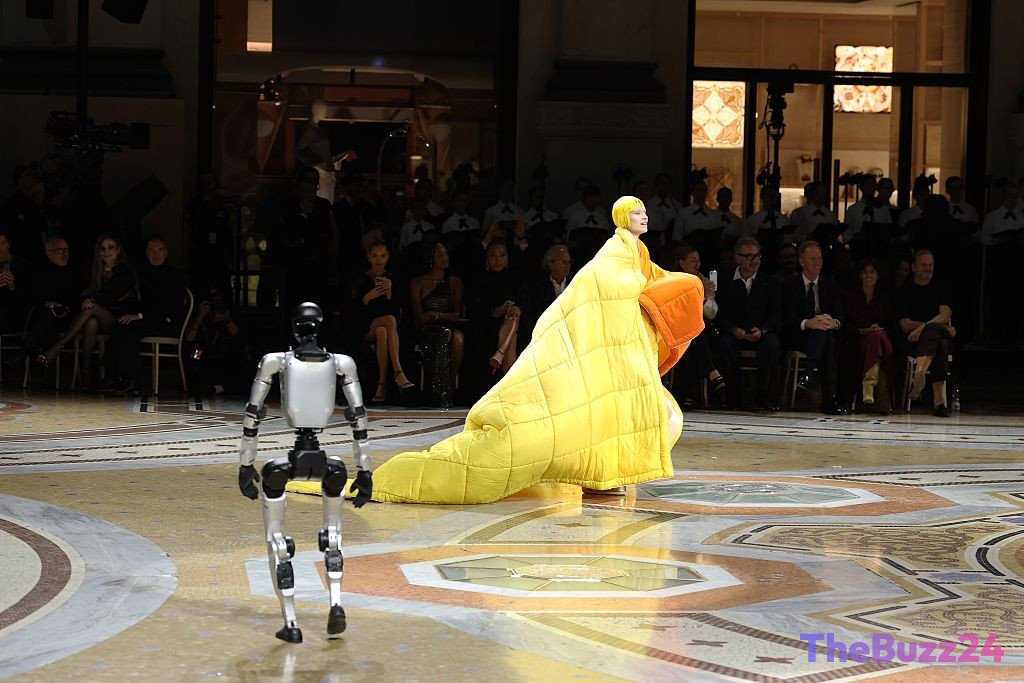
Vogue World’s Robot Runway Stumbles: Fashion’s Tech Integration Sparks Backlash
Vogue World’s recent Milan event concluded with a controversial display featuring humanoid robots, a move that has ignited debate about the integration of technology into the fashion industry. The annual spectacle, known for its blend of runway, celebrity appearances, and commercial partnerships, is slated to head to San Francisco next year, a city synonymous with technological innovation.
This year’s Milan edition, themed as a celebration of Italian craftsmanship and the “human touch” in an era dominated by technology, presented a segment titled “The Age of Intelligence.” During this act, robots from Chinese firm Unitree paraded down the Galleria, their unclad forms and awkward movements drawing significant attention, often overshadowing the fashion itself. The visual of a prominent fashion figure, Alessandro Michele, appearing visibly dismayed by the robotic performance quickly became a viral moment, encapsulating the mixed reactions to the segment.
The inclusion of robots, which have previously garnered attention for their dance capabilities and occasional malfunctions, has led to widespread discussion. While some see it as a forward-thinking exploration of fashion and technology, others, including industry professionals and commentators, have expressed skepticism and even dismay. Concerns range from the perceived lack of genuine innovation in the robotic display to broader anxieties about job displacement, the ethical implications of artificial intelligence, and the widening gap between tech elites and the general public, particularly during challenging economic times.
The partnership between Vogue and the tech industry, underscored by sponsorships from companies like Meta Glasses and OpenAI, highlights a strategic alignment with Silicon Valley’s influential figures. This collaboration, while potentially lucrative for both parties, has raised questions about the authenticity of fashion’s embrace of technology. Critics argue that such displays, like the robotic performance, fail to represent the cutting edge of technological advancements in design and art, which include sophisticated AI applications and novel material science, as exemplified by artists merging engineering with creative expression.
Key Takeaways
- Vogue World's recent Milan event featured a controversial robot performance that overshadowed the fashion, sparking public backlash.
- The event's integration of technology, particularly robots, has raised concerns about job displacement, AI ethics, and the fashion industry's relationship with tech giants.
- Critics argue that the robotic display lacked genuine innovation and failed to represent the true potential of technology in fashion and art.
Editor’s Analysis & Impact
Vogue World’s foray into robotic runway models highlights a complex and often contentious intersection between high fashion and cutting-edge technology. While the magazine aims to showcase innovation and attract tech industry partnerships, the Milan incident reveals a public disconnect and skepticism towards overt technological integration. This event underscores a broader industry trend where brands leverage technology for spectacle and commercial gain, sometimes at the expense of authentic artistic expression or genuine public engagement. The backlash suggests that while technology is undeniably shaping fashion’s future, its implementation requires a more nuanced approach that resonates with consumer values and addresses societal concerns, rather than simply showcasing novelty.
Frequently Asked Questions
Q: Why did Vogue World use robots in its Milan show?
A: The robots were part of a segment titled 'The Age of Intelligence,' presented as a way to explore the intersection of technology and fashion. However, the specific choice and execution of the robotic performance drew criticism and debate.
Q: What was the public's reaction to the robots at Vogue World Milan?
A: The reaction was largely negative and critical. Many attendees and online commentators expressed dismay, finding the performance awkward and out of place, especially given the event's theme of 'human touch.' A viral moment involved fashion figure Alessandro Michele appearing visibly unimpressed.
Q: What are the broader implications of technology in the fashion industry, as suggested by this event?
A: This event highlights ongoing discussions about how technology, including AI and robotics, is being integrated into fashion. It raises questions about genuine innovation versus spectacle, potential job displacement, ethical considerations, and the relationship between fashion publications and powerful tech companies.
AI Disclosure: This article is based on verified data and official reports. Our Team and AI have cross-referenced every financial detail with primary sources to ensure total accuracy.
More from this Category