Meta Pivots to Audio-First Wearables with New Camera-Free Smart Glasses
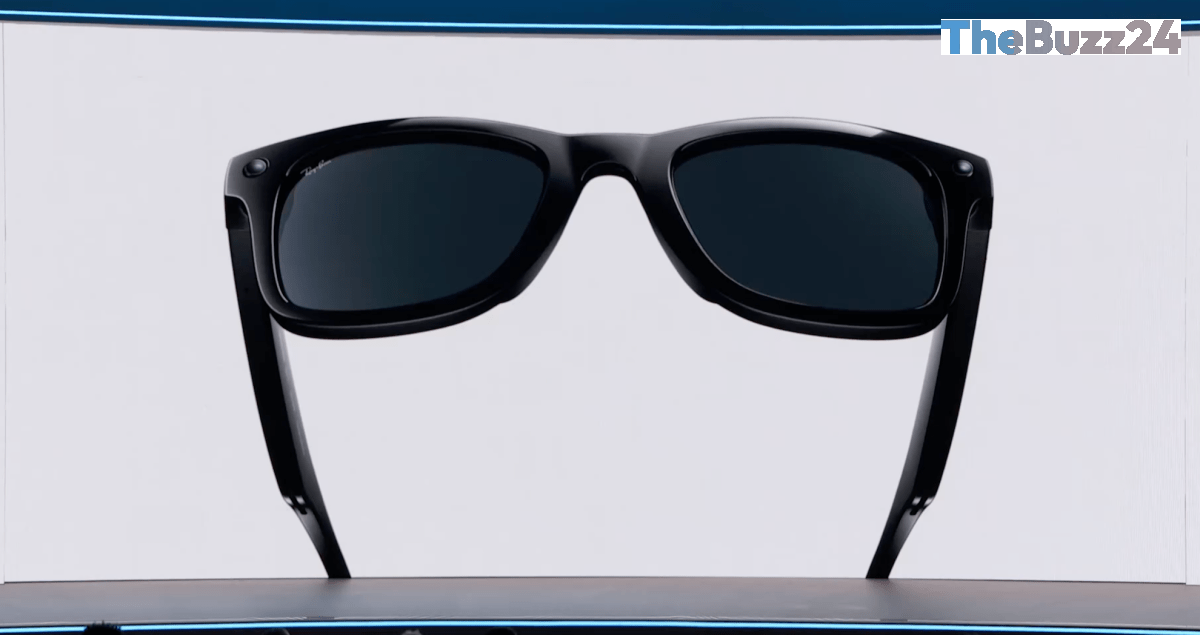
Meta has officially unveiled its latest innovation in wearable technology: the Ray-Ban Meta Audio glasses. Debuted at the company’s Connect 2026 conference, these glasses represent a strategic shift for the tech giant, focusing entirely on audio capabilities while omitting cameras. By removing the recording hardware, Meta aims to address privacy concerns that have plagued previous iterations of its smart eyewear, which faced significant backlash regarding unauthorized recording and surveillance.
Developed in collaboration with EssilorLuxottica, the new audio-only glasses are designed for seamless integration into daily life, allowing users to stream music, manage phone calls, and interact with Meta’s proprietary AI assistant, Muse. The absence of camera modules allows for a more streamlined design, weighing in at just 43 grams. The device features adjustable temple tips and swappable nose pads, with a battery life of up to 12 hours, extending to 48 hours when used with the included charging case.
Beyond the audio-only model, Meta also introduced its third-generation camera-equipped smart glasses, expanding the lineup with new styles like the Aviator and Zena. These updated models boast a 12 MP camera capable of 3K Ultra HD video recording. Both the audio-only and camera-enabled versions will feature access to the Muse AI assistant, with Meta promising future software updates that include hearing enhancement features and enhanced data privacy protocols through a new ‘private processing’ initiative.
Preorders for the new audio-focused glasses are scheduled to begin on October 13. With a starting price of $349 and a wide array of style combinations, Meta is positioning these wearables as a direct competitor to high-end audio devices like Apple’s AirPods, betting that consumers will prioritize comfort and high-fidelity sound over the controversial recording features of earlier models.
Key Takeaways
- Meta has launched a camera-free version of its smart glasses to mitigate privacy concerns and broaden consumer appeal.
- The new audio-only glasses weigh 43 grams and offer up to 48 hours of battery life with the charging case.
- Meta also announced the third generation of its camera-equipped glasses, featuring 3K video capabilities and new frame styles.
Editor’s Analysis & Impact
Meta’s decision to launch a camera-free wearable is a calculated move to rehabilitate the brand’s image in the smart eyewear market. By distancing itself from the ‘surveillance’ stigma associated with its previous models, Meta is attempting to transition from a niche gadget maker to a mainstream lifestyle brand. This pivot mirrors the trajectory of high-end audio wearables, where utility and comfort often outweigh complex features. If successful, this strategy could normalize AI-integrated eyewear as a standard accessory rather than a controversial tech experiment. However, the company still faces the challenge of proving that its Muse AI assistant provides enough value to justify the $349 price point in a crowded market of high-quality wireless earbuds and traditional designer frames.
Frequently Asked Questions
Q: Why did Meta decide to release a camera-free version of its glasses?
A: The camera-free model was designed to address privacy concerns and negative public perception regarding the potential for unauthorized recording with previous smart glasses.
Q: What are the primary features of the new Ray-Ban Meta Audio glasses?
A: The glasses allow for music streaming, phone calls, and interaction with the Muse AI assistant. They feature a lightweight 43-gram design, adjustable components, and a battery life of up to 48 hours with the charging case.
AI Disclosure: This article is based on verified data and official reports. Our Team and AI have cross-referenced every financial detail with primary sources to ensure total accuracy.
More from this Category