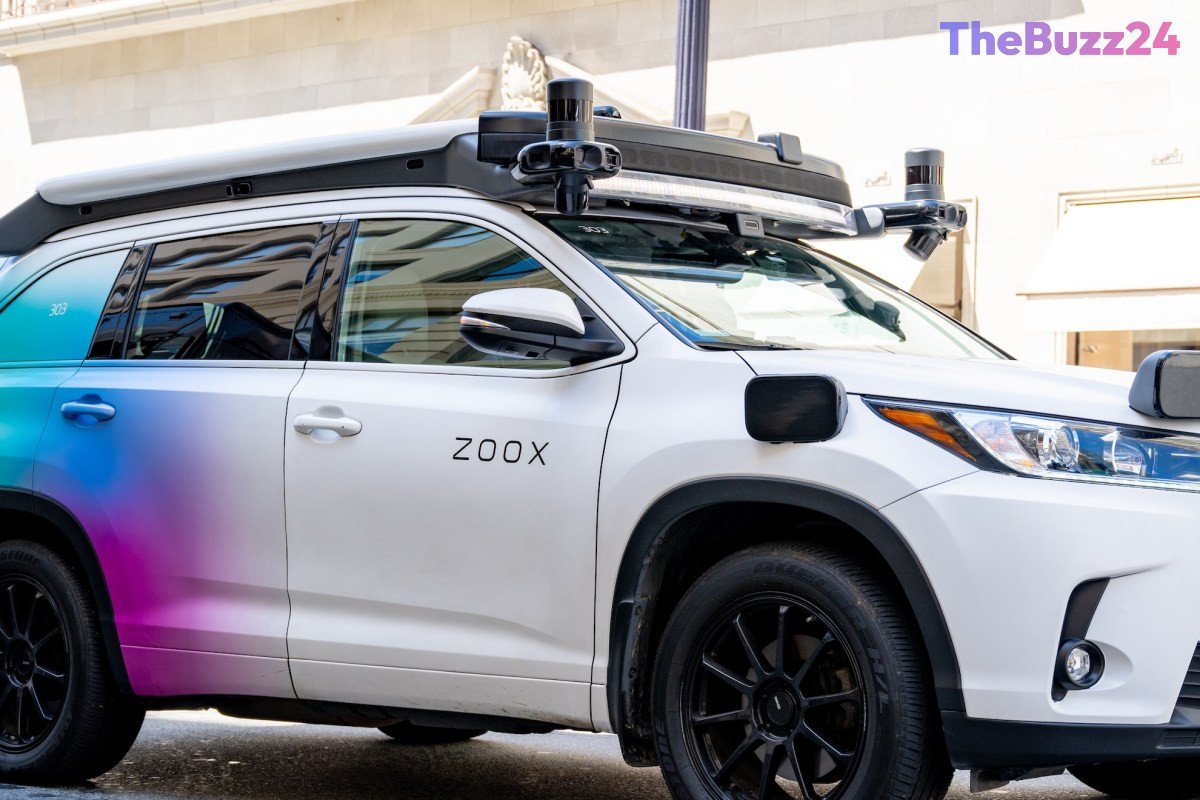
Zoox Halts Atlanta Test Fleet After Workers Fall Ill From Suspected Gas Exposure
Autonomous vehicle developer Zoox has temporarily suspended operations for its test vehicle fleet in Atlanta following a series of incidents where safety drivers experienced symptoms consistent with toxic gas exposure. The developments prompted an official inquiry by federal regulators after multiple workers reported falling ill inside modified sport utility vehicles used for testing.
Internal accounts and regulatory filings indicate that nearly three dozen workers may have encountered hazardous conditions, with symptoms including nausea, vomiting, and lightheadedness. The issues first surfaced when a group of contractors testing a vehicle reported unusual odors and acute physical discomfort. Despite seeking medical attention and notifying management, some employees alleged they were instructed to resume testing in alternative vehicles later the same day, where similar symptoms subsequently reappeared.
The safety concerns drew the attention of the Occupational Safety and Health Administration, which initiated an inquiry and instructed the company to conduct a thorough investigation. In response, the autonomous vehicle firm quarantined the affected test fleet and reduced operations at its northwest Atlanta facility. While the company utilizes all-electric, custom-built robotaxis in other markets, its testing operations in Atlanta rely on modified internal combustion vehicles to maintain sensor calibration and computing systems.
In communications with federal regulators, company representatives outlined various steps taken to address the situation, including testing vehicle exhaust systems, replacing 12-volt batteries, and planning the installation of advanced atmospheric monitoring devices inside the cabins. Following these preliminary safety measures and consultations with medical experts, the regulatory inquiry was subsequently closed, while the company continues to evaluate operational protocols before resuming its regional testing program.
Key Takeaways
- Zoox grounded its autonomous test vehicle fleet in Atlanta following employee reports of illness and suspected gas exposure.
- Federal safety regulators opened an inquiry into the incidents, which potentially impacted dozens of workers.
- The company responded by quarantining vehicles, replacing batteries, planning cabin monitor installations, and cooperating with investigators.
Editor’s Analysis & Impact
The temporary grounding of Zoox’s test fleet in Atlanta highlights the complex operational and human capital challenges facing autonomous vehicle developers as they scale testing programs across multiple cities. Unlike competitors utilizing exclusively electric vehicle fleets, Zoox’s reliance on modified traditional combustion vehicles for certain testing phases introduces unique risks related to cabin air quality and exhaust management. This incident underscores the critical importance of robust internal safety protocols and responsive management when dealing with occupational health hazards. As regulatory scrutiny intensifies across the autonomous driving sector—with agencies closely monitoring driver safety and vehicle modifications—companies must balance rapid market expansion with stringent worker protection standards to maintain public and regulatory trust.
Frequently Asked Questions
Q: Why did Zoox ground its Atlanta test fleet?
A: Operations were halted after multiple safety drivers and contractors reported falling ill with symptoms like nausea and lightheadedness, prompting an OSHA inquiry into potential toxic gas exposure.
Q: What kind of vehicles were involved in the incidents?
A: The affected vehicles were modified internal combustion sport utility vehicles used for testing, rather than the company's custom-built, all-electric robotaxis.
Q: How has the company responded to the safety concerns?
A: The company quarantined the impacted vehicles, inspected exhaust and battery systems, consulted medical experts, and announced plans to install specialized atmospheric monitors in its test vehicles.
AI Disclosure: This article is based on verified data and official reports. Our Team and AI have cross-referenced every financial detail with primary sources to ensure total accuracy.
More from this Category