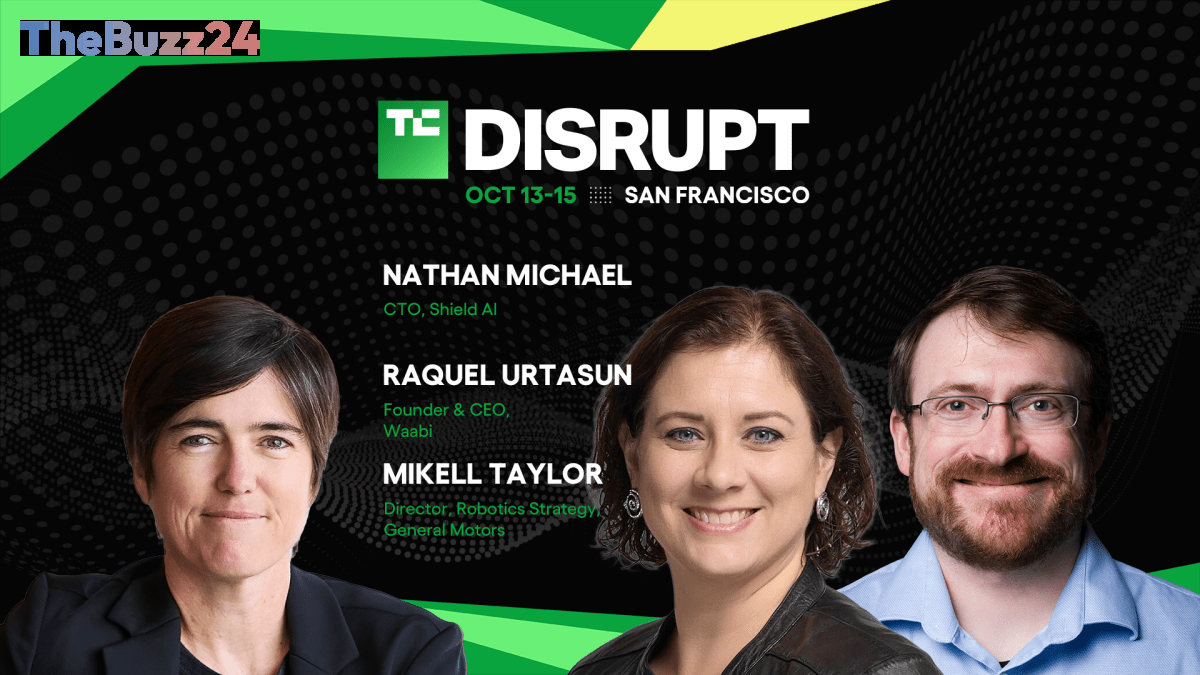
AI in the Real World: Leaders Discuss Building Trustworthy Autonomous Systems at TechCrunch Disrupt
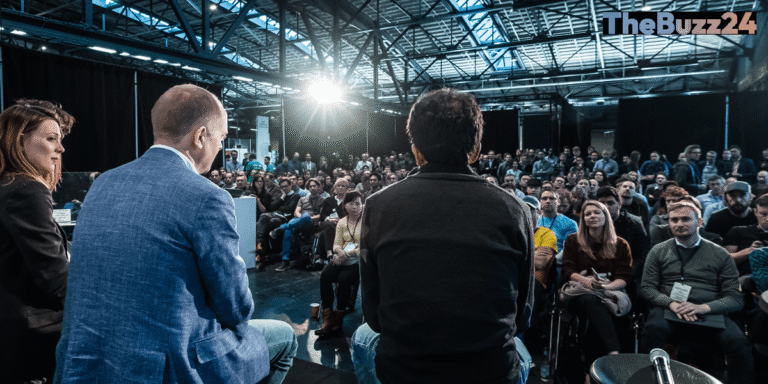
The critical question of when artificial intelligence (AI) is truly ready for deployment in high-stakes physical environments will be a central theme at TechCrunch Disrupt 2026. Leaders from Shield AI, Waabi, and General Motors are set to convene on the Real World AI Stage to discuss the rigorous processes involved in developing autonomous systems where failure is not an option.
Nathan Michael, Chief Technology Officer at Shield AI, Raquel Urtasun, founder and CEO of Waabi, and Mikell Taylor, Director of Robotics Strategy at General Motors, will share insights into creating a robust safety culture, the intricacies of testing and validation, navigating regulatory landscapes, and ultimately, building public trust. Their discussion will focus on the unique challenges of moving AI from laboratory settings to real-world applications, where errors can have significant consequences, from grounding aircraft to causing vehicle accidents or compromising critical missions.
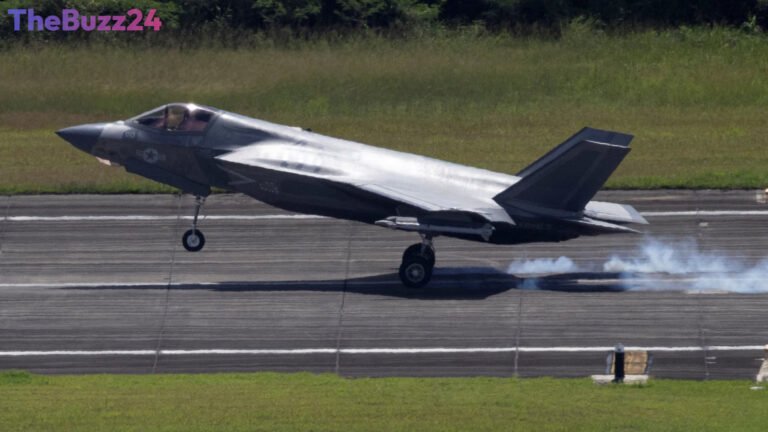
Shield AI, known for its Hivemind autonomy software, is actively involved in high-consequence sectors, including a recent selection for the U.S. Air Force’s Collaborative Combat Aircraft program. Meanwhile, Waabi, under Urtasun’s leadership, is advancing autonomous driving technology, aiming for large-scale deployment of robotaxis. General Motors, through Taylor’s direction, is focusing on practical and reliable robotics for industrial applications, emphasizing human-robot collaboration. The session promises a comparative look at how these diverse leaders approach the crucial decisions that differentiate a promising AI concept from a deployable, trustworthy system.
Key Takeaways
- AI leaders from Shield AI, Waabi, and General Motors will discuss building trustworthy autonomous systems at TechCrunch Disrupt 2026.
- The session will cover safety culture, testing, validation, regulatory hurdles, and public trust in AI deployment.
- The focus is on the transition of AI from lab environments to real-world applications where failure has significant consequences.
Editor’s Analysis & Impact
This session at TechCrunch Disrupt highlights a pivotal moment for AI development, moving beyond theoretical applications to tangible, real-world impact. The convergence of experts from defense, autonomous vehicles, and industrial robotics underscores the universal challenges in ensuring AI safety and reliability. As these technologies mature, the emphasis on rigorous validation, regulatory compliance, and public acceptance will be paramount for widespread adoption. The insights shared could significantly influence industry best practices and accelerate the responsible deployment of autonomous systems across various critical sectors, shaping the future of AI integration into our daily lives and industries.
Frequently Asked Questions
Q: What are the main challenges in deploying AI in the physical world?
A: The primary challenges include ensuring system safety and reliability, rigorous testing and validation to prevent failures, navigating complex regulatory frameworks, and building public trust in autonomous operations where mistakes can have severe consequences.
Q: Which companies and individuals are participating in this discussion?
A: The discussion features Nathan Michael (CTO, Shield AI), Raquel Urtasun (Founder & CEO, Waabi), and Mikell Taylor (Director of Robotics Strategy, General Motors).
Q: What is the significance of the 'failure is not an option' theme?
A: This theme emphasizes the critical need for extremely high levels of assurance and reliability in AI systems designed for environments like aviation, autonomous driving, and industrial robotics, where errors can lead to significant physical damage, injury, or mission failure.
AI Disclosure: This article is based on verified data and official reports. Our Team and AI have cross-referenced every financial detail with primary sources to ensure total accuracy.
More from this Category