Diplomatic Pageantry Masks Deep-Rooted Tensions in US-China Summit
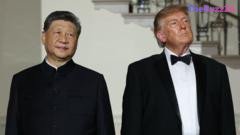
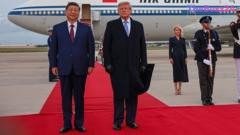
The recent high-profile summit between President Donald Trump and President Xi Jinping featured all the hallmarks of a major diplomatic breakthrough, including a lavish state banquet and the revival of ‘panda diplomacy.’ However, beneath the carefully curated optics and the warm reception in Washington, the core geopolitical and economic disputes between the two superpowers remain largely unresolved. While the leaders successfully extended a trade truce, the agreement only pushes critical negotiations regarding tariffs, rare earth mineral supplies, and advanced semiconductor access into early next year.
For Beijing, the stakes are particularly high as the Chinese economy faces significant domestic headwinds, including stagnant consumer spending, a struggling property sector, and elevated youth unemployment. Securing stable access to American markets is essential for Xi to maintain economic growth, yet the administration in Washington appears unwilling to offer long-term concessions without further structural changes from China. This dynamic has left key trade issues in a state of limbo, with both sides waiting for the other to blink first.
Beyond trade, the meeting highlighted the persistent friction over Taiwan and the emerging challenge of artificial intelligence regulation. While Xi reiterated that US arms sales to Taiwan represent a ‘red line’ for Beijing, the US remains committed to its legislative obligations to support the island’s defense. Furthermore, despite global concerns regarding the safety of AI development, the two leaders failed to produce concrete policy frameworks, reflecting a fundamental divide in how the two nations perceive the risks associated with rapid technological advancement.
Ultimately, while the summit served to bolster Xi’s image as a global peer to the American president, the underlying competition remains intense. The pageantry and personal rapport displayed during the visit may provide a temporary buffer against escalation, but the fundamental rivalry between the world’s two largest economies continues to define the current international landscape.
Key Takeaways
- The US-China trade truce has been extended only until January, delaying resolution on critical issues like tariffs and semiconductor access.
- China is facing significant domestic economic pressure, making the preservation of export markets a top priority for President Xi.
- Despite high-level discussions, no concrete agreements were reached regarding AI safety or the long-standing tensions surrounding Taiwan.
Editor’s Analysis & Impact
The summit between Trump and Xi illustrates the ‘theatre of diplomacy’ where symbolic gestures are used to manage domestic perceptions while substantive policy shifts remain elusive. From a market perspective, the short-term extension of the trade truce provides a temporary reprieve for global supply chains, but the lack of a long-term roadmap creates persistent uncertainty for investors in the tech and manufacturing sectors. The broader implication is that the US-China relationship has entered a ‘managed competition’ phase. Both nations are prioritizing national security and domestic stability over economic integration. Future outlooks suggest that until either side faces a catastrophic economic trigger, the status quo of ‘pomp with little progress’ is likely to continue, with both leaders using these meetings primarily to signal strength to their respective domestic audiences.
Frequently Asked Questions
Q: What was the outcome of the trade negotiations during the summit?
A: The existing trade truce was extended by a few months, moving the deadline for further negotiations from November to January.
Q: Did the leaders reach an agreement on AI safety?
A: No concrete agreements were made. While the topic was discussed, the two leaders did not establish any formal safeguards or summits to address the risks of AI development.
AI Disclosure: This article is based on verified data and official reports. Our Team and AI have cross-referenced every financial detail with primary sources to ensure total accuracy.
More from this Category