Diplomatic Stalemate or Strategic Pause? Xi Jinping and Donald Trump Extend Tariff Truce in Washington
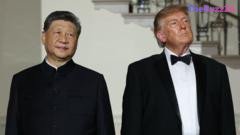
In a high-profile diplomatic summit in Washington, Chinese President Xi Jinping and U.S. President Donald Trump met to navigate the increasingly complex relationship between the world’s two largest economies. The meeting, characterized by significant ceremonial displays, aimed to address the ongoing tensions that have defined recent bilateral relations.
While the summit featured several symbolic gestures—most notably the presentation of Chinese pandas to signify goodwill—the discussions did not result in a fundamental shift in the geopolitical landscape. Instead, the leaders focused on maintaining a fragile stability through incremental agreements rather than sweeping policy changes.
A significant outcome of the talks was the commitment to a two-month extension of the existing tariff truce. This decision provides a temporary reprieve for international markets and businesses caught in the crossfire of the ongoing trade dispute, offering a window for further dialogue.
Despite the extension, the lack of major structural movements suggests that the core issues driving the friction between Washington and Beijing remain unresolved. The summit appears to have been a calculated effort to manage tensions and prevent immediate escalation, rather than a definitive step toward a comprehensive resolution of trade and political disagreements.
Key Takeaways
- President Xi Jinping and President Donald Trump met in Washington to discuss bilateral relations.
- A two-month extension of the current tariff truce was agreed upon by both nations.
- The meeting focused on symbolic diplomacy and maintaining stability rather than implementing major policy shifts.
Editor’s Analysis & Impact
The meeting between Xi Jinping and Donald Trump represents a tactical pause rather than a strategic breakthrough. By extending the tariff truce for an additional two months, both nations are opting for stability over immediate confrontation, likely to allow for further economic assessment and diplomatic maneuvering. However, the absence of significant policy changes suggests that the underlying structural tensions between the United States and China remain unresolved. For global markets, this provides a much-needed period of predictability, but investors should remain cautious. The reliance on symbolic gestures indicates that while the relationship is being managed, the fundamental competition for economic and geopolitical dominance continues to drive the bilateral agenda. The coming months will be critical in determining if this truce leads to a lasting settlement or merely delays an inevitable escalation.
Frequently Asked Questions
Q: What was the primary result of the meeting between Xi Jinping and Donald Trump?
A: The most significant outcome was the agreement to extend the existing tariff truce for an additional two months.
Q: Did the meeting resolve the trade tensions between the US and China?
A: No, the meeting did not result in major policy changes or a permanent resolution; it served as a temporary extension of the current truce to maintain stability.
AI Disclosure: This article is based on verified data and official reports. Our Team and AI have cross-referenced every financial detail with primary sources to ensure total accuracy.
More from this Category