Iran Proposes Strait of Hormuz Reopening and Nuclear Talks Conditional on U.S. Action
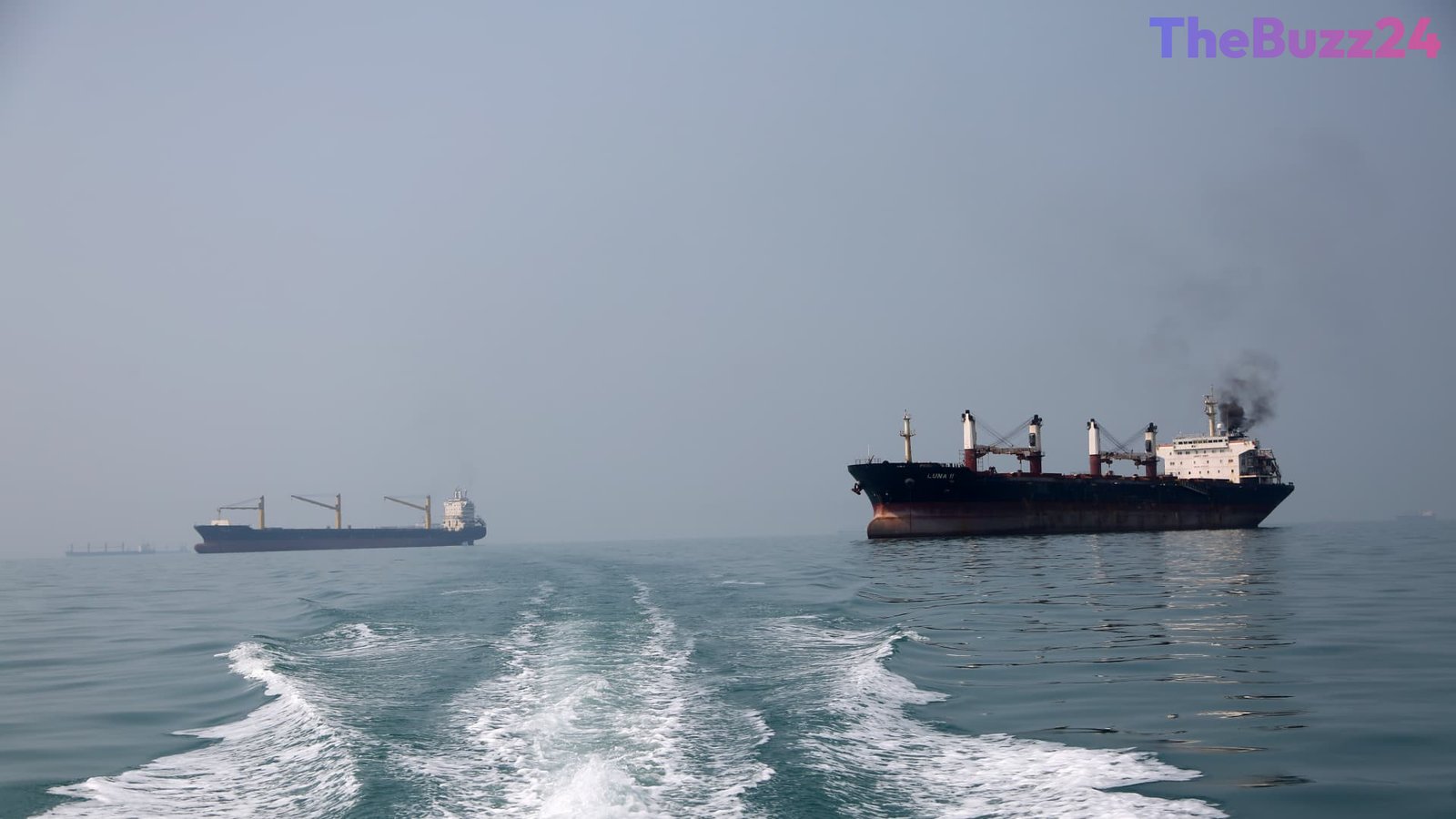
Tehran has signaled a willingness to unblock the critical Strait of Hormuz and re-engage in nuclear negotiations within a week, provided the U.S. government meets specific pre-conditions. This diplomatic overture coincides with heightened military activity across the region, including recent missile and drone incursions directed at Saudi infrastructure, which have severely disrupted maritime traffic and global energy markets.
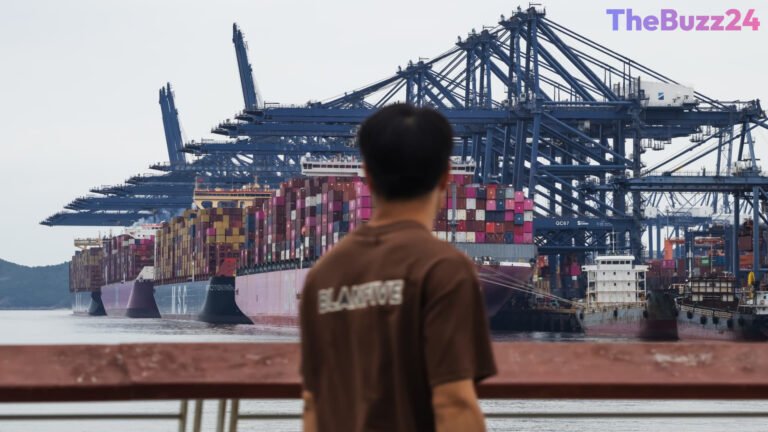
Foreign Minister Abbas Araghchi outlined the proposal during diplomatic meetings, emphasizing that the requested terms align with the previously discussed Islamabad Memorandum of Understanding. Despite these overtures, Washington has historically expressed reluctance to revert to the framework of that dissolved agreement. The ongoing standoff continues to weigh heavily on international commerce, with maritime transits through the vital trade corridor dropping precipitously compared to historical averages.
Concurrently, high-level international diplomacy is underway to de-escalate the seven-month conflict. Chinese leadership has actively engaged in discussions with the White House to help mediate a resolution. While regional authorities respond to escalating security threats and defense pacts are activated, the ultimate trajectory of the conflict remains tied to decisions made in Washington and Tehran regarding a mutually acceptable path forward.
Key Takeaways
- Iran has offered to reopen the Strait of Hormuz and resume nuclear talks within seven days if the U.S. meets specific conditions.
- The proposal follows the collapse of a prior June ceasefire agreement and ongoing hostilities involving regional militant groups.
- International diplomacy led by China is attempting to help mediate and de-escalate the multi-month conflict.
Editor’s Analysis & Impact
The conditional offer by Tehran to reopen the Strait of Hormuz marks a critical pivot point in a prolonged geopolitical conflict that has heavily strained global energy markets and maritime security. Because this chokepoint handles a significant fraction of the world’s petroleum supply, any prolonged disruption directly influences international crude pricing and supply chain stability. The involvement of external economic powers like China highlights the broader geopolitical stakes, transforming a localized Middle East conflict into a multilateral diplomatic challenge. Moving forward, the willingness of the U.S. administration to entertain these conditions—or to seek alternative security arrangements alongside regional allies—will dictate whether energy corridors return to normal operations or if market volatility persists.
Frequently Asked Questions
Q: What are Iran's conditions for reopening the Strait of Hormuz?
A: Iran has stated that it will reopen the strait and resume nuclear talks if the U.S. meets conditions outlined in the previously established Islamabad Memorandum of Understanding.
Q: How has the conflict impacted global oil markets?
A: The drastic reduction of vessel transits through the Strait of Hormuz has created severe supply chain bottlenecks, causing fluctuations in international crude benchmarks such as Brent and West Texas Intermediate futures.
Q: What role is China playing in the current diplomatic efforts?
A: Chinese leadership has engaged in high-level talks with the U.S. administration to help broker a resolution and cool down the regional conflict.
AI Disclosure: This article is based on verified data and official reports. Our Team and AI have cross-referenced every financial detail with primary sources to ensure total accuracy.
More from this Category