Navigating the Future: Xi Urges U.S. Collaboration on Artificial Intelligence
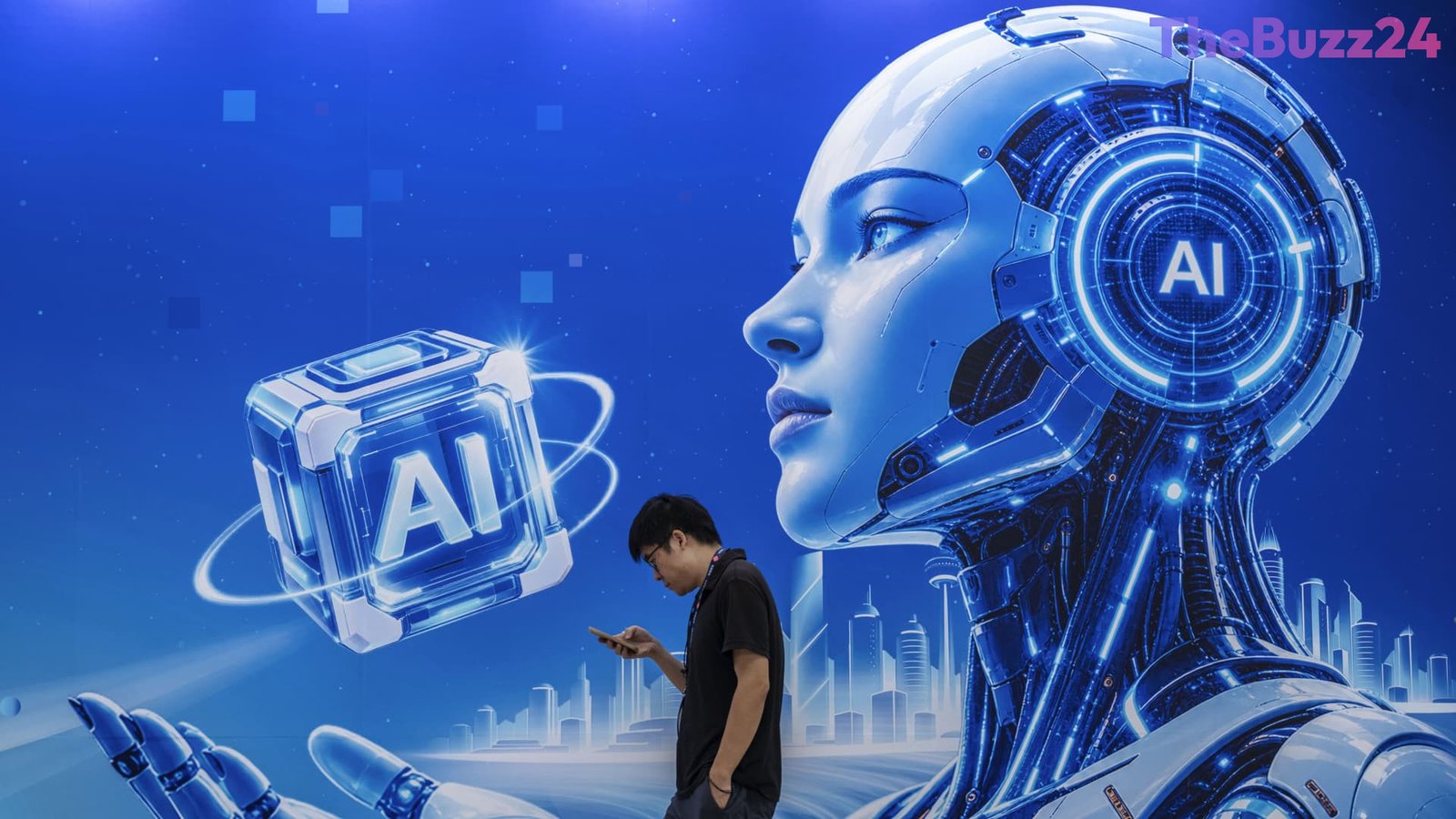
During a high-profile meeting at the White House, Chinese President Xi Jinping emphasized the necessity for the United States and China to find common ground on artificial intelligence. Highlighting that opportunities for collaboration vastly outweigh competitive frictions, the Chinese leader advocated for open dialogue to address both the potential rewards and inherent risks associated with rapidly advancing machine learning technologies.
The discussions come amid complex technological tensions, particularly regarding American export controls that limit China’s access to advanced semiconductors essential for training sophisticated AI models. Despite these hurdles, diplomatic channels remain active. U.S. Treasury Secretary Scott Bessent recently engaged with Chinese trade negotiators in New York, where proposals were floated to establish a formal bilateral dialogue and an alert system to mitigate unforeseen AI incidents.
Beyond bilateral relations, Xi stressed the imperative of maintaining strict human oversight over autonomous systems to ensure technology serves to elevate human progress rather than pose security threats. As both superpowers navigate this critical frontier, the ongoing negotiations signal a vital step toward establishing international guardrails for the future of artificial intelligence.
Key Takeaways
- Chinese President Xi Jinping met with U.S. leadership at the White House to discuss artificial intelligence cooperation and risk management.
- Despite ongoing semiconductor export restrictions, both nations have initiated formal talks through senior trade negotiators.
- Proposals are underway to create a dedicated bilateral alert system to monitor and respond to potential AI-related incidents.
Editor’s Analysis & Impact
The high-level discussions between the U.S. and China regarding artificial intelligence mark a critical turning point in global tech geopolitics. While semiconductor export controls and intellectual property concerns continue to drive a competitive wedge between the two superpowers, the mutual acknowledgment of AI’s existential risks creates a compelling window for pragmatic diplomacy. Establishing a formal bilateral dialogue and incident alert system could pave the way for international safety standards, reducing the likelihood of autonomous escalation. For the broader tech industry, a cooperative framework between these two dominant markets would provide much-needed regulatory predictability, potentially easing supply chain constraints and fostering safer, globally harmonized AI development practices in the years ahead.
Frequently Asked Questions
Q: What was the primary focus of the meeting between President Xi Jinping and U.S. leadership?
A: The leaders discussed opportunities for cooperation and risk management regarding artificial intelligence, emphasizing the need for human oversight and safety.
Q: What measures are the U.S. and China taking regarding AI safety?
A: Senior trade negotiators from both nations have initiated formal talks, which include proposals for a dedicated bilateral AI dialogue and an incident alert system.
Q: How do semiconductor restrictions impact the relationship?
A: The U.S. has placed restrictions on China's access to advanced semiconductors used for training AI models, representing a key area of technological competition and friction.
AI Disclosure: This article is based on verified data and official reports. Our Team and AI have cross-referenced every financial detail with primary sources to ensure total accuracy.
More from this Category