Seoul Pushes for Wartime Military Command Amid Alliance Scrutiny
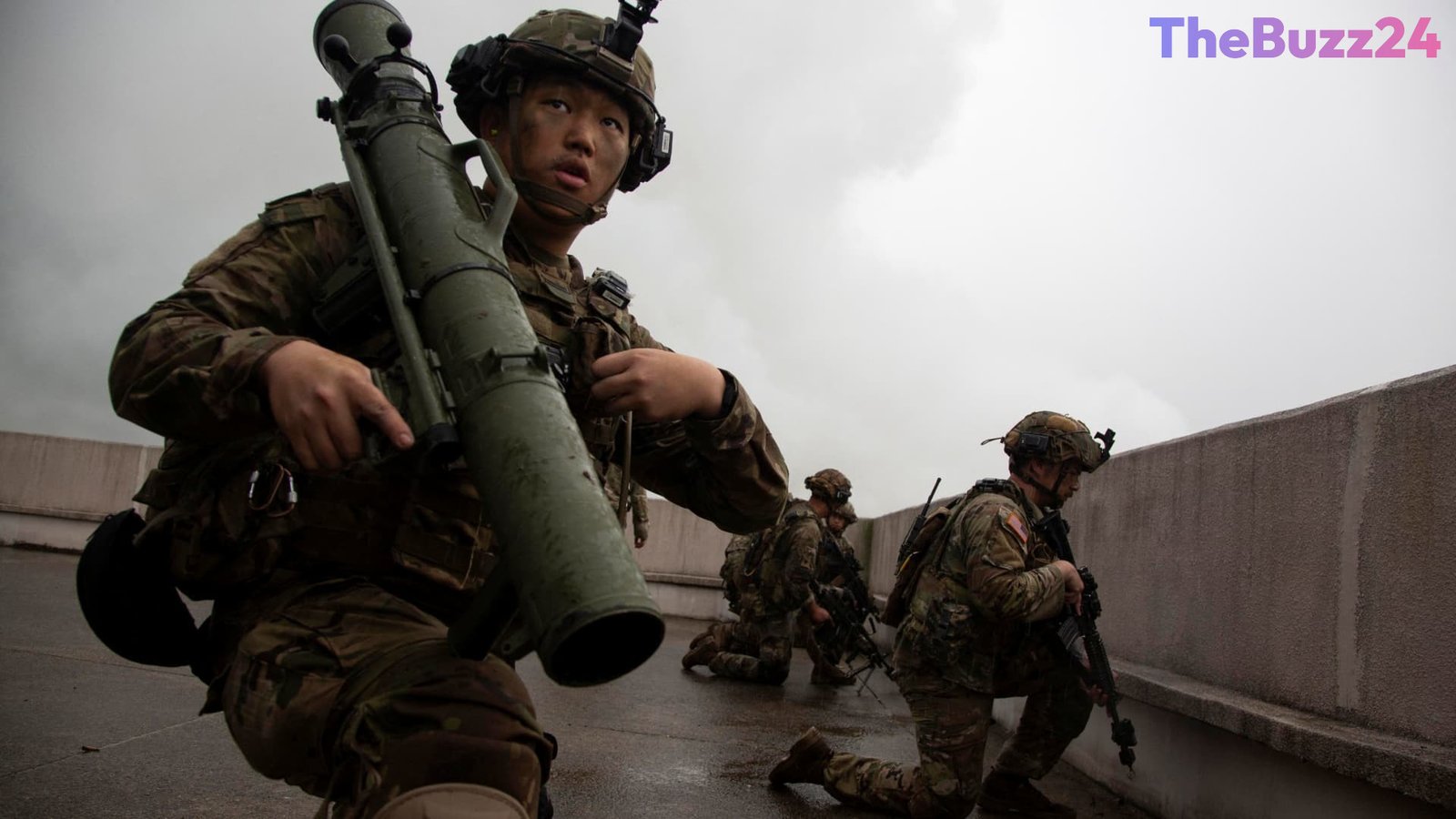
South Korea is intensifying its push to reclaim wartime operational control (OPCON) of its armed forces from the United States, seeking greater military autonomy and a more equal alliance structure. Dating back to the Korean War, the current framework places designated South Korean units under the command of a U.S. general during wartime through the Combined Forces Command. While Seoul regained peacetime operational control in 1994, wartime command has remained a subject of prolonged debate and delayed transitions over the decades.
The renewed urgency follows discussions between South Korean leadership and U.S. officials at the United Nations General Assembly, alongside recent modifications to joint military exercises that have heightened focus on combined defense readiness. Proponents within Seoul’s political landscape argue that a transition—where a South Korean general leads the combined forces with a U.S. counterpart serving as deputy—would reinforce national sovereignty and establish a more robust, balanced security architecture on the peninsula.
However, military analysts and defense experts remain divided on whether South Korea possesses the immediate capability to manage the transition smoothly. Critical gaps in high-altitude strategic intelligence, surveillance, reconnaissance, and theater missile defense systems pose notable challenges. While current political timelines aim for a conditions-based handover before the end of the decade, experts emphasize that operational readiness and capability milestones must take precedence over strict deadlines to ensure regional stability is not compromised.
Key Takeaways
- South Korea is actively pursuing the transfer of wartime operational control (OPCON) from the U.S. to achieve greater military autonomy.
- The historical arrangement, rooted in the Korean War, places South Korean units under a U.S.-led Combined Forces Command during times of war.
- Experts caution that critical gaps in intelligence, surveillance, and missile defense mean South Korea may not yet be fully ready for an immediate transfer.
Editor’s Analysis & Impact
The ongoing debate over wartime OPCON transfer highlights the delicate balance between national sovereignty and alliance interoperability in East Asia. As North Korea continues to advance its asymmetric nuclear and missile capabilities, any structural shift in the U.S.-South Korea combined defense posture carries significant strategic weight. While Seoul’s political leadership views the command transition as a natural evolution toward a sovereign and equal partnership, military pragmatists warn against rushing the process without addressing critical capability gaps in command and control systems. The success of this transition will ultimately depend on rigorous, conditions-based benchmarks rather than politically motivated timelines, ensuring that regional deterrence remains ironclad during and after the handover.
Frequently Asked Questions
Q: What is wartime OPCON?
A: Wartime operational control (OPCON) is the authority to organize, deploy, and direct assigned military forces during a war. In South Korea's case, this authority has historically been held by a U.S. four-star general heading the Combined Forces Command.
Q: Why does South Korea want to take back wartime OPCON?
A: Seoul aims to reclaim wartime OPCON to achieve greater military autonomy, symbolize full national sovereignty, and foster a more equal defense partnership with the United States.
Q: What are the main obstacles to the OPCON transfer?
A: Primary obstacles include potential short-term impacts on military readiness, alliance interoperability, and existing gaps in South Korea's high-altitude strategic intelligence, surveillance, reconnaissance, and theater missile defense capabilities.
AI Disclosure: This article is based on verified data and official reports. Our Team and AI have cross-referenced every financial detail with primary sources to ensure total accuracy.
More from this Category