Danish Intelligence Warns of Possible Russian Attacks on NATO Territory
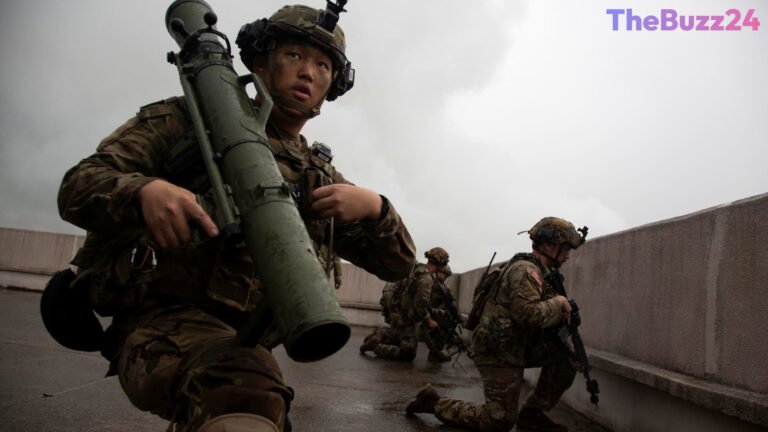
Security officials have raised alarms over an escalating threat landscape, indicating a low yet increasing possibility that Russia might initiate limited military strikes or covert operations within NATO nations in the near future. According to recent intelligence assessments, the Kremlin is demonstrating a heightened appetite for risk following years of sustained military engagement in Ukraine.
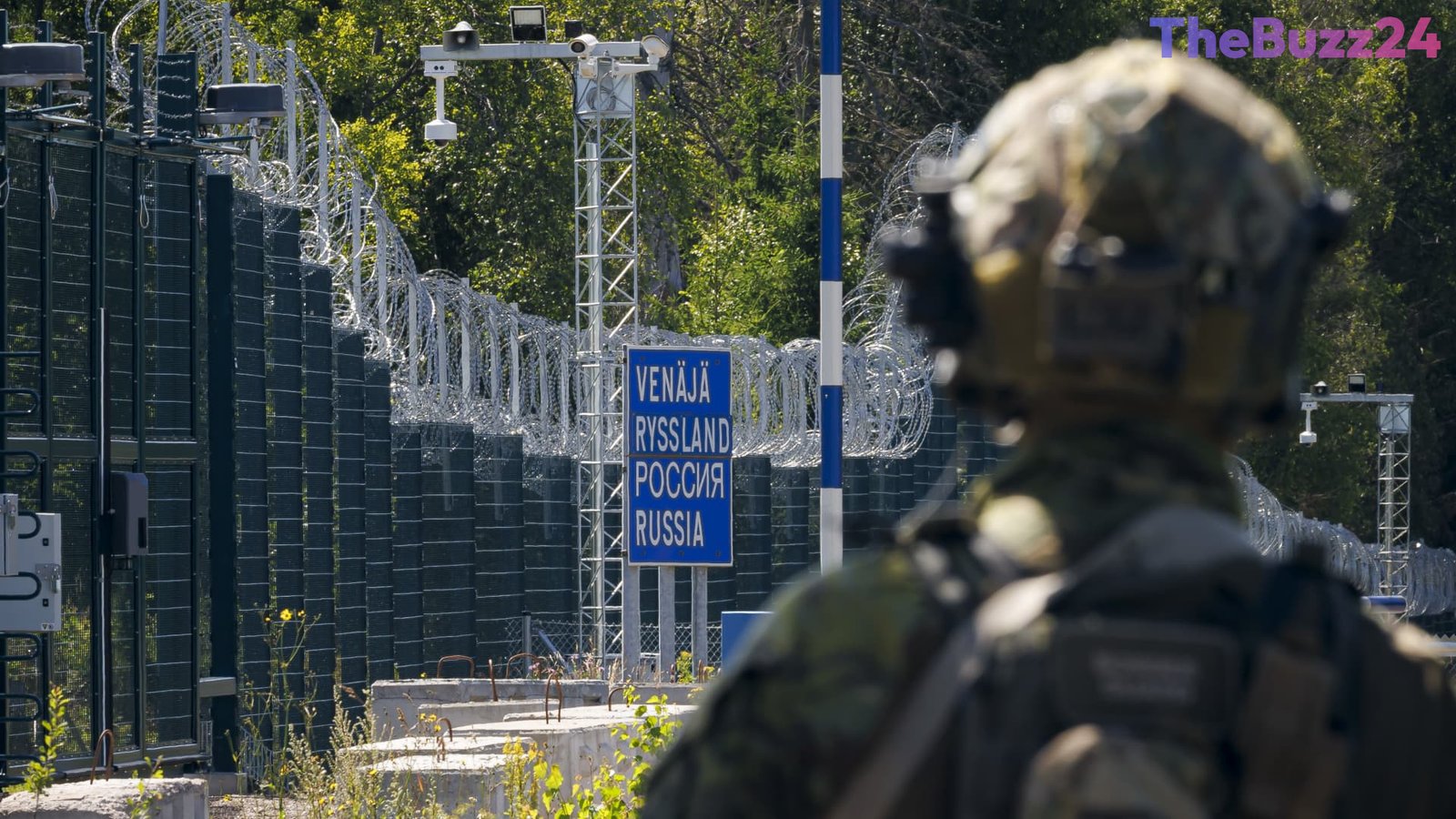
The Danish Defence Intelligence Service highlighted in a briefing that targeted actions could include precision long-range strikes against critical infrastructure used to supply Ukraine, or the covert deployment of unmarked troops near border regions. Analysts suggest that the primary strategic objective behind such maneuvers would be to fragment Western political consensus and divert crucial military resources away from the Ukrainian front lines.
Simultaneously, European authorities are grappling with an uptick in hybrid warfare tactics, encompassing severe cyber operations and physical sabotage targeting vital societal infrastructure. Recent incidents, such as a mysterious fire at a satellite internet ground station in Poland, are increasingly viewed through the lens of this evolving doctrine of disruption, though formal attributions and investigations remain ongoing.
Key Takeaways
- Danish intelligence warns of a low but growing risk of limited Russian military strikes within NATO territory in the coming months.
- The primary goal of such attacks would likely be to divert European resources from supporting Ukraine and sow division within the alliance.
- Intelligence officials also predict an escalation in hybrid warfare, including high-consequence cyberattacks and physical sabotage.
Editor’s Analysis & Impact
This intelligence assessment underscores a profound shift in European security dynamics. As the conflict in Ukraine persists, the threshold for direct confrontation between Russia and NATO is being continually tested through asymmetric and hybrid tactics. Rather than an outright full-scale conventional invasion of the alliance—which remains unlikely in the near term—Moscow appears to favor a strategy of friction, utilizing sabotage, cyber warfare, and limited provocations to strain Western resolve and infrastructure. For defense markets, policymakers, and critical infrastructure operators, this necessitates an immediate pivot toward hardened cybersecurity postures, enhanced border vigilance, and accelerated collective defense mechanisms to deter calculated gray-zone aggression before it escalates into open warfare.
Frequently Asked Questions
Q: What kind of attacks are intelligence agencies warning about?
A: Agencies are warning about limited military strikes using long-range weapons, the potential deployment of unmarked troops near borders, and intensified hybrid warfare such as major cyberattacks and sabotage.
Q: What is the suspected motive behind these potential attacks?
A: Experts believe the goal is to force European nations to divert resources away from supporting Ukraine and to create divisions among NATO members regarding their collective response.
Q: Is a full-scale Russian invasion of NATO expected?
A: Intelligence reports indicate there are currently no signs of an imminent, full-scale invasion of a NATO country, though limited and isolated strikes remain a distinct possibility.
AI Disclosure: This article is based on verified data and official reports. Our Team and AI have cross-referenced every financial detail with primary sources to ensure total accuracy.
More from this Category