Muju Earth Unveils Aeropod: A Seed-Like Solution to Soil Compaction
Soil compaction remains a significant hurdle for global agriculture, with some estimates suggesting it can diminish crop yields by as much as 60%. Traditional methods of mitigation, such as heavy tilling, are not only labor-intensive and costly but can also degrade long-term soil health. Seeking a more efficient alternative, the startup Muju Earth has introduced the Aeropod, a novel device designed to automate soil aeration without the need for complex robotics or heavy machinery.
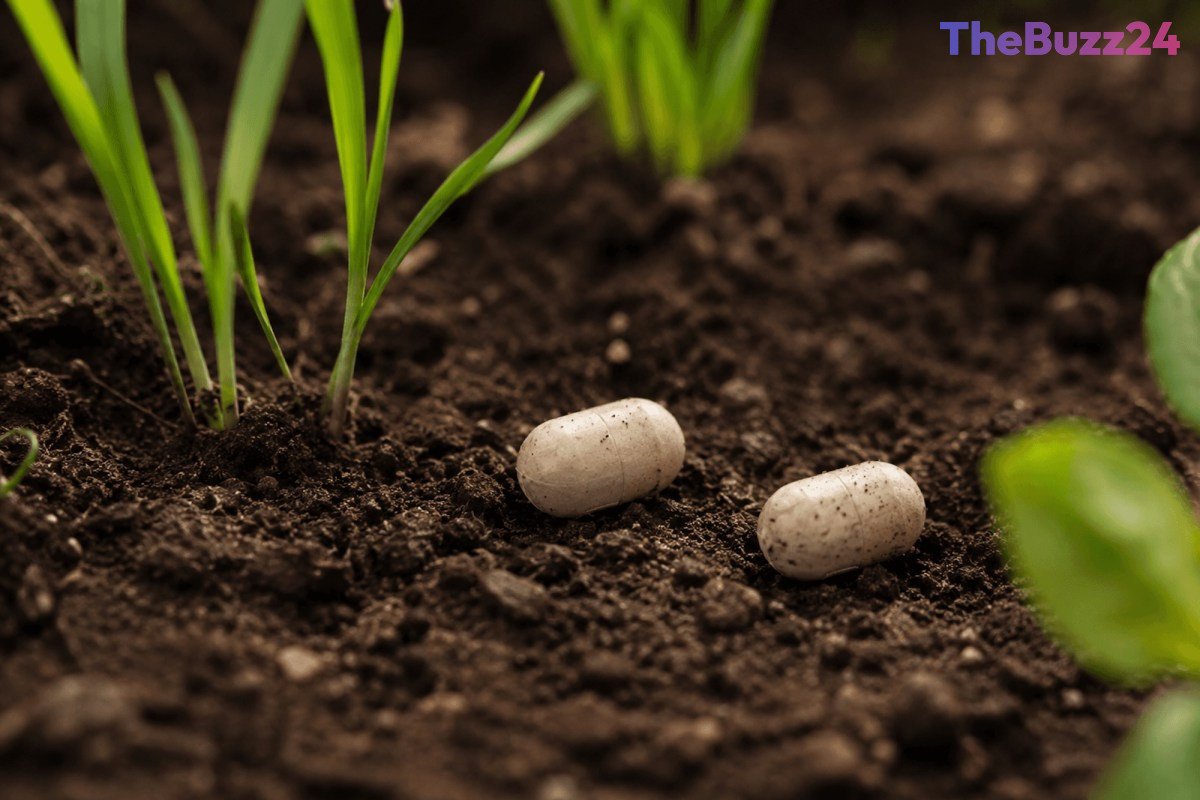
The Aeropod is engineered for simplicity, functioning much like a standard seed. Roughly the size of a fingernail, the device is designed to be planted alongside crops using existing agricultural equipment, eliminating the need for pre-planting tilling. Once buried, the device reacts to specific environmental triggers—namely temperature, pressure, and moisture—causing it to expand. This action creates small channels within the soil, facilitating improved airflow, water retention, and root penetration.
Co-founders Ifeoluwa Afolayan and Wangyang Hu developed the technology at Imperial College London with the goal of making soil health improvements as accessible as sowing a seed. Beyond the immediate benefits to crop growth, the Aeropod offers a compelling economic proposition. While traditional tilling can cost between £250 and £400 per hectare, the startup estimates that using Aeropods could reduce these expenses to approximately £100 per hectare.
Currently, Muju Earth is moving from laboratory testing to real-world application, with paid field trials underway in the United Kingdom. While the initial focus is on onion growers, who face particular challenges with soil compaction, the company is also exploring partnerships with firms that produce biologic soil amendments. As interest grows, the startup is positioning its technology as a scalable, intuitive tool for farmers looking to optimize both their yields and their operational costs.
Key Takeaways
- The Aeropod is a fingernail-sized device that automatically aerates soil when triggered by moisture and pressure, removing the need for mechanical tilling.
- By replacing traditional tilling, the technology aims to cut soil preparation costs by more than 50% while simultaneously improving soil health and crop yields.
- Muju Earth is currently conducting field trials in the U.K., focusing initially on onion crops that are highly sensitive to soil compaction.
Editor’s Analysis & Impact
The introduction of the Aeropod represents a shift toward ‘passive’ agricultural technology—solutions that integrate seamlessly into existing workflows rather than requiring farmers to adopt expensive, high-maintenance robotics. By focusing on the ‘seed-like’ delivery method, Muju Earth addresses the primary barrier to entry for new ag-tech: ease of use. If the field trials prove successful, this technology could disrupt the traditional tilling market, which is currently burdened by high fuel and labor costs. Furthermore, the potential for synergy with the biologic amendment industry suggests a broader market application. As global agriculture faces increasing pressure to improve sustainability and efficiency, low-cost, high-impact innovations like the Aeropod are likely to see rapid adoption, provided they can demonstrate consistent performance across diverse soil types and climates.
Frequently Asked Questions
Q: How does the Aeropod work?
A: The Aeropod is planted like a seed. Once in the ground, it reacts to moisture, temperature, and pressure to burst open, creating small channels in the soil that improve aeration and root growth.
Q: What are the primary benefits of using Aeropods?
A: The primary benefits include reduced labor and fuel costs associated with traditional tilling, improved soil health, and increased crop yields by mitigating soil compaction.
AI Disclosure: This article is based on verified data and official reports. Our Team and AI have cross-referenced every financial detail with primary sources to ensure total accuracy.
More from this Category