Taiwan Official: Arming the Island is Crucial for U.S. Interests, Especially Semiconductor Supply
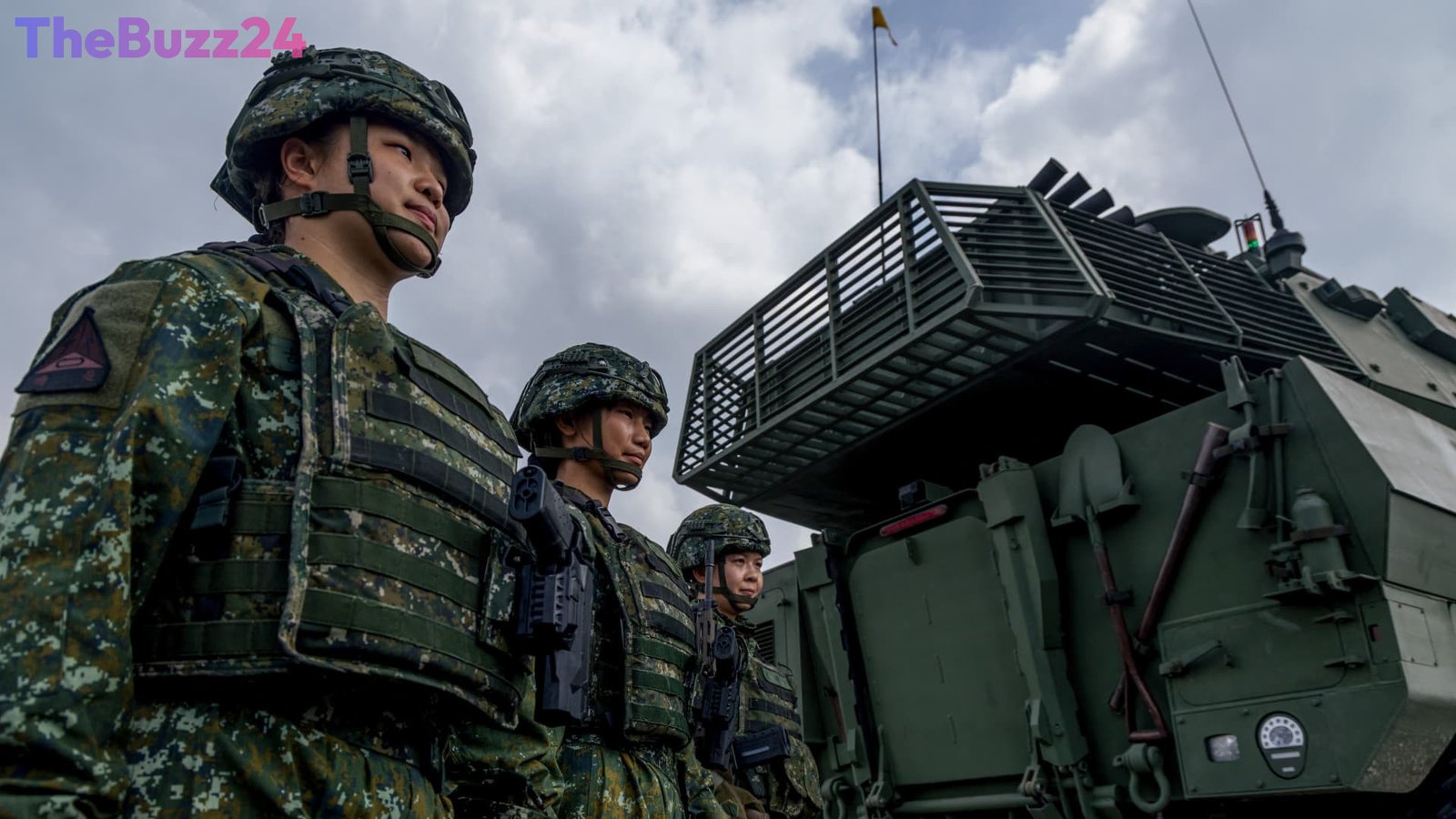
A senior Taiwanese diplomat has asserted that the United States’ continued provision of defensive weaponry to Taiwan is fundamentally aligned with American national interests. This stance, articulated following a recent summit between U.S. President Donald Trump and Chinese President Xi Jinping, emphasizes Taiwan’s dual role in global security and its indispensable contribution to the world’s semiconductor supply chain.
The diplomat, Deputy Foreign Minister Francois Wu, highlighted that enabling Taiwan to maintain its self-defense capabilities and prevent it from falling under Chinese rule serves vital U.S. objectives. Furthermore, Wu stressed that allowing Taiwan’s advanced semiconductor industry to flourish is equally critical, particularly given the island’s position as the primary producer of the sophisticated chips that power the ongoing artificial intelligence revolution.
The recent summit concluded without significant public agreements on several contentious issues, including Taiwan, which Beijing considers a renegade province. President Xi reportedly urged President Trump to uphold a “correct position” opposing Taiwan’s independence. In response, Wu questioned whether any concessions regarding Taiwan would genuinely benefit U.S. interests, suggesting that maintaining robust military sales and ensuring Taiwan’s defensive capacity are paramount.
While President Trump has previously placed arms sales packages to Taiwan on hold, his administration has historically approved substantial military deals, including an $11 billion package in December, with a subsequent deal potentially valued even higher. Taiwanese officials are closely monitoring future interactions between the U.S. and China, acknowledging the need for proactive communication and preparation to secure necessary defense assurances.
Key Takeaways
- A Taiwanese diplomat stated that arming Taiwan is a key U.S. national interest.
- Taiwan's role as a leading semiconductor producer, essential for AI, is cited as a reason for U.S. support.
- The official emphasized Taiwan's need for self-defense capabilities to avoid Chinese rule.
Editor’s Analysis & Impact
This statement underscores the complex geopolitical and economic interplay surrounding Taiwan. Beyond the immediate security concerns, Taiwan’s critical position in the global semiconductor supply chain, particularly for advanced AI chips, elevates its strategic importance for nations like the United States. Any disruption to this supply, potentially caused by increased Chinese pressure, could have significant global economic repercussions. The U.S. faces a delicate balancing act: maintaining its relationship with China while upholding its commitments to Taiwan and safeguarding vital technological infrastructure. The future trajectory of arms sales and diplomatic engagement will be closely watched as indicators of evolving U.S.-China relations and global tech stability.
Frequently Asked Questions
Q: What is Taiwan's significance in the global semiconductor market?
A: Taiwan is the world's leading producer of advanced semiconductors, the essential components powering everything from smartphones and computers to artificial intelligence and advanced military technology.
Q: What is China's stance on Taiwan?
A: China views Taiwan as a renegade province that must be reunified with the mainland, by force if necessary. Beijing opposes any actions or statements that suggest Taiwan is an independent nation.
Q: What is the U.S. policy towards Taiwan?
A: The U.S. acknowledges Beijing's "one China" policy but maintains unofficial relations with Taiwan and is committed by the Taiwan Relations Act to provide Taiwan with the means to defend itself. The U.S. does not officially recognize Taiwan as an independent country but opposes any unilateral changes to the status quo.
AI Disclosure: This article is based on verified data and official reports. Our Team and AI have cross-referenced every financial detail with primary sources to ensure total accuracy.
More from this Category