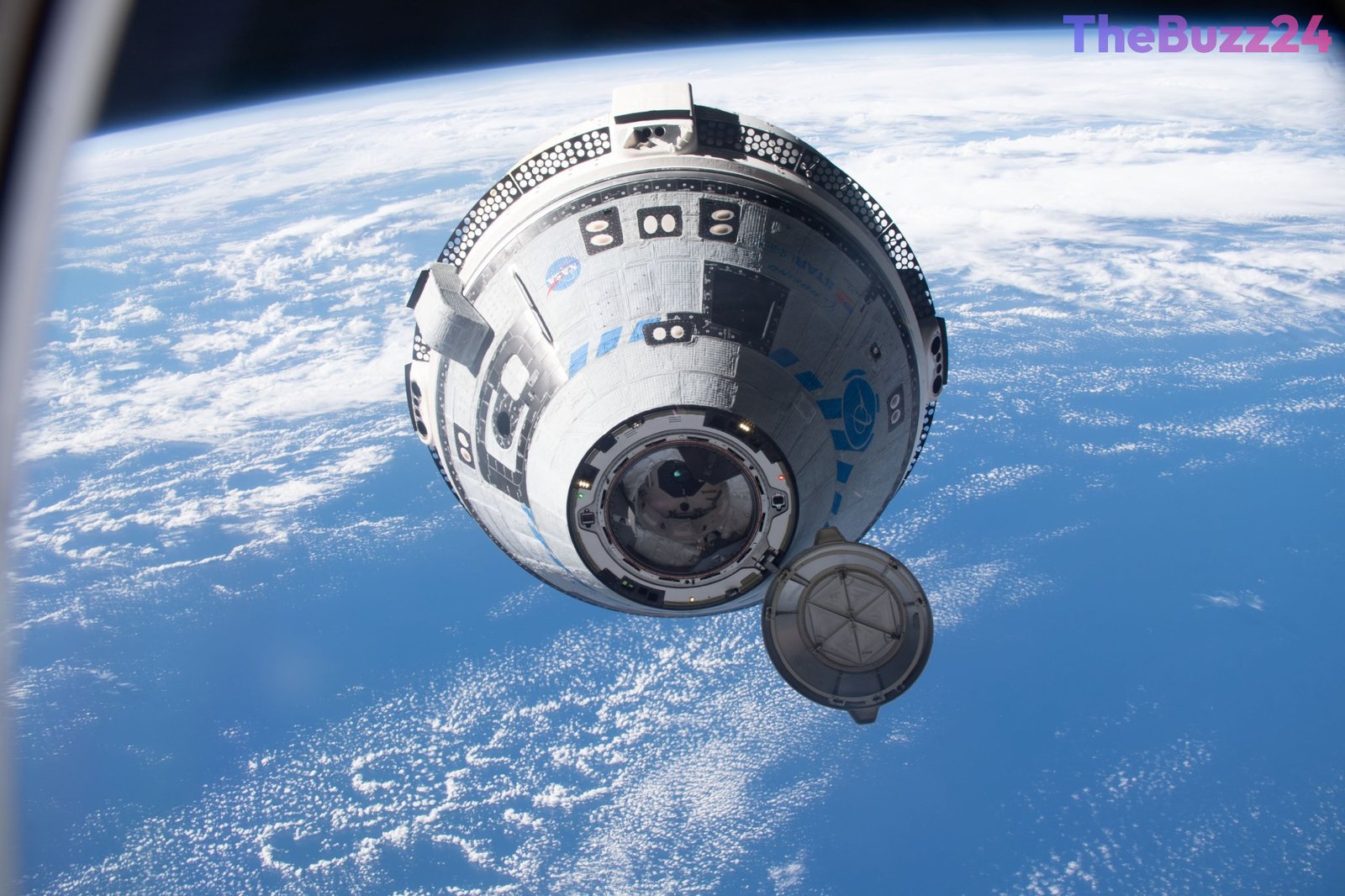
Starliner’s Next Chapter: NASA and Boeing to Outline Crew Flight Plans
Space agencies and aerospace giants are preparing to unveil crucial updates regarding the development and future operational plans for the Starliner spacecraft. Following its recent successful docking with the International Space Station (ISS), carrying astronauts Butch Wilmore and Suni Williams, the focus now shifts to establishing a routine schedule for crewed missions.
A joint news conference is scheduled for Monday, September 28, at 3 p.m. EDT, where leadership from both organizations will address the ongoing progress of the Starliner program. The discussions are expected to cover the spacecraft’s performance, any necessary adjustments, and the roadmap for integrating Starliner into the regular rotation of crew transport vehicles to and from the orbiting laboratory. This marks a significant step in expanding commercial capabilities for human spaceflight.
Key figures slated to participate in the briefing include NASA Administrator Jared Isaacman, Dana Weigel, manager of NASA’s Low Earth Orbit Program, and NASA astronaut Woody Hoburg. Representing Boeing, John Mulholland, vice president and program manager for Commercial Crew, will also provide insights into the Starliner’s trajectory.
The successful integration of Starliner into the ISS transport fleet is vital for ensuring continuous access to the station and supporting its scientific research and operational needs. This upcoming briefing will offer a comprehensive look at how Starliner will contribute to the future of human presence in low Earth orbit.
Key Takeaways
- NASA and Boeing will provide a significant update on the Starliner spacecraft's development and future plans.
- The briefing will detail the roadmap for regular crew flights to the International Space Station (ISS) following Starliner's recent successful docking.
- Key leaders from both NASA and Boeing will participate, outlining the spacecraft's role in commercial human spaceflight.
Editor’s Analysis & Impact
The upcoming briefing on Starliner’s future holds significant implications for the commercial spaceflight industry. A clear path to regular operations for Starliner would solidify Boeing’s position as a key player in human space transport, complementing SpaceX’s Crew Dragon. This diversification of crew transport options is crucial for NASA, enhancing redundancy and ensuring continuous access to the International Space Station. For the broader market, it signals growing maturity and competition, potentially driving innovation and cost efficiencies. The successful integration of Starliner could also pave the way for future commercial ventures in low Earth orbit, including private space stations and expanded research opportunities, further accelerating the burgeoning space economy.
Frequently Asked Questions
Q: What is the Starliner spacecraft?
A: Boeing's Starliner (CST-100 Starliner) is a reusable crew capsule designed to transport astronauts to and from the International Space Station (ISS) as part of NASA's Commercial Crew Program.
Q: Who are Butch Wilmore and Suni Williams?
A: They are NASA astronauts who recently flew aboard the Starliner spacecraft for its Crew Flight Test mission to the International Space Station, marking a critical milestone for the vehicle.
Q: Why is this update important?
A: This update is crucial because it will outline the future operational schedule and integration of Starliner into regular crew rotation missions, ensuring multiple independent ways to transport astronauts to the ISS and supporting the long-term viability of human presence in low Earth orbit.
AI Disclosure: This article is based on verified data and official reports. Our Team and AI have cross-referenced every financial detail with primary sources to ensure total accuracy.
More from this Category