Republic of Ireland Squad Grapples with Internal Turmoil Ahead of Contested Nations League Match Against Israel
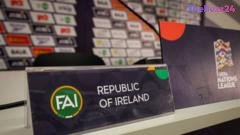
Preparations for the Republic of Ireland’s upcoming UEFA Nations League encounter against Israel were thrown into disarray following repeated postponements to the team’s official media appearances and training sessions in Debrecen, Hungary. Squad members were engaged in extended closed-door meetings at their team hotel, creating significant uncertainty over the fixture as external political pressure and ethical dilemmas mounted.
The scheduled clash has sparked intense debate in Ireland, with activist coalitions such as the ‘Stop The Game’ campaign, led by Irish Sport for Palestine, demanding that the national team boycott matches against Israel in protest of the ongoing military offensive in Gaza. Prominent Irish football figures, including former national team manager Brian Kerr and former winger James McClean, have openly voiced support for a withdrawal, even as other supporters advocate fulfilling the international fixture.
The internal discussions among the squad have reflected this deep unease. Following a recent 1-0 defeat to Kosovo, midfielder Jason Knight admitted he questioned whether the match should take place, while forward Chiedozie Ogbene appealed to the public to avoid placing the entirety of the moral burden solely on the athletes. During Saturday’s emergency meetings, unconfirmed reports circulated suggesting that certain squad members, including goalkeeper Gavin Bazunu, were actively evaluating their participation.
Despite the friction and initial delays from European football officials regarding scheduling details, Irish players eventually emerged from their meeting to proceed with a rescheduled media briefing and late afternoon training session. With the return leg slated for October in Serbia, manager Heimir Hallgrimsson and his team face the difficult challenge of navigating severe geopolitical scrutiny while attempting to maintain focus on the pitch.
Key Takeaways
- The Republic of Ireland's pre-match press conference and training session were delayed following extensive internal player discussions at the team hotel.
- Mounting domestic calls, supported by former team personnel and advocacy groups, have pushed for a boycott of matches against Israel due to the conflict in Gaza.
- Despite internal divisions and speculation over individual player withdrawals, the team moved forward with rescheduled preparations for the fixture in Hungary.
Editor’s Analysis & Impact
The turmoil surrounding the Republic of Ireland squad underscores the deepening tension between international sports governance and modern geopolitical realities. UEFA continues to enforce strict political neutrality guidelines, yet the escalating humanitarian crisis in Gaza has placed immense moral and social pressure directly on national associations and individual athletes. When players are forced to reconcile their sporting obligations with domestic public sentiment, institutional neutrality often appears untenable. If players begin unilaterally withdrawing or federations refuse fixtures, football authorities may face significant regulatory challenges regarding forfeitures, ranking penalties, and scheduling integrity. This dilemma highlights an era where international sports can no longer remain isolated from global conflicts.
Frequently Asked Questions
Q: Why are groups calling for a boycott of the Ireland vs. Israel match?
A: Advocacy campaigns and prominent football figures have urged a boycott in protest of Israel's military campaign in Gaza, citing widespread humanitarian concerns and civilian casualties.
Q: Where is the match between the Republic of Ireland and Israel being held?
A: The fixture is being played at a neutral venue in Debrecen, Hungary, with the reverse fixture scheduled to take place in Backa Topola, Serbia.
Q: Did the Irish team decide to withdraw from the fixture?
A: No. Despite extensive team deliberations and schedule delays for media duties and training, the squad moved forward with their preparations for the match.
AI Disclosure: This article is based on verified data and official reports. Our Team and AI have cross-referenced every financial detail with primary sources to ensure total accuracy.
More from this Category