Bangkok Declares State of Emergency as Severe Flooding Paralyzes Capital
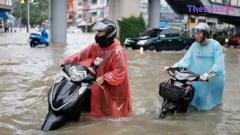
A state of emergency has been officially declared across all 50 districts of Bangkok following two days of relentless torrential rainfall. The extreme weather has overwhelmed the city’s drainage infrastructure, leaving major thoroughfares submerged and causing significant disruptions to daily life. Authorities have issued urgent advisories for residents to remain indoors, while those residing in proximity to the city’s extensive canal network are being urged to relocate essential belongings to higher ground.
While seasonal thunderstorms are a standard occurrence in Thailand, the current intensity has pushed the city’s flood management systems to their breaking point. Local reports indicate that water levels in some neighborhoods have reached waist-height, effectively trapping residents in their homes and forcing the closure of local businesses. Governor Chadchart Sittipunt confirmed that the eastern districts are currently facing the most severe impact, noting that the city’s canals are at maximum capacity, leaving little room for additional runoff.
Concerns are mounting as the Thai Meteorological Service forecasts continued heavy precipitation through the weekend. While the low-pressure system is expected to shift toward central Thailand, the immediate threat of further canal breaches remains high. Although no casualties have been reported thus far, the situation has drawn comparisons to the historic 2011 floods, prompting a massive mobilization of pumping equipment and emergency response teams to mitigate further damage.
Key Takeaways
- All 50 districts of Bangkok have been declared emergency zones following 48 hours of extreme rainfall.
- City infrastructure is currently overwhelmed, with canals at capacity and major roads impassable.
- Meteorologists warn of continued heavy rain, maintaining a high risk of further flooding throughout the weekend.
Editor’s Analysis & Impact
The current flooding in Bangkok highlights the persistent vulnerability of Southeast Asian megacities to extreme weather events exacerbated by climate change. Bangkok’s unique geography—built on low-lying marshland—makes it particularly susceptible to drainage failures during monsoon seasons. From an economic perspective, the paralysis of the capital threatens local supply chains and small business operations, which are already struggling with the immediate impact of the emergency. The government’s ability to manage this crisis will be a critical test of the city’s long-term urban planning and flood mitigation investments. Looking ahead, the frequency of such events necessitates a shift from reactive emergency management to more robust, climate-resilient infrastructure projects, as the cost of inaction continues to rise in terms of both economic output and public safety.
Frequently Asked Questions
Q: Are there any reported casualties from the Bangkok floods?
A: As of the latest reports, there have been no casualties recorded in Bangkok due to the current flooding event.
Q: Why is the flooding in Bangkok so severe this time?
A: The severity is attributed to an intense, sustained low-pressure system that has overwhelmed the city's drainage capacity and filled the canal network to its maximum limit.
AI Disclosure: This article is based on verified data and official reports. Our Team and AI have cross-referenced every financial detail with primary sources to ensure total accuracy.
More from this Category