Chinese Suppliers Eye Lucrative Role in Surging U.S. AI Data Center Construction
An unprecedented surge in artificial intelligence infrastructure spending across the United States is prompting Chinese manufacturers to pursue a substantial foothold in the American market. With hyper-scale tech conglomerates including Alphabet, Microsoft, Meta, and Amazon expected to deploy roughly $765 billion on data infrastructure this year alone—a sum financial leaders suggest could breach $1 trillion in the near future—the race to secure materials, power components, and structural capacity has intensified dramatically.
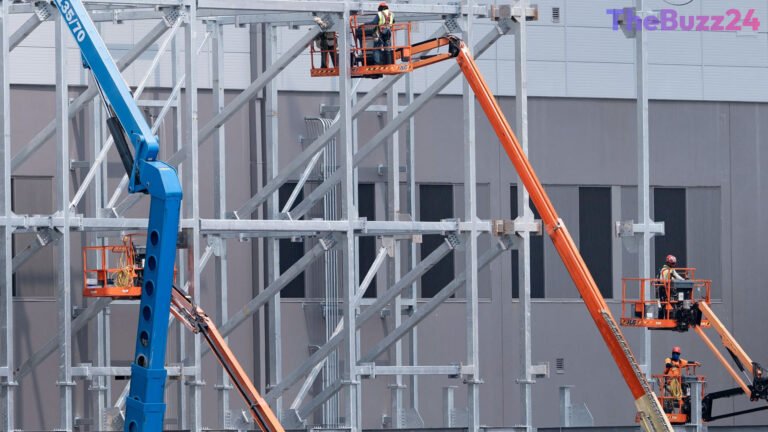
While the United States currently leads the world in computing capacity, hosting over 5,400 AI data centers compared to fewer than 500 in China, the rapid scale of development has strained domestic supply chains. U.S. builders routinely encounter prolonged lead times for electrical hardware and construction schedules that stretch between two to three years. In response, international logistics firms and Chinese builders, such as Singapore-based Brightray and its manufacturing partner PrefabDC, are pitching prefabricated data center modules assembled in China, claiming off-site construction can reduce project delivery timelines by half.
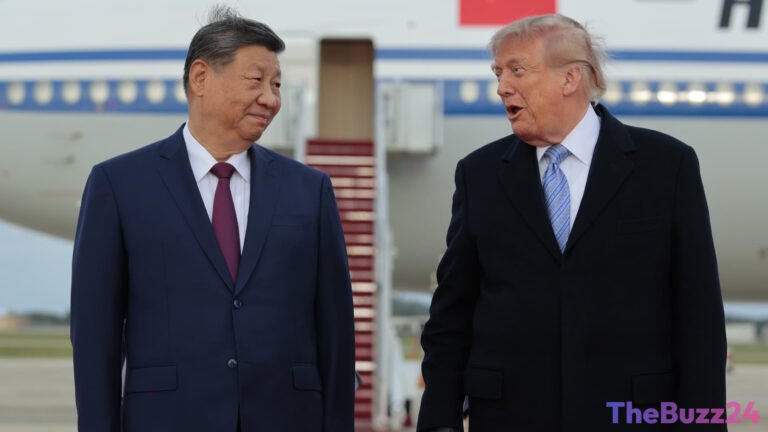
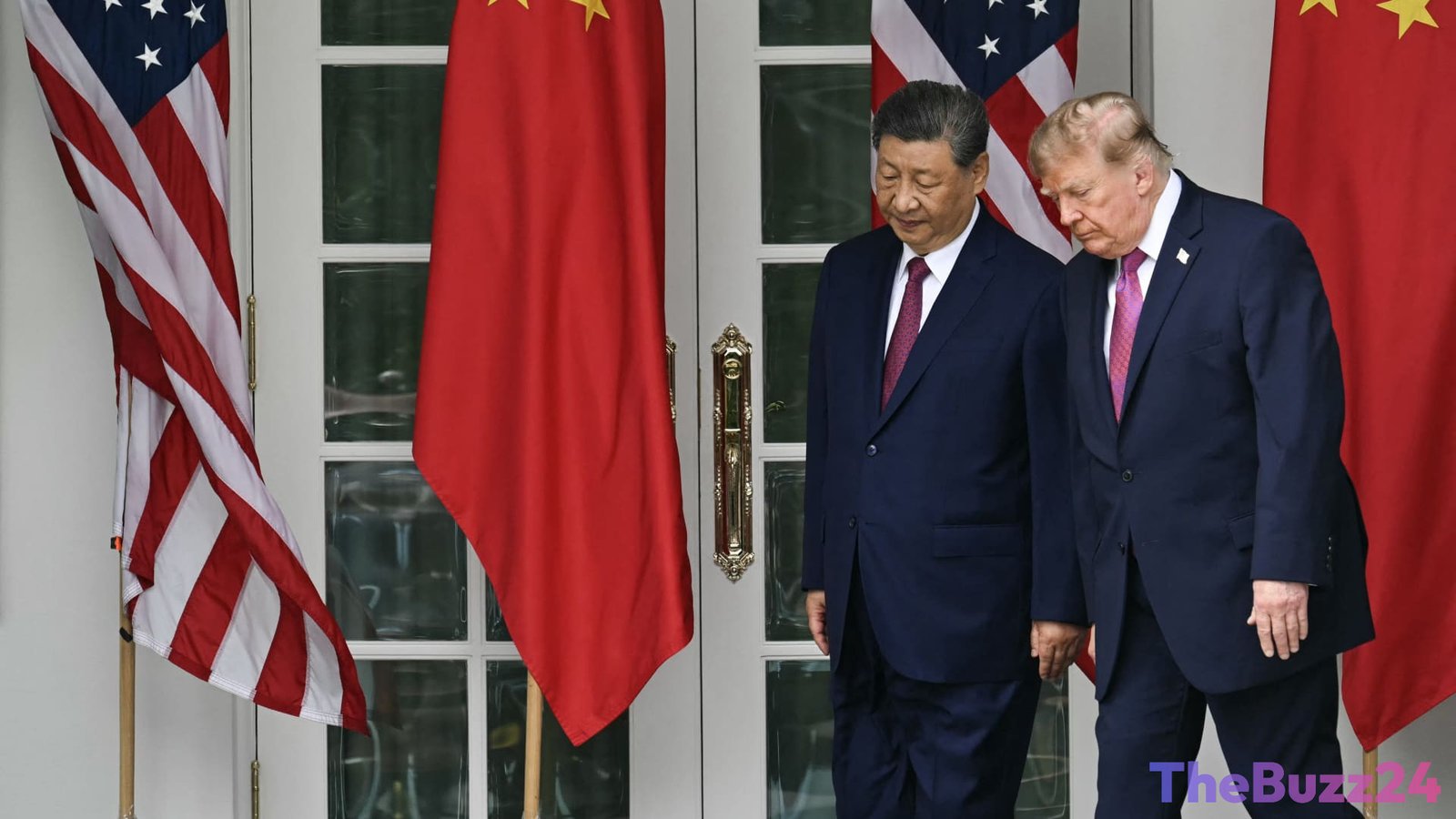
Despite the economic incentives, cross-border commercial efforts face a fraught geopolitical environment. AI policy featured prominently during recent diplomatic discussions between President Donald Trump and Chinese President Xi Jinping in Washington. Even as Chinese manufacturers already supply essential elements like transformers, battery storage, and fiber-optic cabling, American national security officials continue to express concern over foreign dependency on critical tech infrastructure. Washington is actively weighing regulatory restrictions, including potential import bans on specific overseas data center components and open-weight AI architectures.
This dynamic leaves developers caught between urgent operational needs and escalating regulatory barriers. While China’s domestic AI ecosystem generates comparatively modest software revenues—limiting Beijing’s immediate commercial buildout—its industrial manufacturing machine remains deeply intertwined with the hardware needed to power the next generation of Western artificial intelligence.
Key Takeaways
- U.S. tech giants are projected to spend over $765 billion on AI infrastructure this year, widening the data center gap over China.
- Critical shortages of domestic electrical components and lengthy multi-year construction cycles are driving interest in Chinese prefabricated hardware and rapid manufacturing.
- National security concerns and potential U.S. policy restrictions on foreign hardware threaten to disrupt cross-border supply chain reliance.
Editor’s Analysis & Impact
The pursuit of U.S. data center contracts by Chinese manufacturers highlights a widening paradox in global tech policy. While Washington aggressively pursues technological decoupling to mitigate cybersecurity vulnerabilities, the physical reality of the AI buildout exposes significant domestic manufacturing deficits. Data centers require massive quantities of specialized electrical hardware, grid transformers, and modular building components—areas where Chinese industrial capacity dominates global output. Unless Western economies can rapidly accelerate domestic manufacturing and shorten lead times, restricting Chinese hardware could significantly slow the deployment speed of critical AI infrastructure, creating friction between strategic national security objectives and corporate modernization timelines.
Frequently Asked Questions
Q: Why are Chinese companies interested in the U.S. AI infrastructure market?
A: Demand for commercial AI services and data center investment in China is significantly lower than in the U.S. With American companies investing hundreds of billions of dollars, Chinese manufacturers see a major commercial opportunity to export components and prefabricated structures.
Q: What advantages do prefabricated data centers offer?
A: Prefabricated data centers are built in controlled factory environments and shipped on-site for assembly, which can protect components from weather delays and reduce construction timelines from several years to under 18 months.
Q: What obstacles do Chinese firms face in the American market?
A: Heightened geopolitical friction, tariffs, and potential bans from U.S. regulators over cybersecurity and infrastructure dependency pose substantial hurdles for Chinese suppliers seeking long-term American contracts.
AI Disclosure: This article is based on verified data and official reports. Our Team and AI have cross-referenced every financial detail with primary sources to ensure total accuracy.
More from this Category