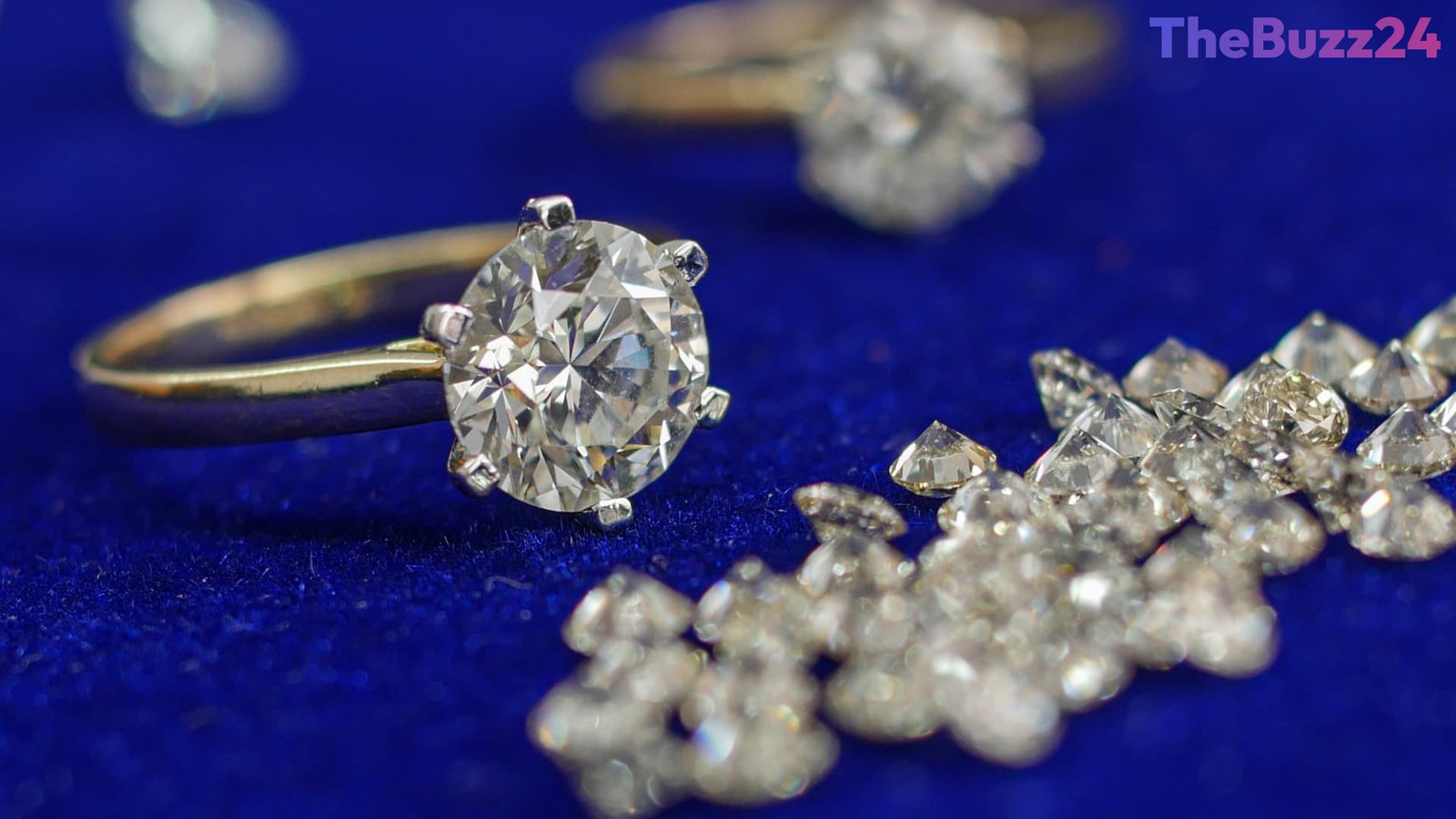
Diamond Market Under Pressure: Why Natural Stones Are Plunging While Lab-Grown Gems Boom
The global diamond market is undergoing a historic transformation, characterized by plummeting prices for natural stones and an unprecedented surge in popularity for lab-grown alternatives. Over the past five years, natural diamonds have shed more than half of their market value, driven by a combination of lingering oversupply from pandemic-era production peaks and shifting consumer preferences. Industry indices tracking investment-grade diamonds have plummeted to historic lows, forcing major mining corporations and wholesale distributors to reassess long-term operational strategies.
At the heart of this disruption is the rapid rise of lab-grown diamonds, which share the exact chemical, physical, and optical properties of mined gems but retail at a fraction of the cost. Because artificial diamonds can be produced efficiently in controlled environments using advanced technological processes, retailers are able to offer larger, higher-quality stones at significantly lower price points. This dramatic price differential has resonated strongly with modern consumers—particularly younger demographics prioritizing budget flexibility for major life milestones like weddings and home purchases—pushing market adoption rates to unprecedented highs.
In response to the mounting pressure, traditional players in the natural diamond sector are beginning to implement aggressive supply-reduction strategies. Major industry producers have announced temporary halts and permanent shutdowns at several flagship mines worldwide in an effort to stabilize wholesale prices and curtail the existing inventory glut. Meanwhile, major jewelry retailers and publicly traded brands are increasingly pivoting their inventory lines to incorporate lab-grown gems, leveraging higher profit margins and robust consumer demand to drive financial growth and boost corporate valuations.
Despite the ongoing evolution in consumer retail, financial experts and gemstone specialists consistently caution against viewing diamonds—whether natural or synthetic—as viable traditional financial investments. Unlike precious metals or equities, the diamond sector lacks a standardized, liquid spot market capable of ensuring consistent secondary resale values. Consequently, industry stakeholders advise consumers to approach jewelry purchases primarily for aesthetic and personal enjoyment rather than long-term asset accumulation.
Key Takeaways
- Natural diamond prices have fallen by more than 50% over the last five years due to oversupply and competition.
- Lab-grown diamonds now dominate a massive share of engagement and fashion jewelry sales, driven by affordability.
- Major mining companies are halting production and shutting down mines to artificially limit supply and stabilize pricing.
Editor’s Analysis & Impact
The structural shift within the diamond industry highlights a broader economic reality where technological innovation directly disrupts legacy commodity markets. The rapid commoditization of lab-grown diamonds has democratized luxury, allowing consumers to bypass the inflated costs associated with resource-intensive mining. For the retail sector, this transition has proven highly profitable, yielding superior gross margins for major jewelry corporations that embrace synthetic inventory. Looking forward, the natural diamond industry will likely become an ultra-exclusive niche market, heavily reliant on artificial scarcity and luxury branding to maintain value. Meanwhile, investors looking for exposure to the diamond boom are increasingly steered toward equities of diversified jewelry retailers rather than physical stones, given the historical liquidity challenges and lack of standardized secondary markets for raw gemstones.
Frequently Asked Questions
Q: Are lab-grown diamonds real diamonds?
A: Yes, lab-grown diamonds are chemically, physically, and optically identical to natural diamonds formed beneath the Earth's surface.
Q: Why are natural diamond prices falling?
A: Natural diamond prices have dropped due to a combination of excess inventory from pandemic-era overproduction and intense competition from much cheaper lab-grown alternatives.
Q: Are diamonds a good financial investment?
A: Industry experts advise against viewing diamonds as financial investments because the market lacks liquidity and a standardized spot pricing system, meaning resale values are often significantly lower than original retail prices.
AI Disclosure: This article is based on verified data and official reports. Our Team and AI have cross-referenced every financial detail with primary sources to ensure total accuracy.
More from this Category