U.S. and China Forge $30 Billion Tariff Cut and AI Dialogue Amidst High-Level Summit
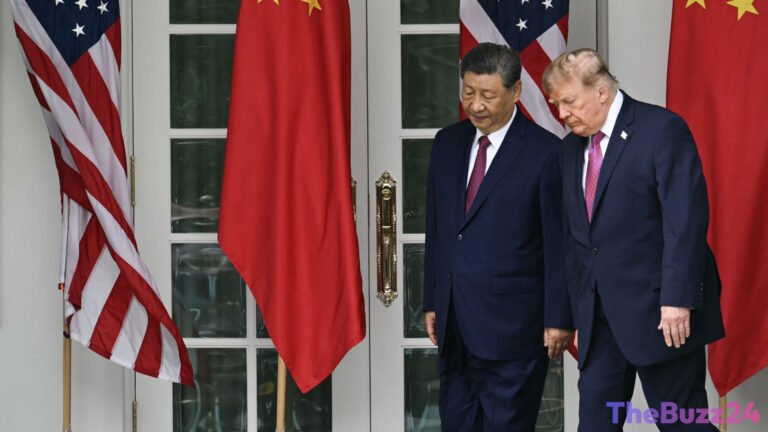
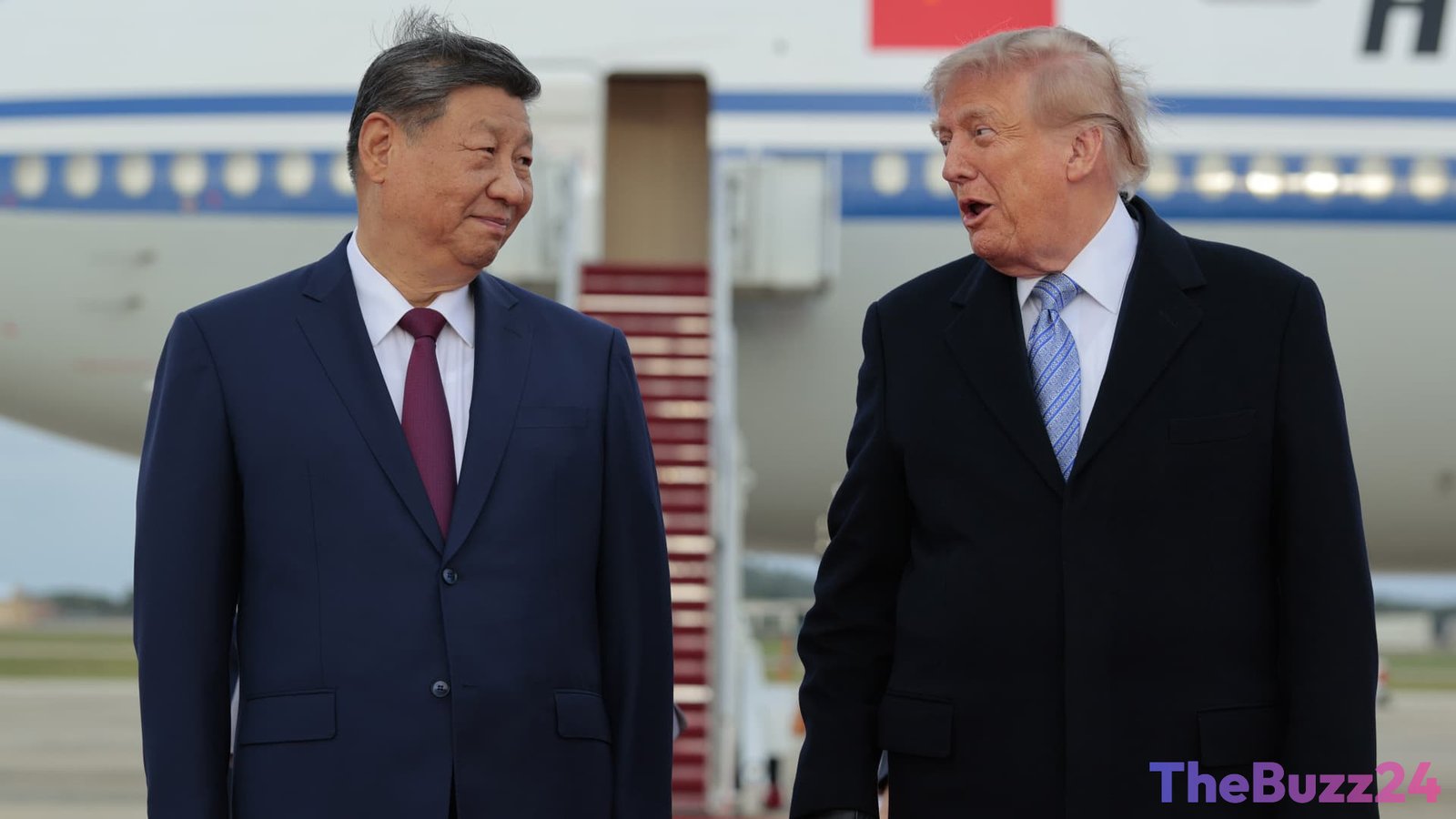
The United States and China have reached a significant eight-point consensus, including a $30 billion reciprocal tariff-reduction agreement and the initiation of a crucial dialogue on artificial intelligence. These agreements emerged from President Xi Jinping’s recent visit to Washington, marking a period of intensified diplomatic engagement between the world’s two largest economies.
Beyond the immediate economic measures, both nations committed to establishing a dedicated trade council and extending the positive outcomes from previous discussions held in Kuala Lumpur. This progress follows a recent decision to prolong a trade truce by two months, a move that U.S. Treasury Secretary Scott Bessent indicated was designed to create more space for negotiating a broader trade accord. The three-day summit between President Xi and President Donald Trump, which concluded recently, underscored a focus on personal diplomacy rather than immediate public breakthroughs.
A key aspect of the new consensus involves a structured dialogue on artificial intelligence. Both sides have agreed to discuss the technology’s inherent risks and benefits, with the next round of talks scheduled for November. Furthermore, a dedicated communication channel will be established to address AI-related incidents. On the international stage, the leaders pledged mutual support for hosting upcoming Asia-Pacific Economic Cooperation (APEC) and Group of 20 (G20) summits, with both presidents planning to attend the gatherings hosted by the other.
In matters of foreign policy, the two nations affirmed a shared stance that Iran must adhere to its commitments regarding the non-development of nuclear weapons. They also agreed that no country or entity should impose transit tolls on international waterways, reinforcing principles of free navigation.
Key Takeaways
- The U.S. and China agreed to a $30 billion reciprocal tariff reduction and launched an AI dialogue.
- A new trade council will be established, building on an extended trade truce to facilitate a larger trade deal.
- The nations also committed to cooperation on international summits (APEC, G20) and shared foreign policy stances on Iran and international waterways.
Editor’s Analysis & Impact
This agreement between the U.S. and China signals a potential de-escalation in trade tensions and a recognition of the critical importance of AI governance. The $30 billion tariff cut, while significant, might be a precursor to a more comprehensive trade deal, suggesting a pragmatic approach to economic relations. The establishment of an AI dialogue is particularly noteworthy, indicating a shared understanding of the technology’s global impact and the need for international cooperation on its risks and benefits. This could set a precedent for future tech diplomacy. For industries, reduced tariffs could ease supply chain pressures, while the AI dialogue could influence regulatory frameworks, impacting tech companies globally. The broader implications point towards a more structured, albeit still complex, relationship between the two economic giants, moving beyond pure confrontation towards areas of mutual interest and necessary collaboration.
Frequently Asked Questions
Q: What are the main outcomes of the recent U.S.-China summit?
A: The summit resulted in an eight-point consensus, including a $30 billion reciprocal tariff-reduction agreement and the initiation of a dialogue on artificial intelligence.
Q: What is the significance of the AI dialogue?
A: The AI dialogue aims to discuss the technology's risks and benefits, with future talks scheduled and a communication channel established for AI-related incidents, highlighting a joint effort to manage the global impact of AI.
Q: How does this agreement relate to previous trade tensions?
A: This agreement follows a two-month extension of a trade truce and aims to create more time for negotiating a potentially larger trade deal, suggesting a move towards de-escalation and more structured economic engagement.
AI Disclosure: This article is based on verified data and official reports. Our Team and AI have cross-referenced every financial detail with primary sources to ensure total accuracy.
More from this Category