Iran Warns of ‘Doomsday’ Conflict as Tensions Mount and U.S. Rejects Terms
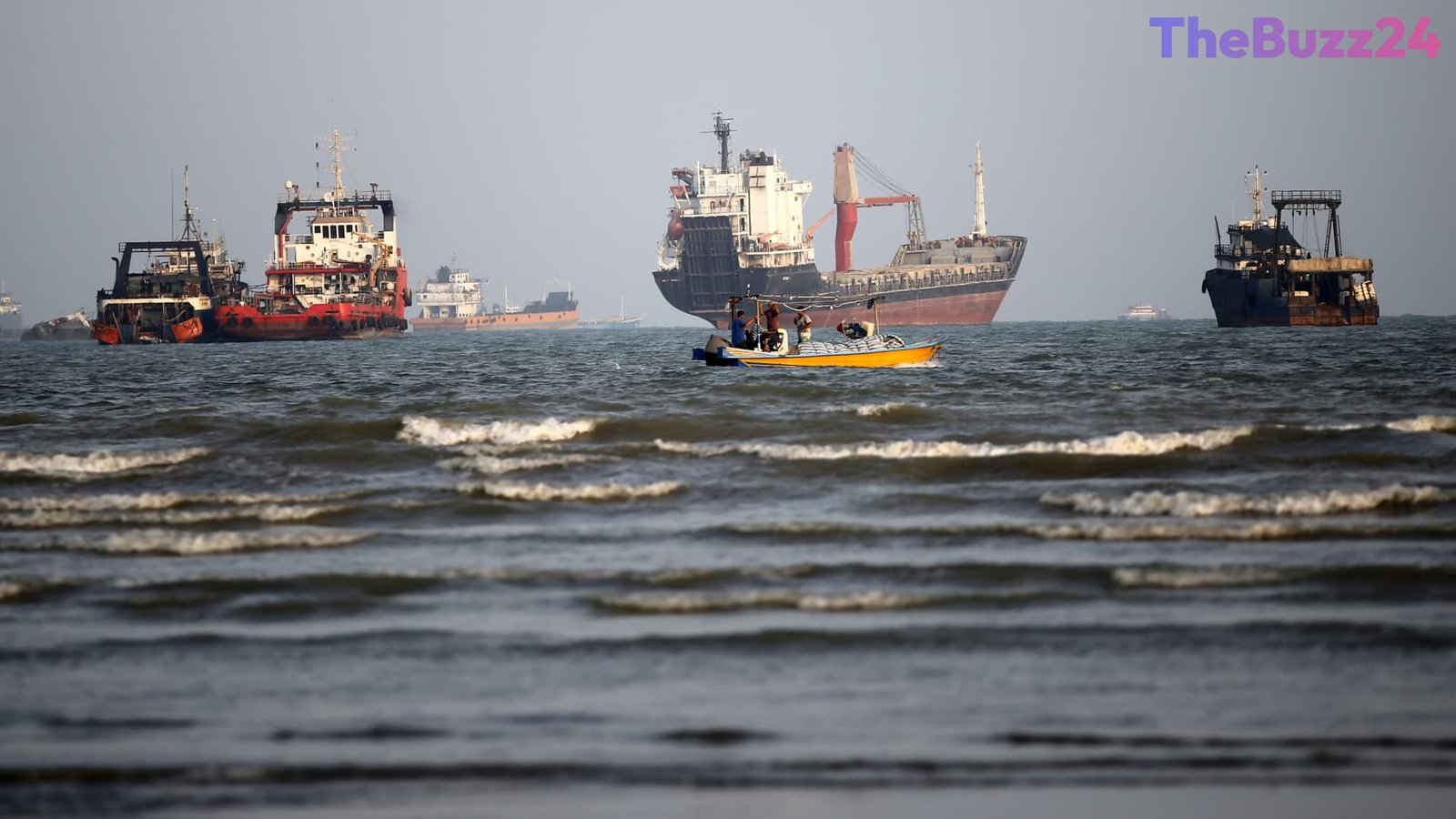
Iranian leadership has stated that the nation is fully prepared for an extreme military escalation with the United States, even as diplomatic channels remain precariously open. During recent high-level discussions, Tehran emphasized its commitment to pursuing peace talks while simultaneously maintaining a posture of fierce resistance against ongoing hostilities. This delicate diplomatic balance comes amid prolonged disruptions in the Strait of Hormuz, a critical global energy chokepoint that has heavily impacted international oil markets and exacerbated inflationary pressures worldwide.
The diplomatic impasse deepened after Washington dismissed Tehran’s latest proposal aimed at reopening the strategic waterway and resuming nuclear negotiations. American officials characterized the terms as unacceptable, signaling that military options remain firmly under consideration following the upcoming midterm elections. In response, Iranian officials reiterated that any movement toward unblocking the crucial transit route depends entirely on the fulfillment of their core demands, which include the cessation of economic sanctions and military aggression.
Adding to the maritime friction, military authorities in Tehran announced the seizure of an advanced American unmanned underwater vehicle operating within the disputed zone. The captured autonomous drone has reportedly been transferred to specialized defense personnel for technical analysis. As both sides trade warnings and military maneuvers continue to strain regional stability, international observers remain deeply concerned over the persistent volatility in the Middle East and its ongoing repercussions for global energy supplies.
Key Takeaways
- Iranian Foreign Minister Abbas Araghchi stated readiness for a severe military conflict while still pursuing diplomatic avenues.
- Washington rejected Tehran's recent proposal regarding the Strait of Hormuz, leaving military options open for future action.
- The Iranian Revolutionary Guard Corps claimed responsibility for capturing an American unmanned underwater vehicle in the region.
Editor’s Analysis & Impact
The ongoing standoff between Washington and Tehran continues to exert immense pressure on global energy infrastructure and macroeconomic stability. The sustained disruption of the Strait of Hormuz has structurally altered crude oil pricing, keeping volatility elevated and driving broader inflationary concerns across Western economies. While diplomatic backchannels are occasionally utilized to temper extreme spikes in commodity prices, the underlying geopolitical friction suggests that a lasting resolution remains distant. Markets must price in a prolonged period of maritime insecurity in the Persian Gulf, forcing energy traders and logistics firms to continuously adapt to elevated geopolitical risk premiums.
Frequently Asked Questions
Q: Why is the Strait of Hormuz strategically important?
A: The Strait of Hormuz is a vital global chokepoint for the transit of petroleum and liquefied natural gas from the Persian Gulf, making any disruption there a primary driver of global energy price volatility.
Q: What are Iran's primary conditions for reopening the shipping lane?
A: Tehran's conditions include the halt of hostile military actions, the removal of economic blockades, and the release of frozen Iranian assets.
Q: What military hardware was recently claimed to be captured?
A: The Iranian Revolutionary Guard Corps claimed to have seized an American Remus 600 unmanned underwater vehicle.
AI Disclosure: This article is based on verified data and official reports. Our Team and AI have cross-referenced every financial detail with primary sources to ensure total accuracy.
More from this Category