US and China Agree to Slash Tariffs on Billions in Goods
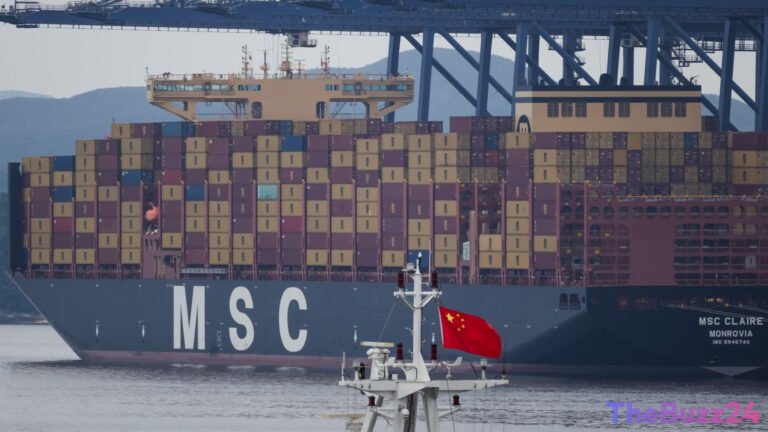
The United States and China have announced plans to significantly reduce tariffs on a substantial volume of goods, with each nation set to lower duties on approximately $30 billion worth of imports from the other. This move aims to ease trade tensions and potentially stimulate economic activity between the two global powers.
The specific lists of goods targeted for tariff reduction reveal distinct priorities for each country. The U.S. plans to reduce tariffs primarily on consumer goods such as toys, sporting equipment, and holiday decorations imported from China. Conversely, China’s list, which is considerably longer, focuses heavily on American agricultural products, including various meats, dairy, and produce, as well as breeding livestock.
This tariff adjustment comes as the U.S. continues to address its significant trade deficit with China, which exceeded $202 billion last year. Experts suggest that if these tariff cuts are implemented promptly, particularly before the upcoming holiday shopping season, they could provide a much-needed boost to U.S. consumer spending and retailers. For Chinese companies, particularly those in competitive sectors like home goods and personal care, the reduction in U.S. tariffs could enhance their price competitiveness and improve profit margins in the American market.
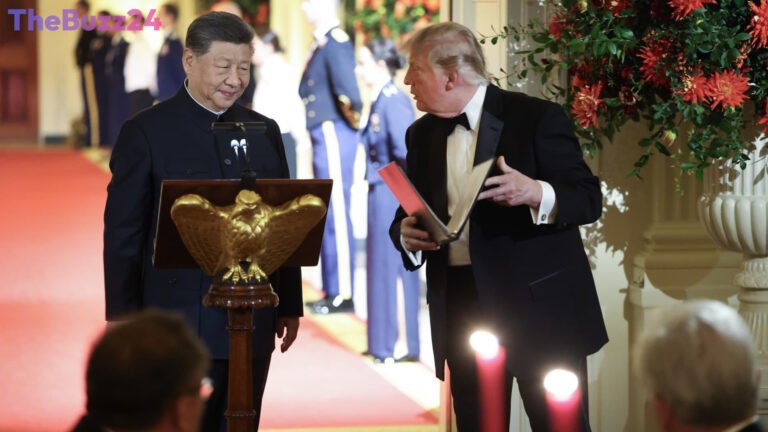
While the announcement signals a positive step towards de-escalation, the exact timing and extent of the tariff reductions remain unclear. Both nations had previously imposed substantial import tariffs, with rates often exceeding 40% for U.S. duties and over 30% for Chinese duties. A recent one-year truce, extended to January, had previously limited further tariff increases. This latest agreement follows a high-profile summit between U.S. President Donald Trump and Chinese President Xi Jinping, which also established a new “Board of Trade” comprising officials from both governments to meet regularly.
Key Takeaways
- The U.S. and China will reduce tariffs on $30 billion worth of goods each, impacting consumer products and agricultural items.
- The tariff cuts aim to address the U.S. trade deficit and could boost consumer spending and retailer margins.
- The agreement follows recent high-level discussions and a previous truce on further tariff increases.
Editor’s Analysis & Impact
This tariff reduction agreement between the U.S. and China represents a significant, albeit potentially temporary, easing of trade friction. By targeting consumer goods and agricultural products, both nations are attempting to balance domestic economic interests with the broader goal of stabilizing bilateral trade relations. The impact on specific industries could be substantial, offering relief to retailers and potentially boosting sales for American farmers. However, the market will be closely watching the implementation details and the long-term commitment to de-escalation, as past trade disputes have shown the fragility of such agreements. The broader implication is a potential shift towards a more managed trade environment, rather than a complete rollback of protectionist measures.
Frequently Asked Questions
Q: What types of goods will see reduced tariffs?
A: The U.S. will reduce tariffs on Chinese goods such as toys, sporting equipment, and holiday decorations. China will reduce tariffs on U.S. goods including various agricultural products like meats, dairy, produce, and breeding livestock.
Q: When will these tariff reductions take effect?
A: The exact timing for the implementation of these lower tariffs has not yet been made immediately clear.
Q: What is the significance of this agreement?
A: This agreement signifies a de-escalation of trade tensions between the U.S. and China, potentially boosting consumer spending and benefiting specific industries by reducing import costs.
AI Disclosure: This article is based on verified data and official reports. Our Team and AI have cross-referenced every financial detail with primary sources to ensure total accuracy.
More from this Category