US Weighs Diesel Export Ban Amid Global Supply Crisis and Election Pressure
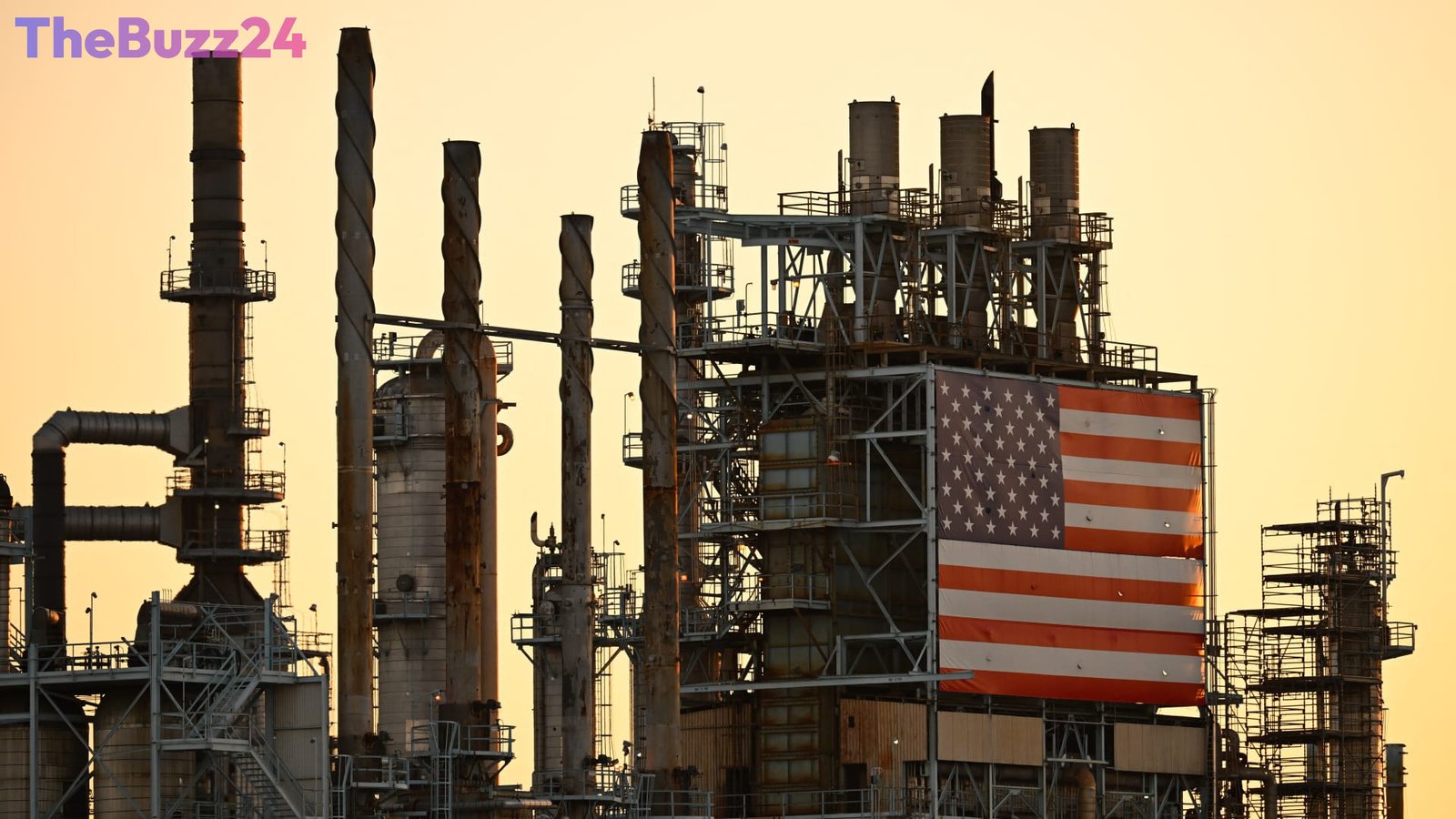
The White House is reportedly giving serious consideration to imposing a ban on diesel exports as the United States grapples with soaring domestic fuel prices. This potential move comes as the nation heads into the crucial November midterm elections, with political pressure mounting on the administration to address the rising cost of fuel for consumers and businesses.
While the specifics of any potential restrictions remain unclear, with some reports suggesting a temporary 90-day ban, the mere consideration of such a policy has sent ripples through the energy industry. Analysts and industry groups have cautioned that an export ban, while potentially lowering U.S. diesel prices in the short term, could have significant unintended consequences. These include the possibility of driving up global diesel prices and creating a feedback loop that could also increase U.S. gasoline prices as refineries adjust their operations.
The global diesel market is already under strain due to geopolitical tensions, including the ongoing conflict between Russia and Ukraine, which has disrupted vital trade routes. Europe, in particular, is seen as vulnerable to a U.S. export ban, as it relies heavily on American diesel imports to compensate for reduced flows from Russia and the Middle East. The U.S. has become a critical marginal supplier in the international market, making any restriction on its exports a significant factor in global supply dynamics.
Industry bodies, such as the American Petroleum Institute, have voiced strong opposition to the idea, arguing that restricting exports would exacerbate existing refining challenges and ultimately harm consumers. They advocate for solutions that increase supply and flexibility rather than imposing new restrictions. The uncertainty surrounding the U.S. administration’s decision adds another layer of volatility to an already complex and unpredictable global energy market.
Key Takeaways
- The U.S. White House is seriously considering a ban on diesel exports amid rising domestic fuel prices and upcoming midterm elections.
- Analysts warn that a U.S. export ban could backfire, potentially increasing global diesel prices and even U.S. gasoline prices.
- Europe is particularly exposed to a U.S. ban due to existing disruptions in Russian and Middle Eastern fuel flows.
Editor’s Analysis & Impact
The potential U.S. diesel export ban highlights the delicate balancing act governments face between domestic political pressures and global market stability. While a ban might offer short-term relief to American consumers, its ripple effects could destabilize international energy markets, particularly in Europe, which is already navigating supply disruptions. This situation underscores the interconnectedness of global energy systems and the significant impact U.S. policy decisions can have worldwide. The administration’s final decision will likely weigh the immediate electoral benefits against the broader economic and geopolitical ramifications, with significant implications for energy prices and international relations.
Frequently Asked Questions
Q: Why is the U.S. considering a diesel export ban?
A: The U.S. is considering a diesel export ban primarily due to soaring domestic diesel prices, which are putting financial pressure on consumers and businesses ahead of the November midterm elections. The administration is facing political pressure to lower fuel costs.
Q: What are the potential consequences of a U.S. diesel export ban?
A: Analysts warn that a ban could lead to higher global diesel prices and potentially increase U.S. gasoline prices as refineries adjust their operations. It could also negatively impact countries heavily reliant on U.S. diesel imports, such as those in Europe.
Q: What is causing the current global diesel supply crunch?
A: The global diesel supply crunch is attributed to several factors, including geopolitical tensions like the conflict between Russia and Ukraine, which have disrupted oil and fuel trade routes, and reduced flows from the Middle East. The U.S. has become a crucial marginal supplier in this tight market.
AI Disclosure: This article is based on verified data and official reports. Our Team and AI have cross-referenced every financial detail with primary sources to ensure total accuracy.
More from this Category